9 days in Japan- 6/23-7/1/2024
| Day
1-Niigata Arrival In Niigata Dinner at Echigo Banya |
Day
2-Niigata Fish Market Downtown/Lunch Dinner at Sushi Arai |
Day
3-Niigata Hakusan Shrine Sake Brewery Tour Lunch/Dinner |
Day
4-Niigata Northern museum Farm Land |
Day
5-Niigata Fukushimagata Walking around Dinner at Ebisudai |
Day
6-Tokyo Dinner at Jomon |
Day
7-Tokyo Arakawa Arakawa Cont. Ginza Dinner at les Copains |
Day
8-Tokyo Yoyogi Park Uneno Park Dinner at Uoshin Golden Gai |
Day
9-Tokyo Metropolitan office |
Day 2-Downtown Niigata/Lunch-6/23/2024
After the market, we headed toward downtown Niigata for lunch
The scenery slowly shifted again as we left the harbor behind. Wide roads stretched ahead, lined with rows of buildings, offices, small shops, apartment blocks, and quiet cafés tucked into street corners.
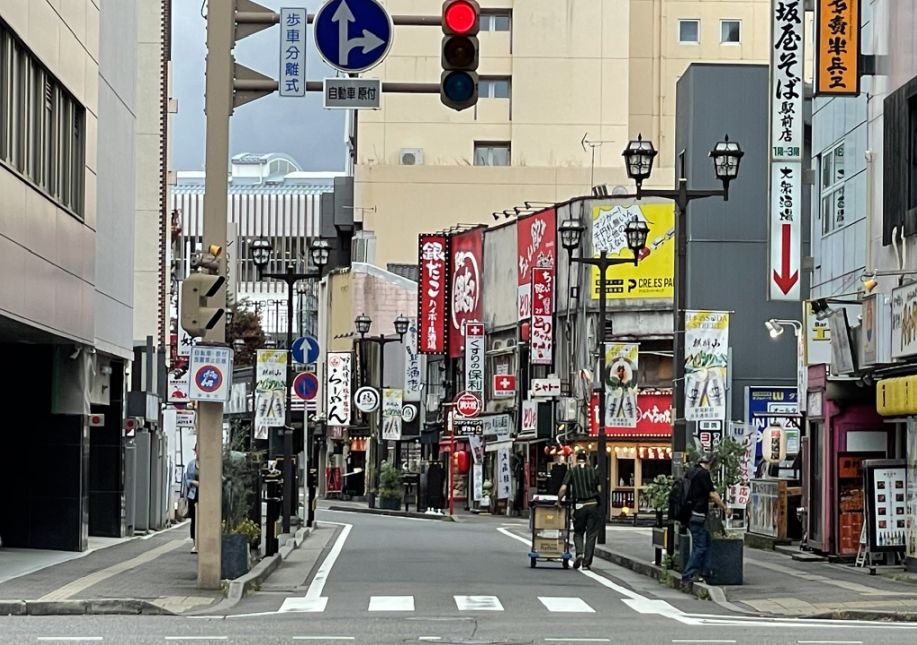
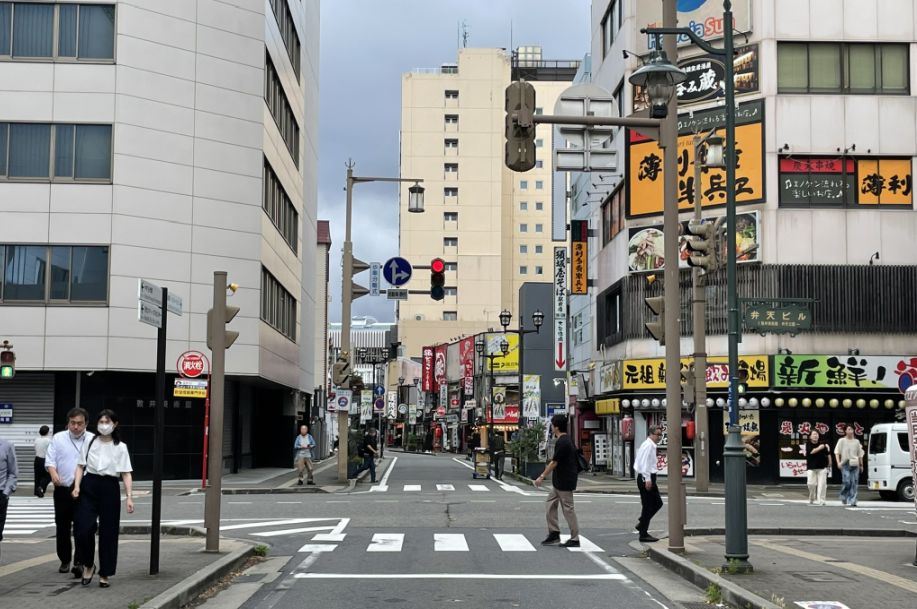
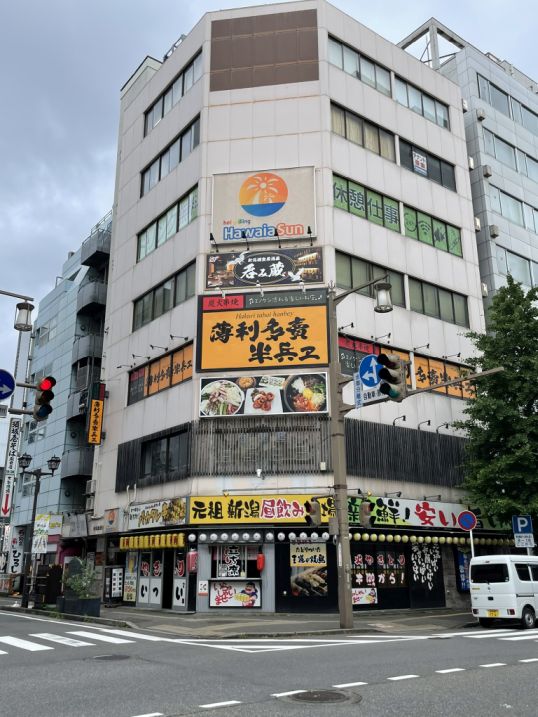
As we walked deeper into downtown, the modern buildings slowly gave way to older streets lined with low-rise structures and colorful signage.
 |
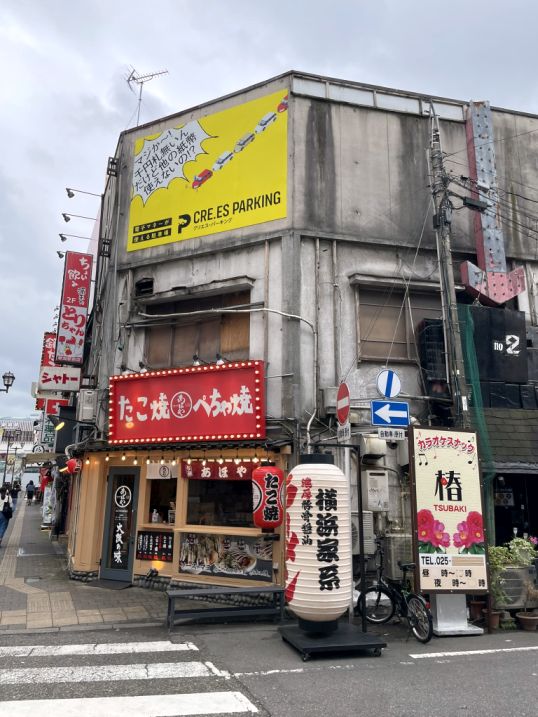 |
Many of the buildings looked like they had been there for decades, narrow façades, small upper-floor windows, and shop signs stacked vertically in bright reds, yellows, and blues. Some advertised ramen, izakaya, karaoke bars, or tiny local shops, their letters bold and slightly faded, telling quiet stories of long everyday use.
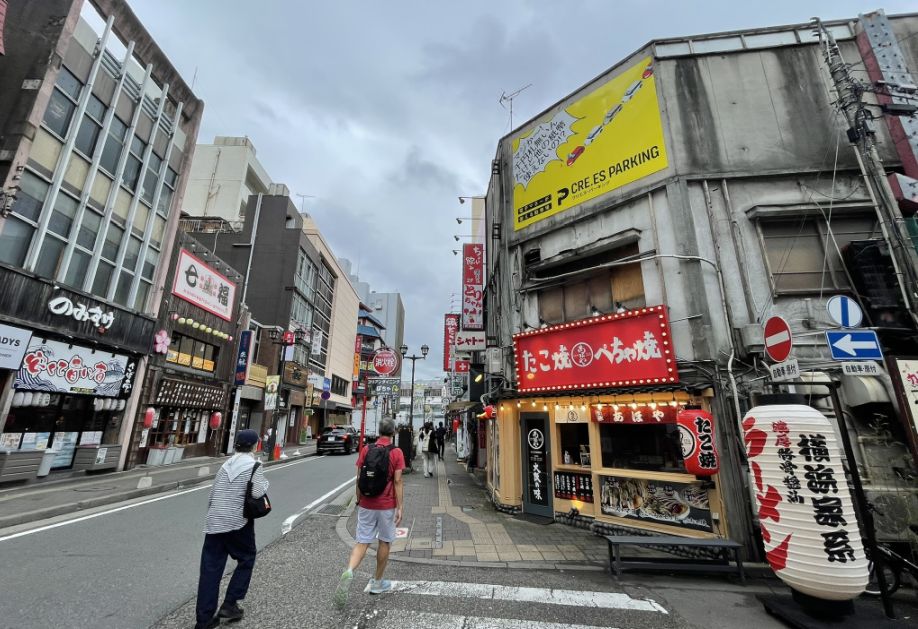
What stood out was how clean and orderly everything felt. The sidewalks were spotless, the roads neatly marked, and not a piece of trash in sight. Yet, despite all the signs and storefronts, the streets were surprisingly calm.
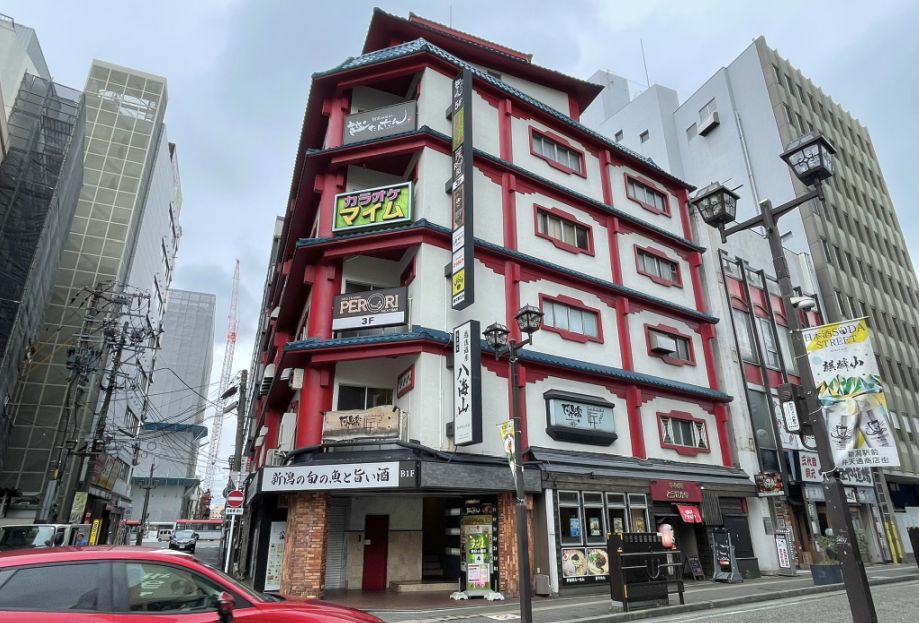
One building along the street immediately stood out from the rest. It was about five stories tall, painted mostly white, but decorated with deep red pillars and window frames trimmed in the same red color. On top sat a pointed, Chinese-style roof, covered in red tiles, giving the whole structure an unexpected, almost theatrical look among the simpler neighboring buildings.
 |
 |
The front was crowded with vertical signs stacked one above another, most of them written in Japanese, advertising different restaurants and bars hidden on each floor. Only one sign was easy for us to read: “Meat Wine Perori – 3F.” It felt like a small clue for travelers, hinting at the layered world inside the building, different eateries, different moods, all tucked behind one narrow entrance.
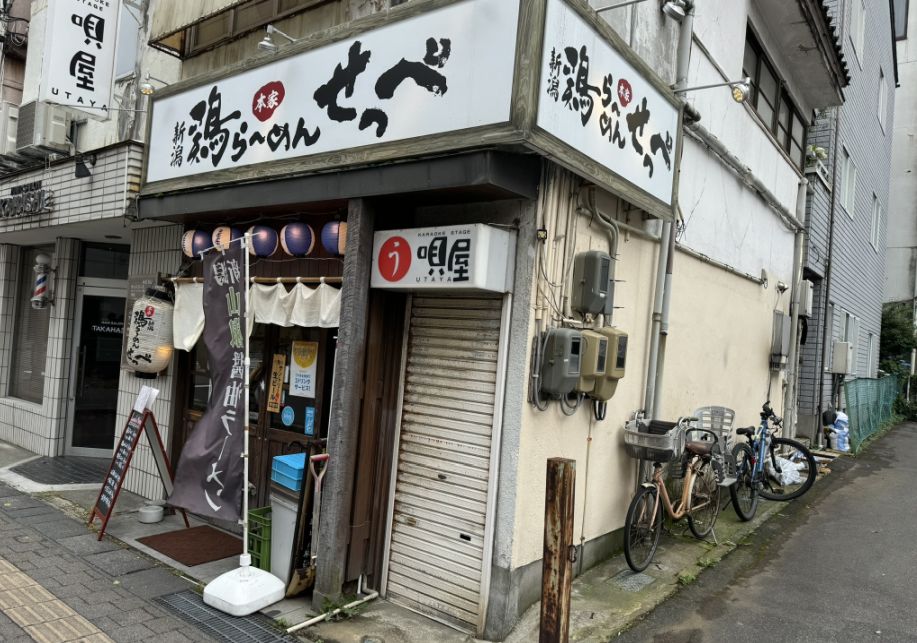
An old store front at the corner of one of the street.
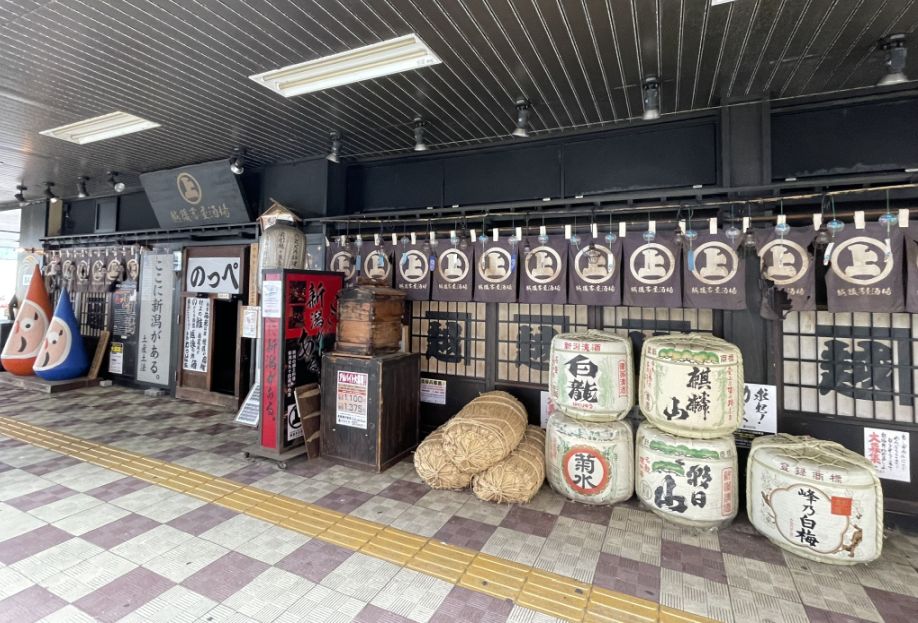
Then we passed by Echigo Banya Sakaba, the restaurant we had dinner last night.
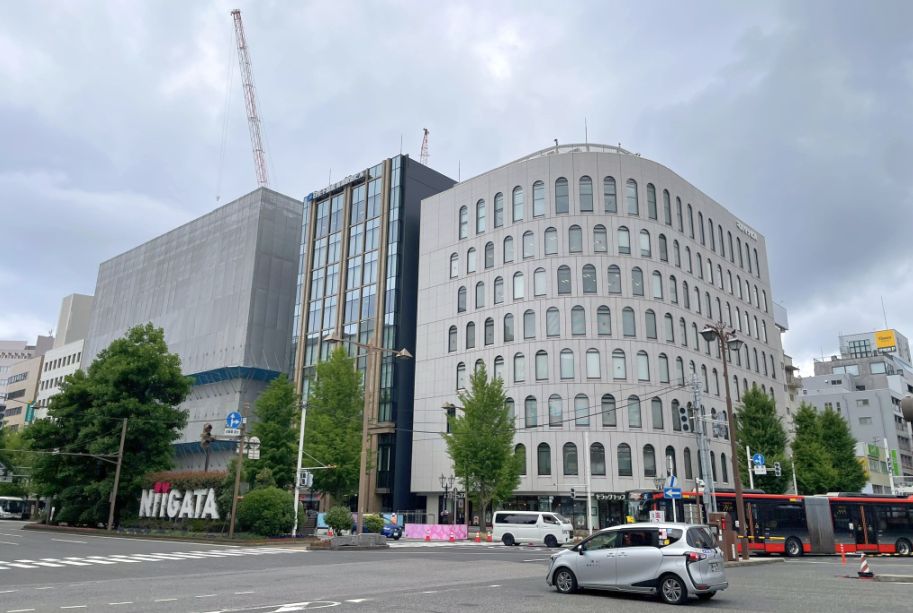
As we continued down the street, a striking building on the corner caught my eye. Its façade was clean and white, with tall windows that had gentle semi-circular tops, giving the whole structure a soft, elegant look.
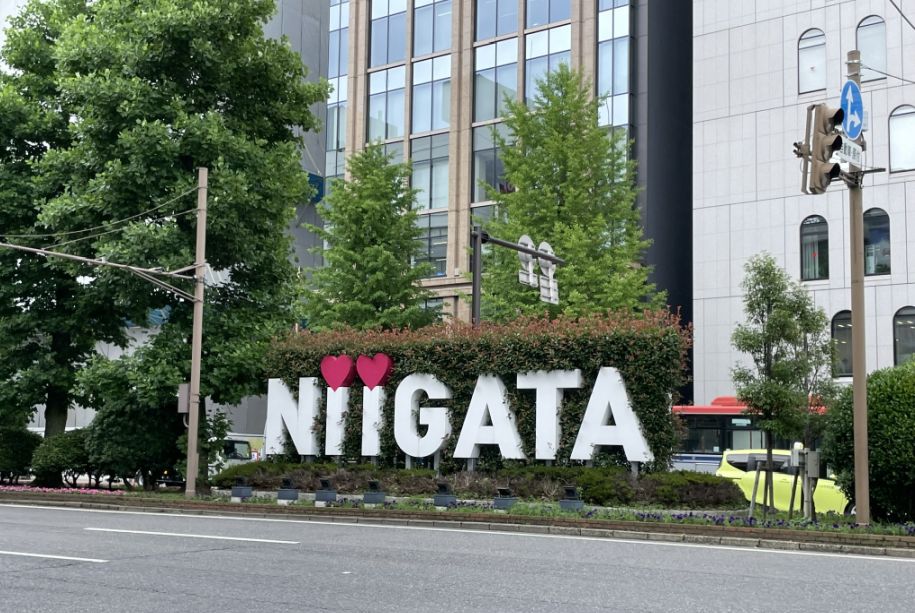
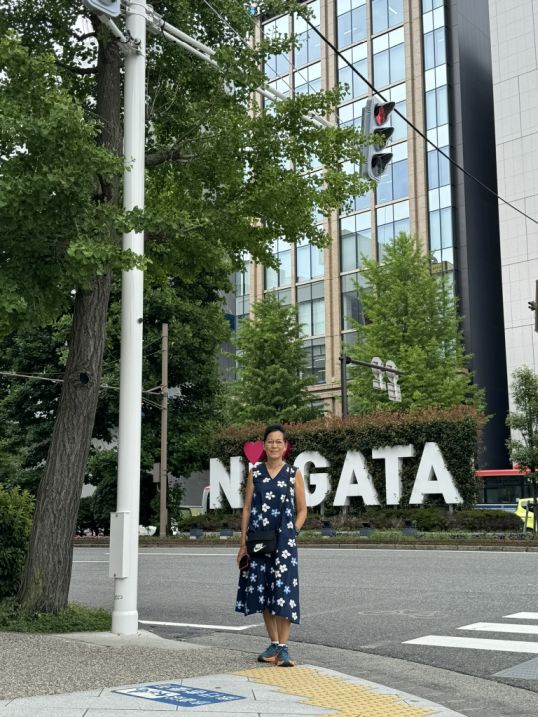
Across the street was a large “NIIGATA” logo, and the two I’s were playfully topped with bright red hearts, a creative twist that made the city’s name feel welcoming, friendly, and fun.
 |
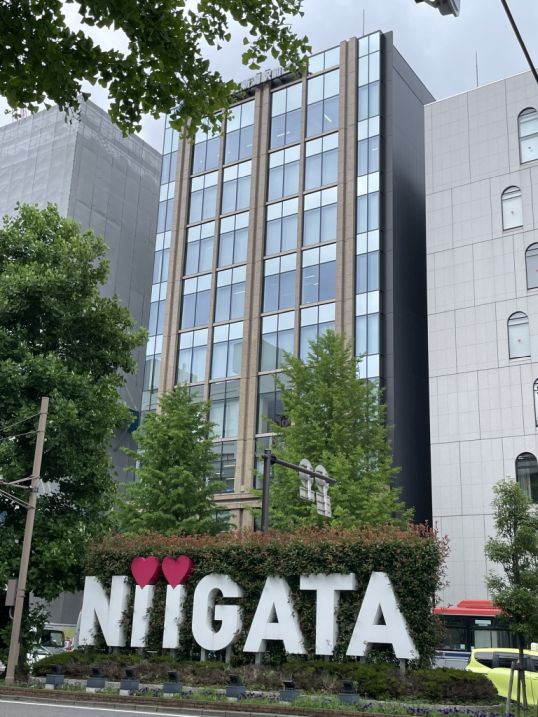 |
This wasn’t just a regular building sign, but part of the city’s way of showcasing Niigata’s identity and pride.. These bold letter installations are placed in key spots around town and are popular photo destinations for both visitors and locals alike.
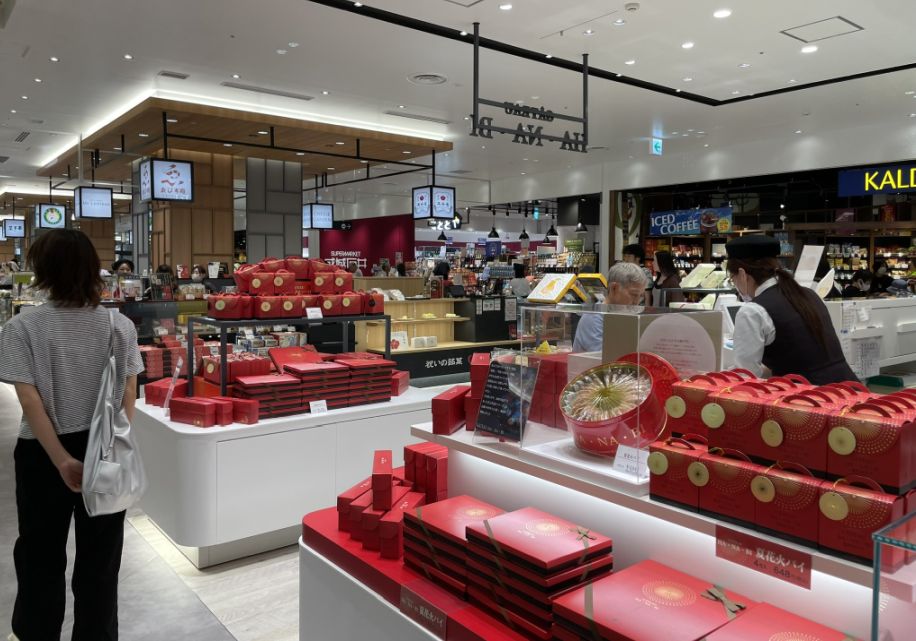
We eventually wandered into a shopping center, and the moment we stepped inside, the atmosphere completely changed. The space opened up into a bright, busy interior filled with rows of small stalls and shops, each one packed with food, snacks, and colorful displays.
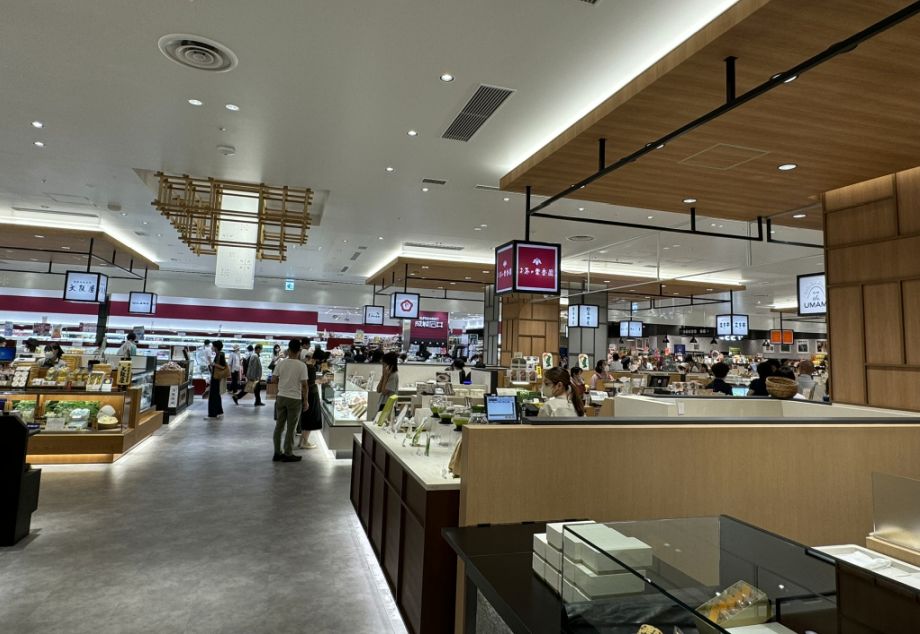
The air was warm and lively, layered with different smells, fresh bread, fried food, sweet pastries, and simmering broth drifting together.
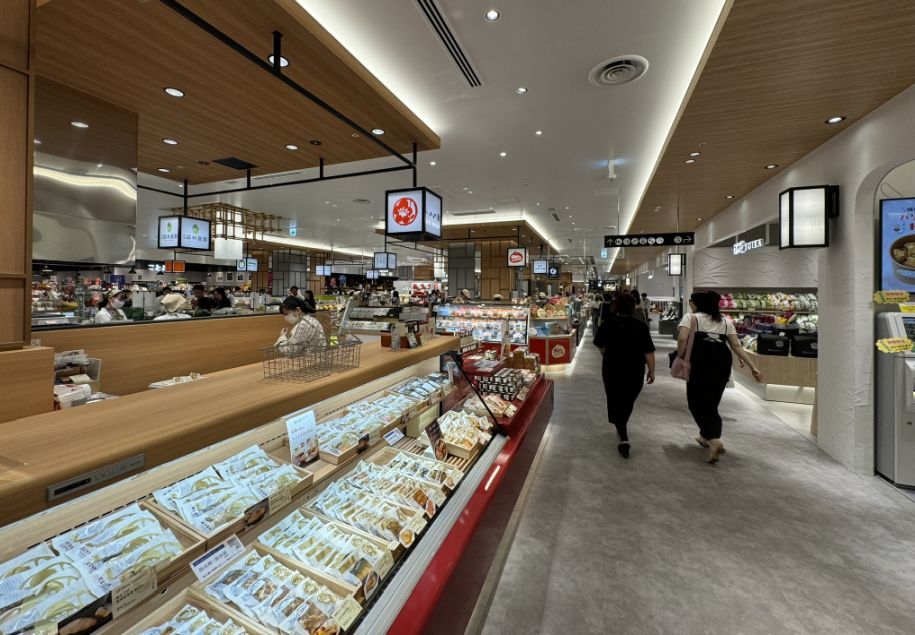
Lights reflected off polished floors, and signs hung overhead in neat rows, guiding people through narrow walkways that twisted gently between the stalls.
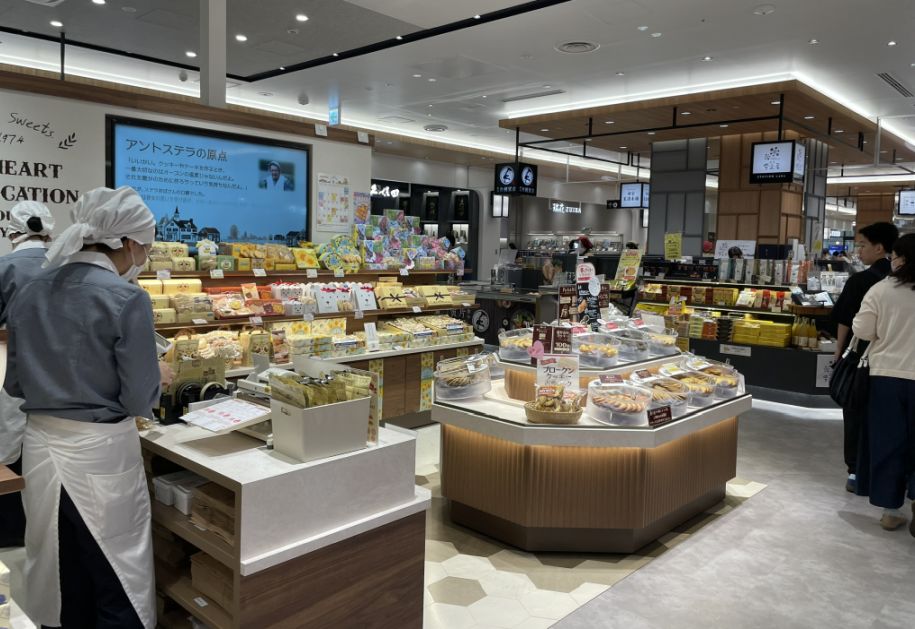
Some counters were piled high with bento boxes and desserts, others with local specialties wrapped carefully in paper and plastic, ready to be taken home or eaten right away
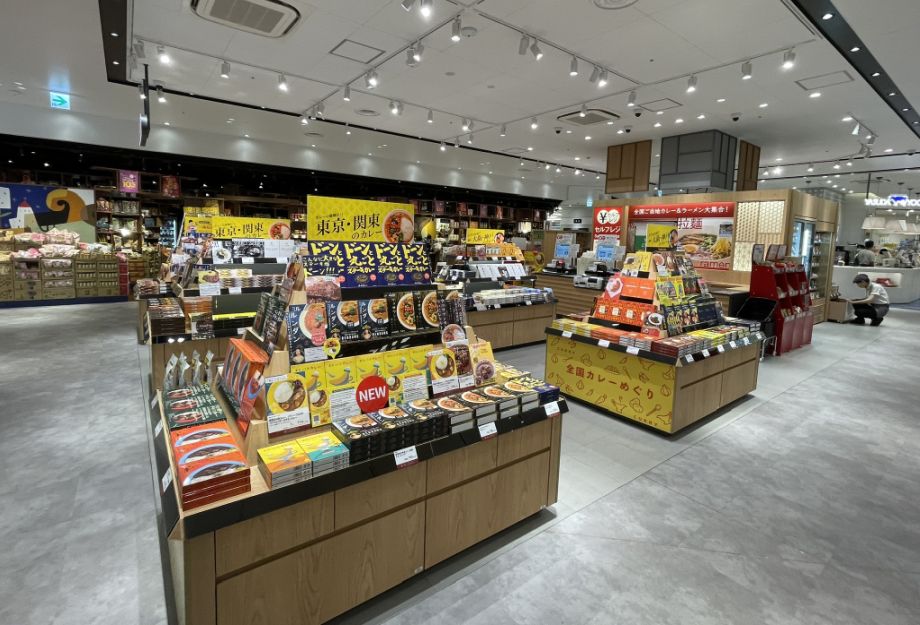
Compared to the quiet streets outside, this place felt like another world, full of motion and sound.
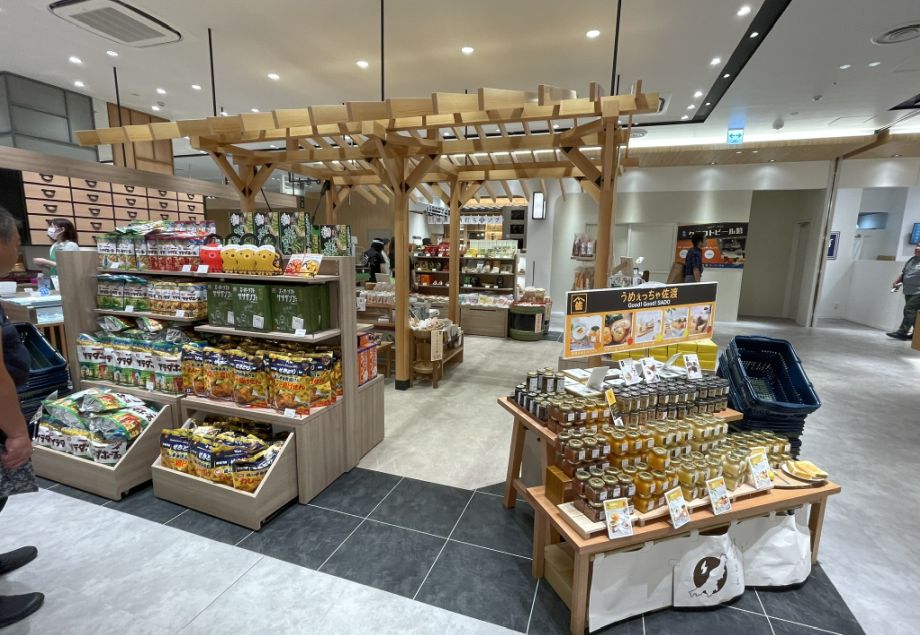
Everything is neatly displayed.
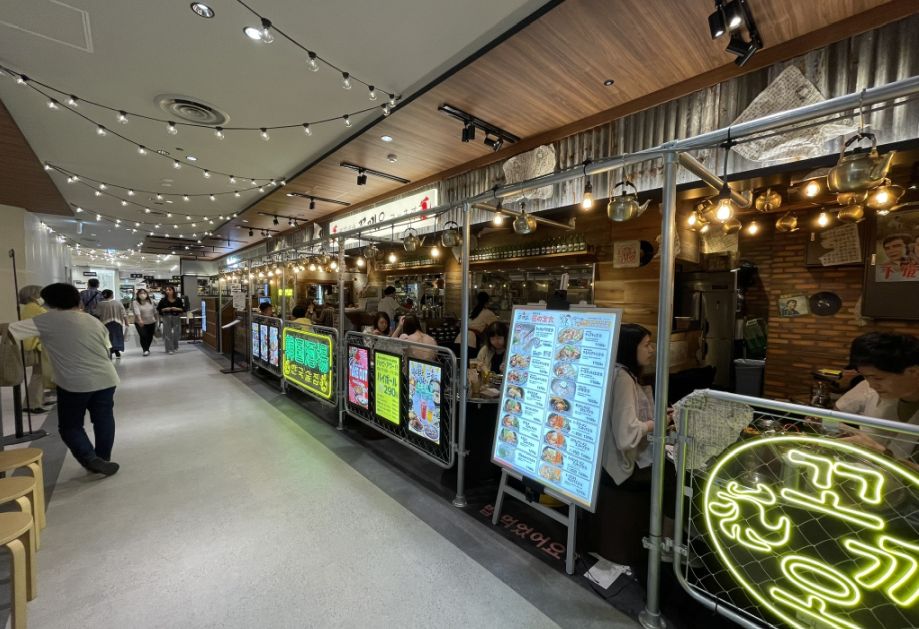
From the shopping center, we wandered into a section that felt like a hidden food street. A long indoor walkway stretched ahead, and along the right side was a continuous row of restaurants, each one spilling slightly into the corridor with outdoor-style seating that felt like an extension of the dining rooms. Wooden tables, small signs, menus on stands, and the soft clatter of dishes created a warm, inviting rhythm as we passed by.
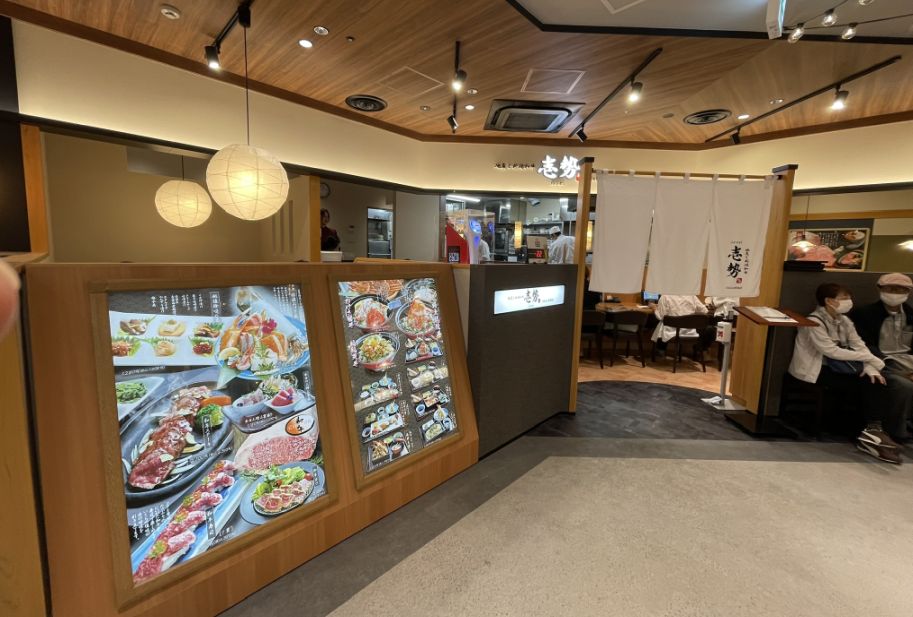
So many places looked tempting, but in the end we chose one at random. We never even caught the name, everything on the sign was written in Japanese, but it didn’t matter.
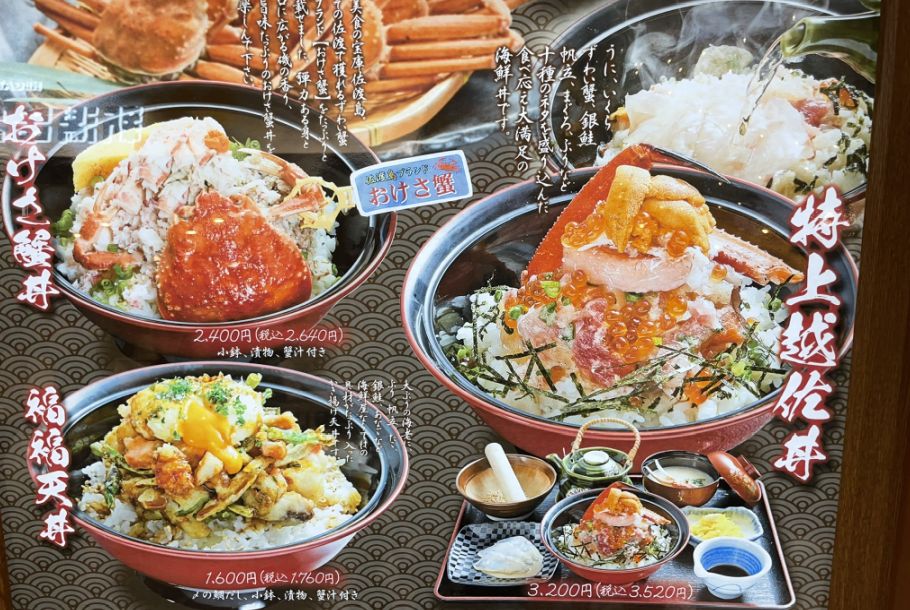
We saw the pictures outside of the restaurant and it looks so good so we decided to eat here.
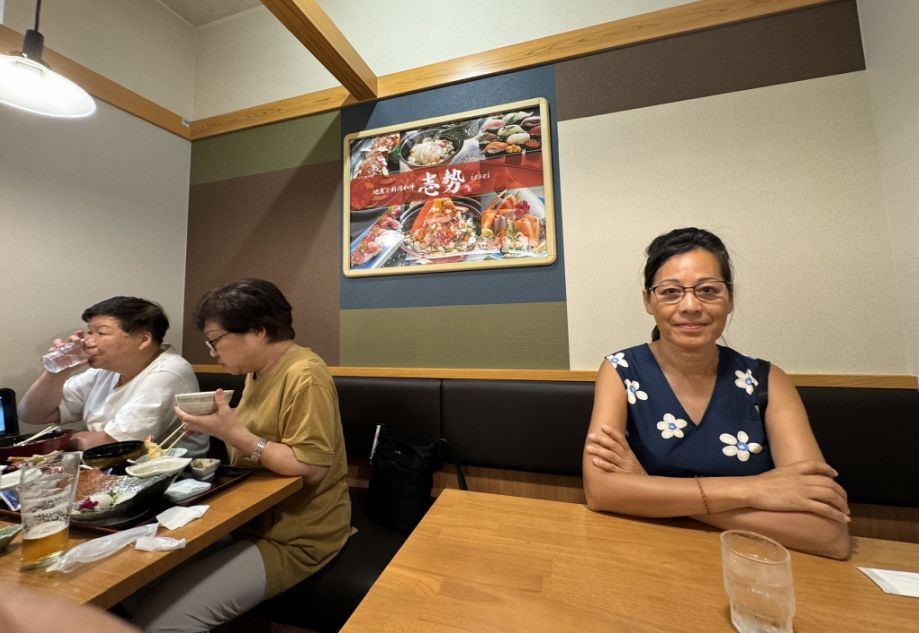
Inside, the atmosphere was lively and comforting, filled with the low hum of conversation and the smell of freshly cooked food. We were incredibly lucky to get the last table in the restaurant, squeezing in just before the lunchtime rush completely filled the place.
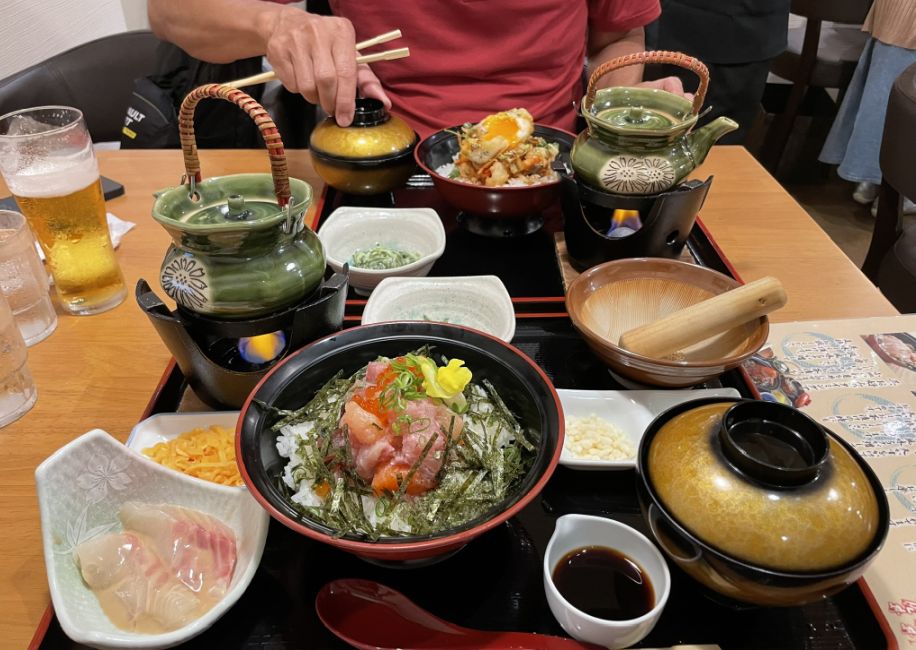
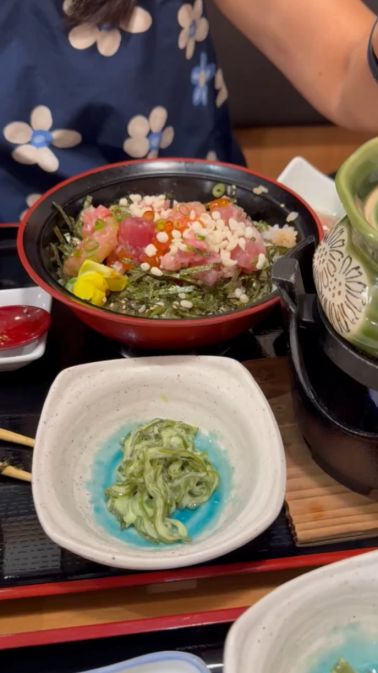
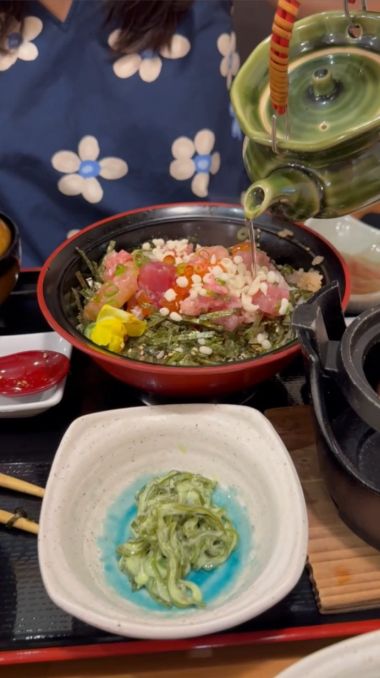
I ordered a bowl of rice generously topped with slices of fresh sashimi, arranged so beautifully it almost felt wrong to disturb it. Alongside it came a small tray: a delicate little bowl holding two perfect pieces of fish, and a covered lacquer bowl with hot soup inside, still steaming when I lifted the lid.
 |
 |
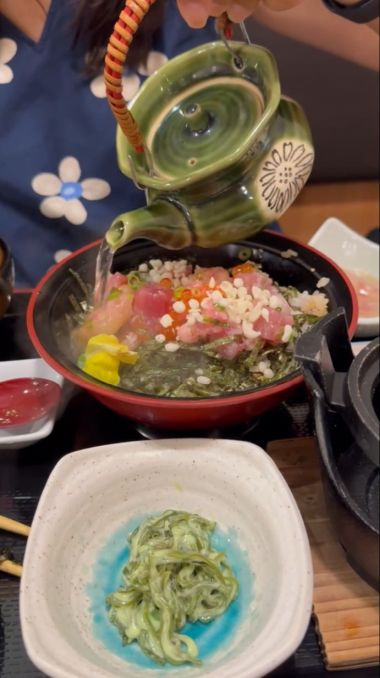 |
But the real surprise was a small pot of clear, fragrant hot broth, brought separately. When I slowly poured the broth over the rice and sashimi, everything changed. The steam rose gently, carrying the scent of the sea, and the fish softened just slightly, halfway between raw and cooked. The flavors were incredible, clean, light, and deeply comforting at the same time. It was subtle but rich, simple yet refined, the kind of dish that feels both nourishing and special.
 |
 |
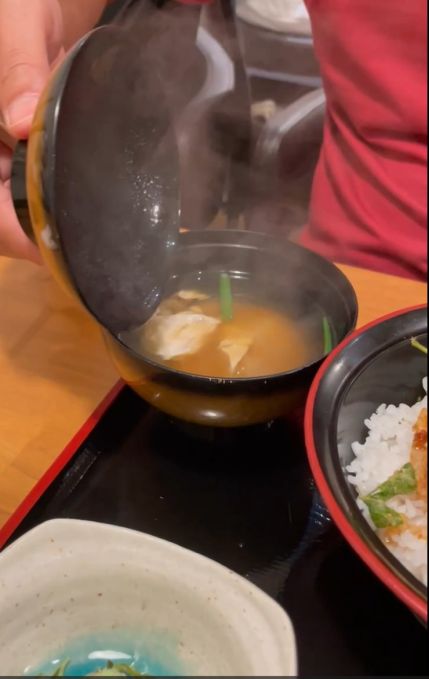 |
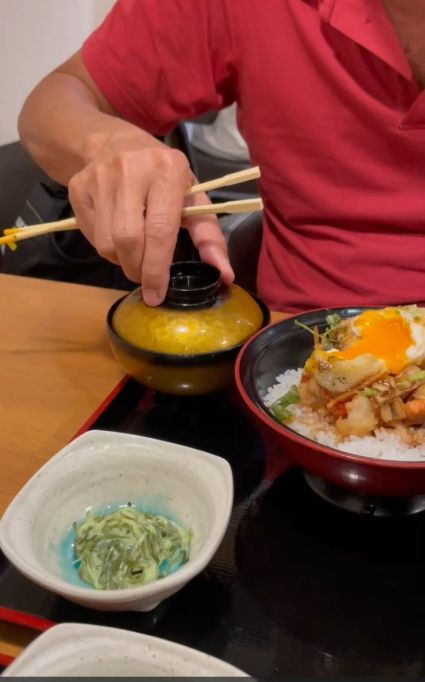
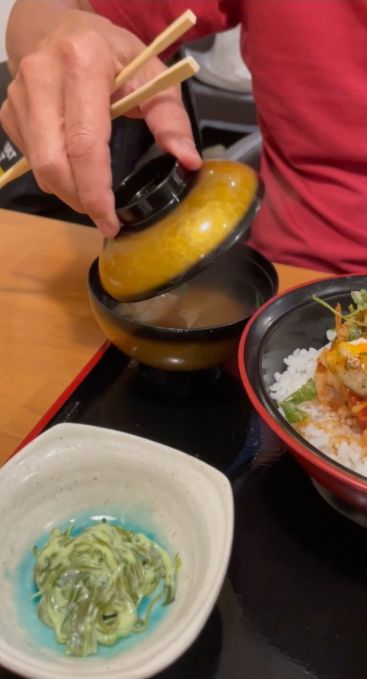
Hoa's lunch included a hot small bowl with a fragrant soup.
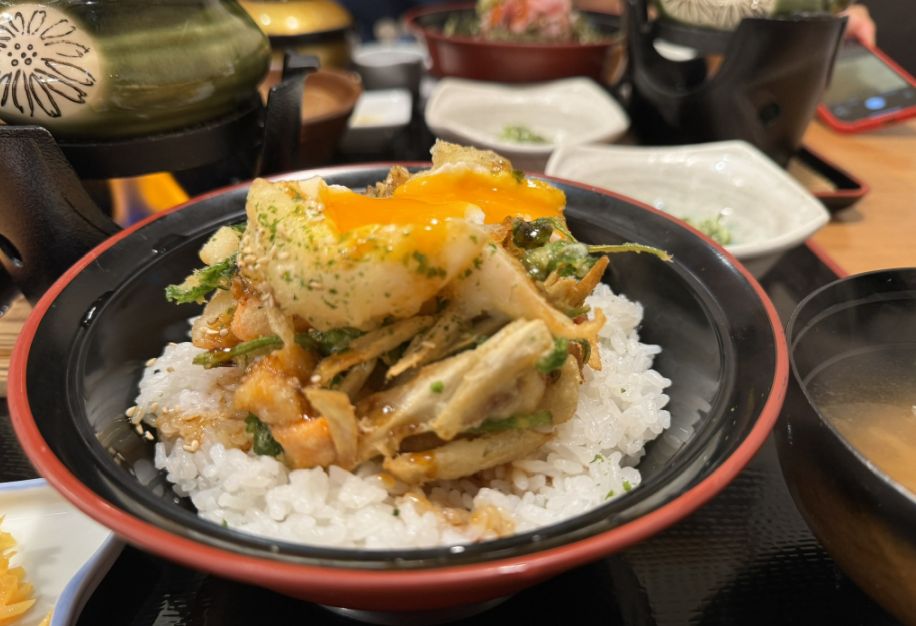
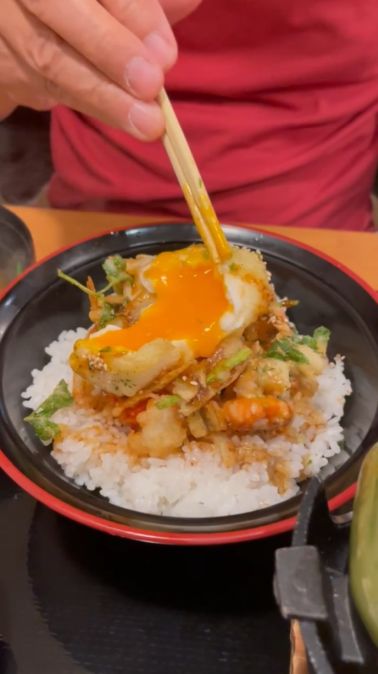
Hoa's main dish was a bowl of rice topped with sautéed crab, the meat piled generously and glistening, with a molten egg resting on top, its golden center slowly spilling over the crab and rice. It looked rich and comforting even before the broth arrived.
 |
 |
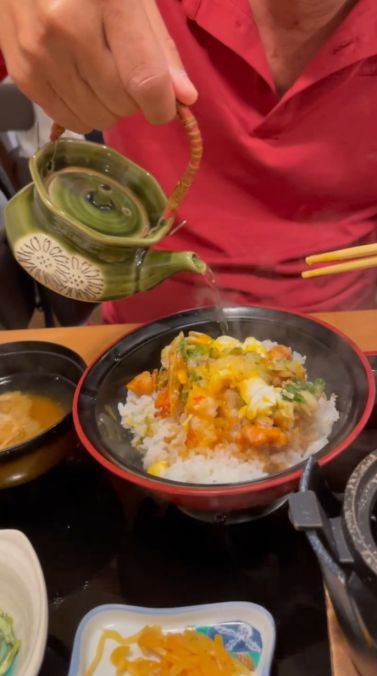 |
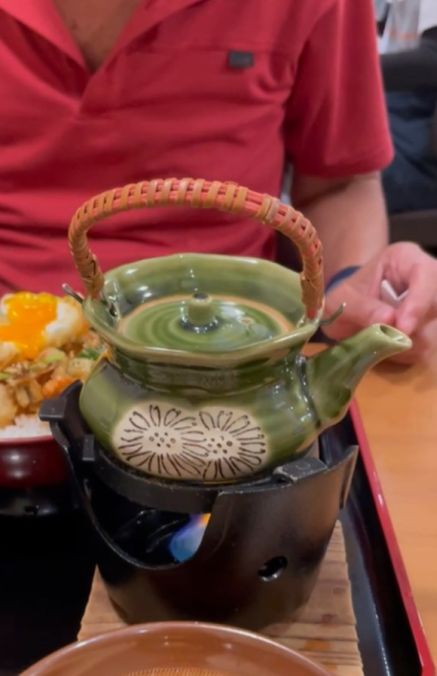
Just like mine, Hoa's dish came with a small pot of hot, clear broth. When he poured it over the bowl, the steam rose immediately, and the egg melted further into the rice, turning everything silky and fragrant. The crab released its sweetness into the broth, blending with the warmth of the rice into something deeply satisfying and luxurious.
Watching his bowl transform was just as tempting as tasting my own. It felt like the restaurant had mastered this simple ritual, fresh ingredients, gentle heat, and perfect timing, turning an ordinary bowl of rice into something unforgettable.
So lucky we found this restaurant! The food was really amazing.
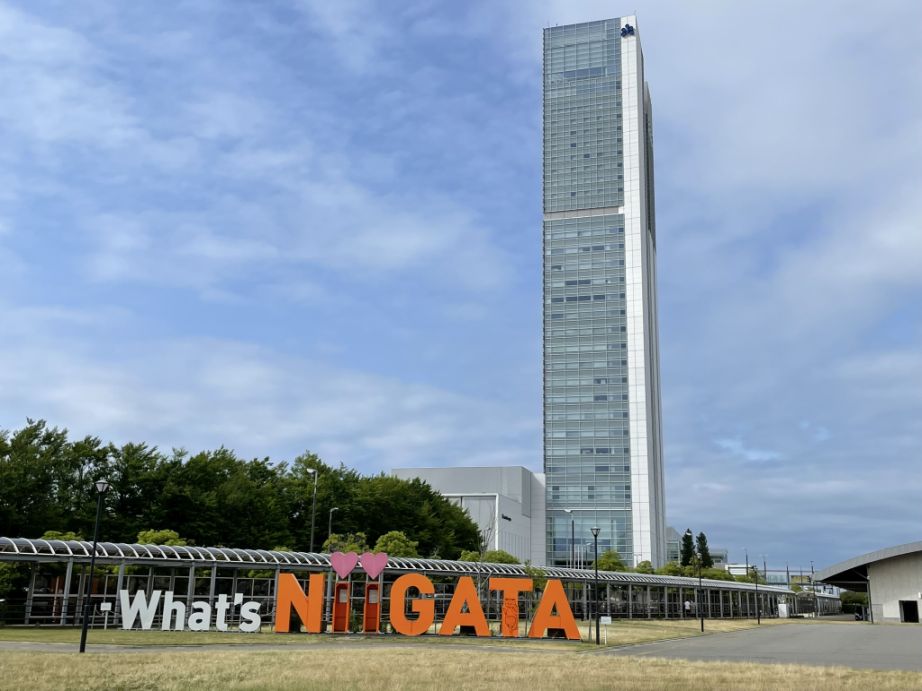
As we made our way back to the hotel, we passed by the “What’s Niigata” sign again. The cheerful orange and white landmark that seems to pop up around the city as a fun photo spot and modern symbol of Niigata. The sign itself is part of a city promotion meant to showcase Niigata’s identity and charm and give visitors a playful place to take photos, especially near the river walk and green spaces. The tall tower in the background is our hotel the Nikko Niigata.
 |
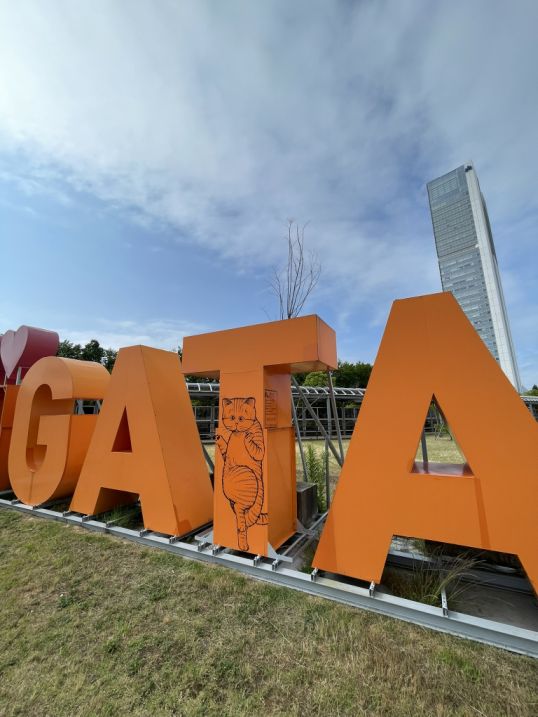 |
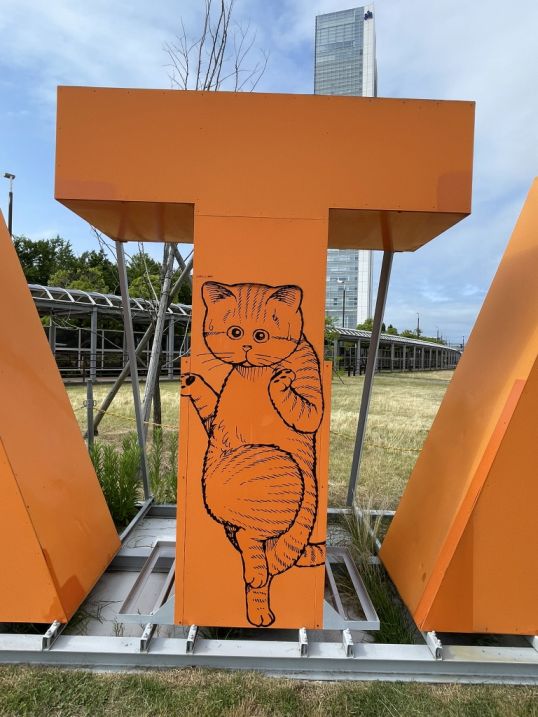
This time I noticed something new: on the letter T in “Niigata,” there was a small cat illustration incorporated into the design. While the base sign doesn’t officially come with a set meaning tied to cats, these little artistic touches are often added to make the installation more engaging and fun for visitors. Cats in Japan are widely cherished as symbols of good luck, friendliness, and urban charm, which fits perfectly with the welcoming spirit of the sign. (In many parts of Japan you’ll see cat images used in local art, shop signs, and mascots as playful cultural accents.)
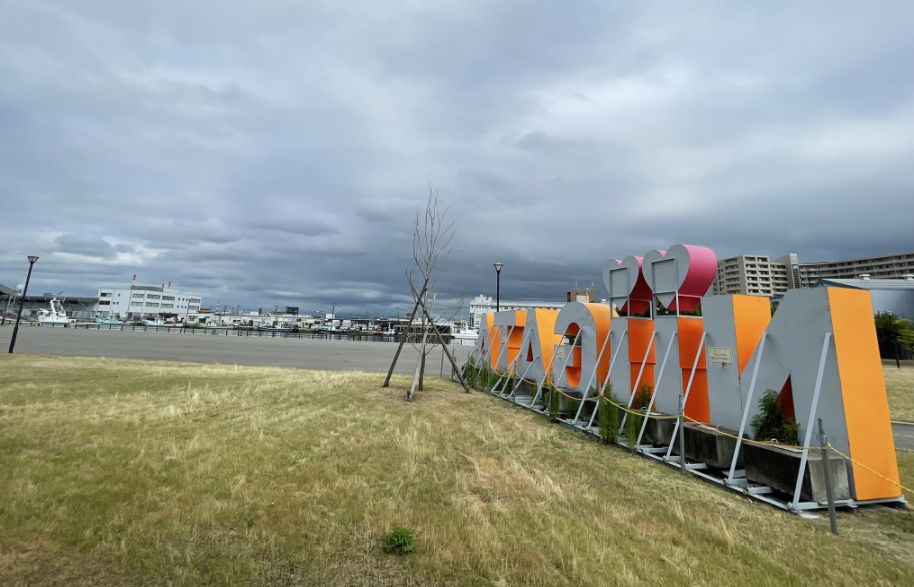
This is the back of the sign and in straigh ahead you can see the riverfront.
NEXT... Dinner at Sushi Arai