12 days in Thailand 1/7- 1/18/2025
Day 6-Evening stroll/Dinner-1/12/2025
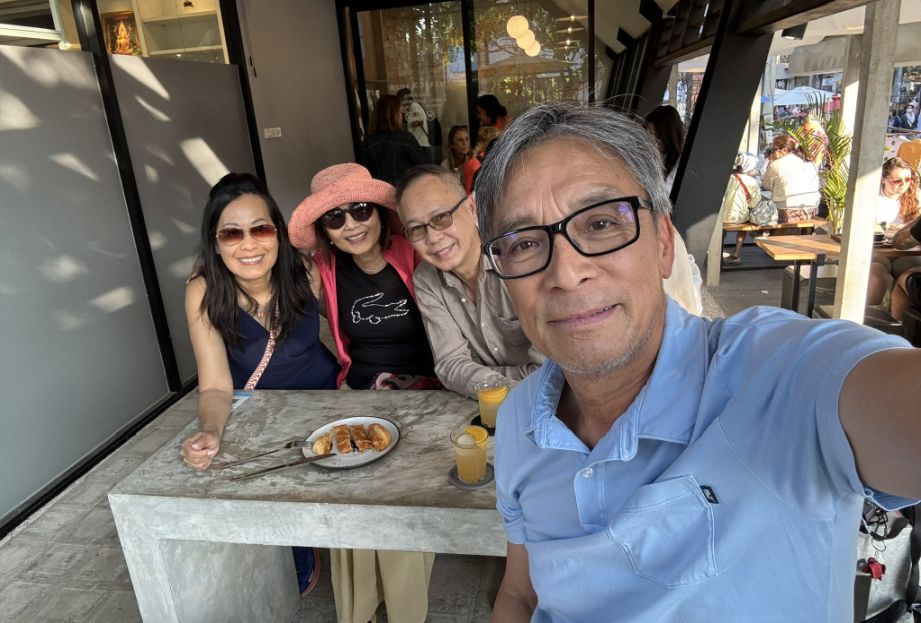
Around 4:00pm, we made our way back into the Old Town of Chiang Mai, easing into the slower rhythm of the late afternoon with coffee, refreshment, and pastries.
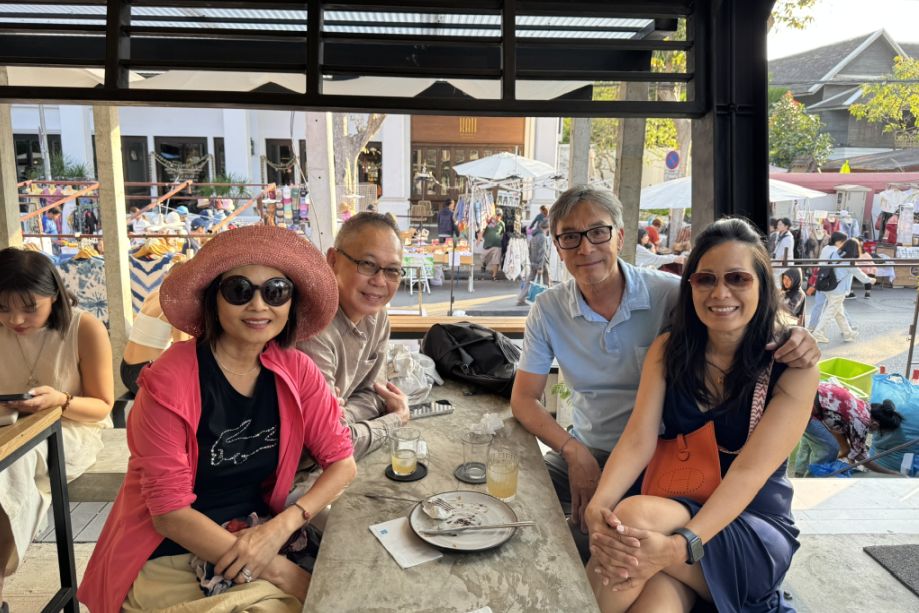
We really enjoyed the ambiance of the Old Town.
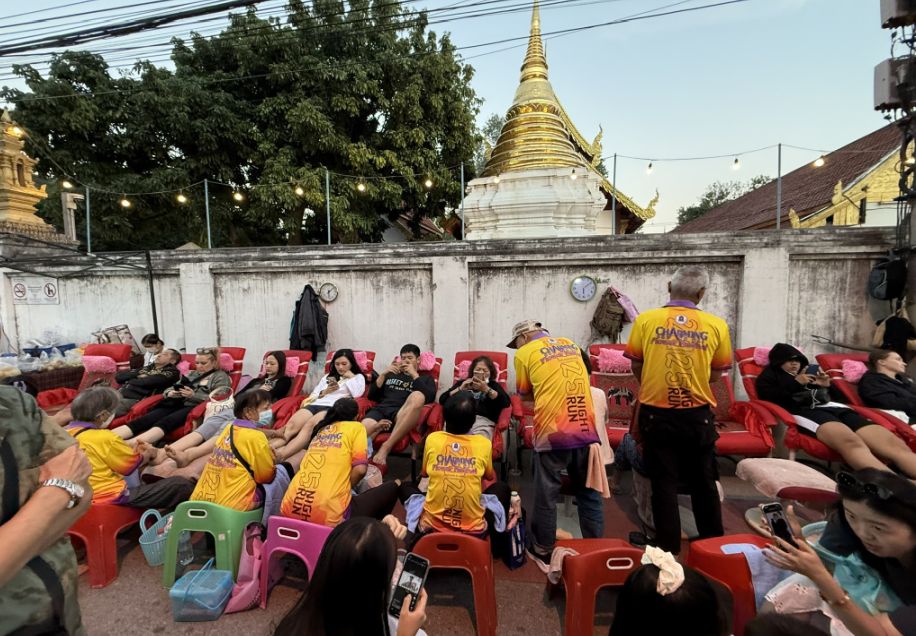
Afterwards we wander along Ratchaphakhinai Road and Ratchadamnoen Road and we stumbled upon one of the most distinctive, and surprisingly normal scenes in Thailand: rows and rows of simple reclining plastic chairs set up right along the street, each occupied by someone enjoying a foot or Thai massage.
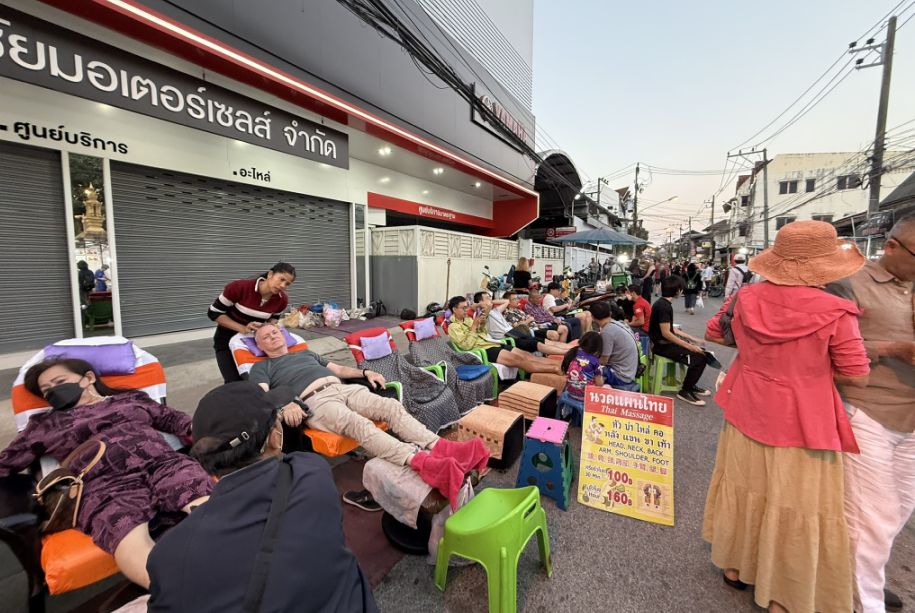
It can feel almost surreal at first, but this is a deeply rooted part of everyday Thai life. Street-side massage is affordable, accessible, and trusted, with many therapists trained in traditional Thai techniques passed down through generations. This panel is listing a price of 100 baht for a basic foot massage and 160 baht for a more complete service (roughly to about $3 to $4.50 USD)
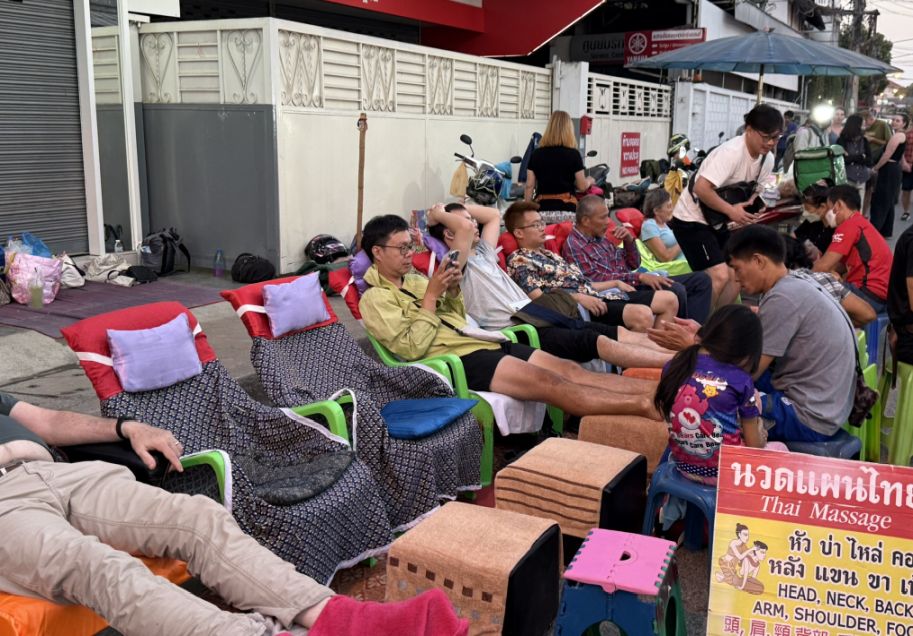
It is so cheap and it explains why so many locals and visitors alike happily line up for a session. It is super casual, unpretentious, and incredibly social, with the gentle hum of conversation and the rhythmic motion of massage creating a unique street atmosphere. Definitely not for me because I don't feel comfortable sitting around in the street with so many people around.
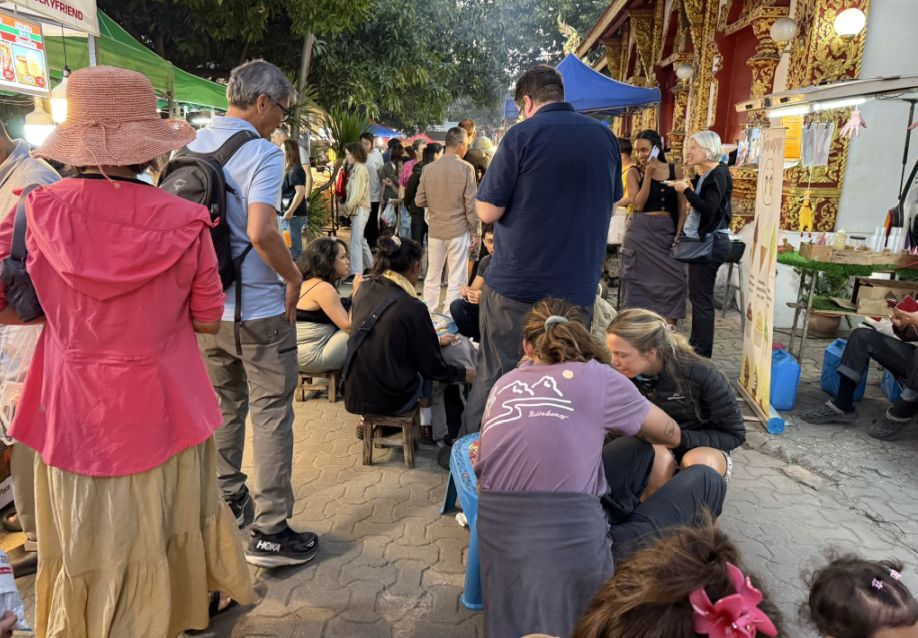
On Sunday evenings, the entire stretch of Ratchadamnoen Road and the surrounding lanes inside the old city walls transforms into a massive pedestrian market, and the sheer number of people and food vendors can feel almost overwhelming but in the best way.
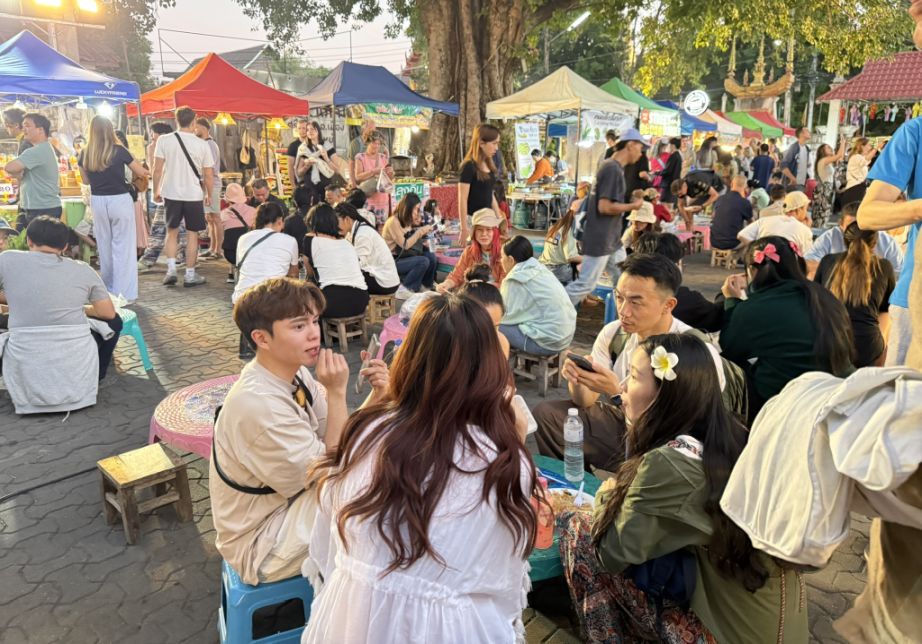
By early evening, it becomes a sea of people moving slowly through rows of stalls, with vendors selling everything imaginable, but especially food.
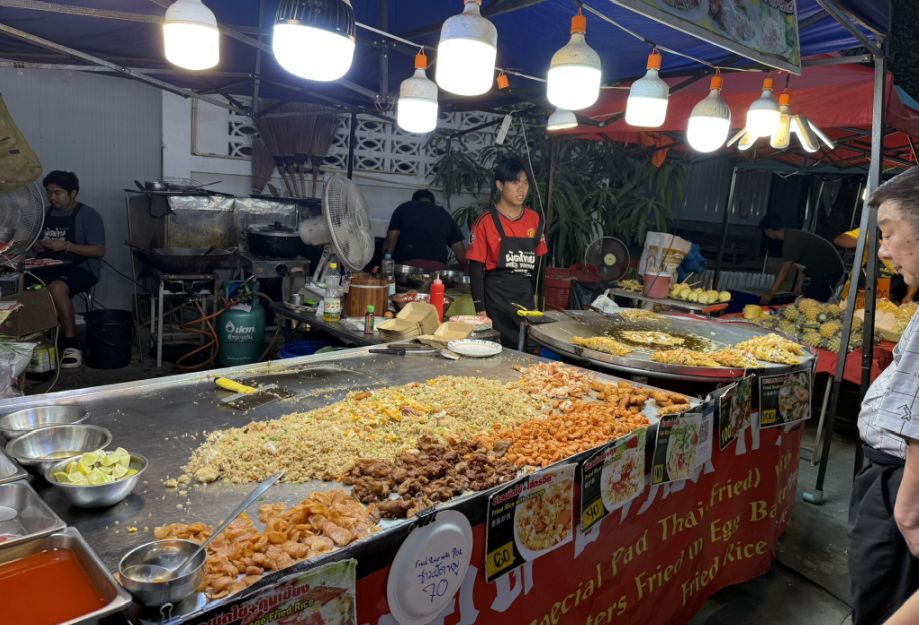
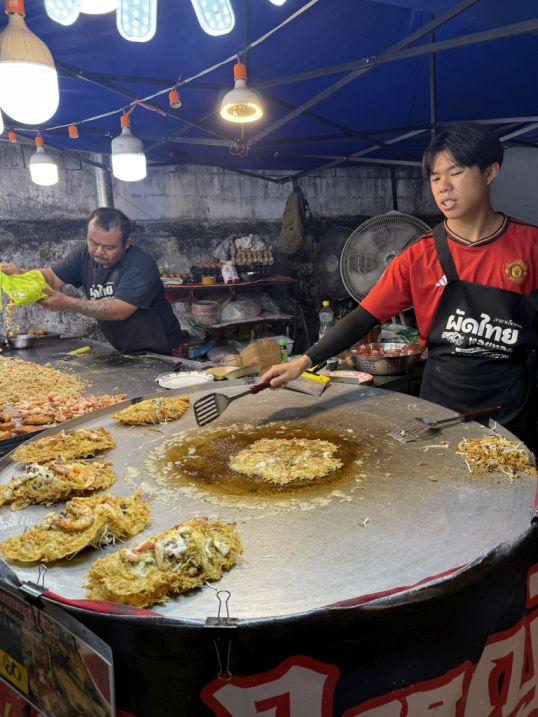
There are endless choices: sizzling skewers on charcoal grills, freshly made pad Thai, grilled sausages, mango sticky rice, coconut pancakes, fruit shakes, and so many local northern Thai specialties.
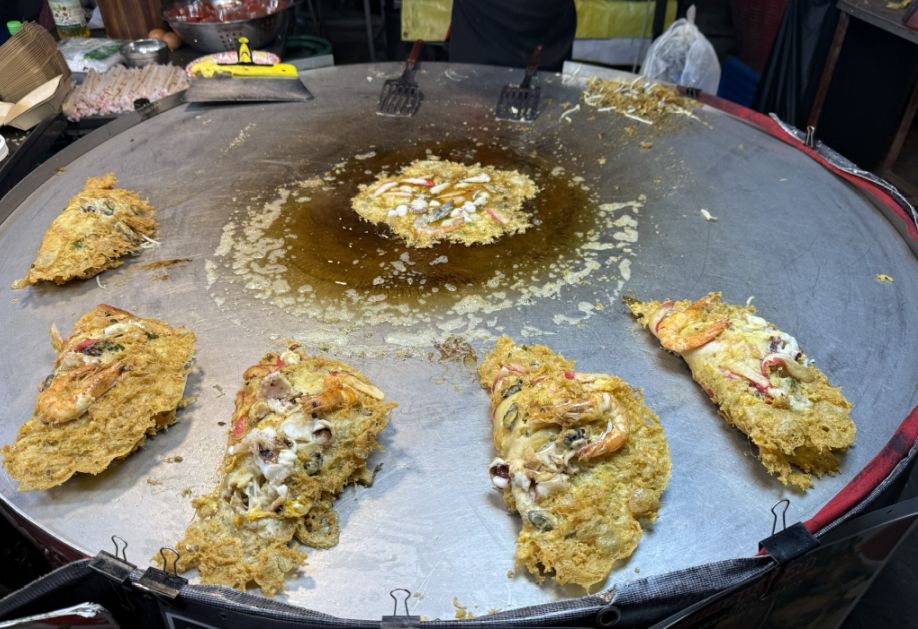
Seafood pancake on a hot griddle.
 |
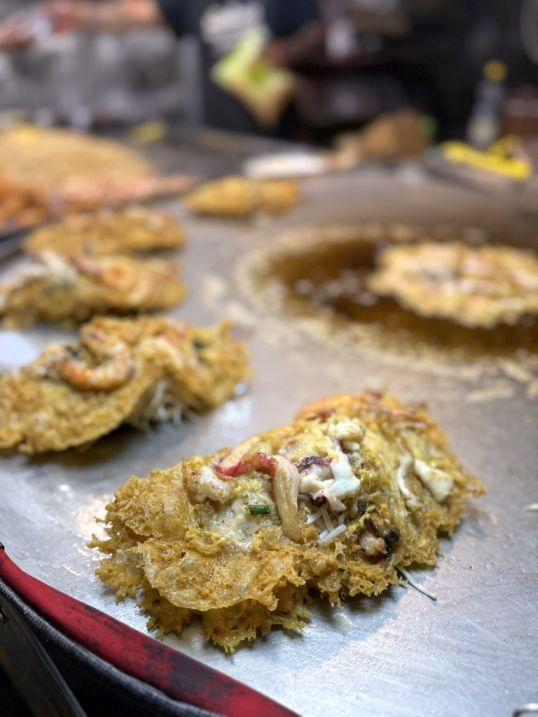 |
Looks really good and the market is also very clean.
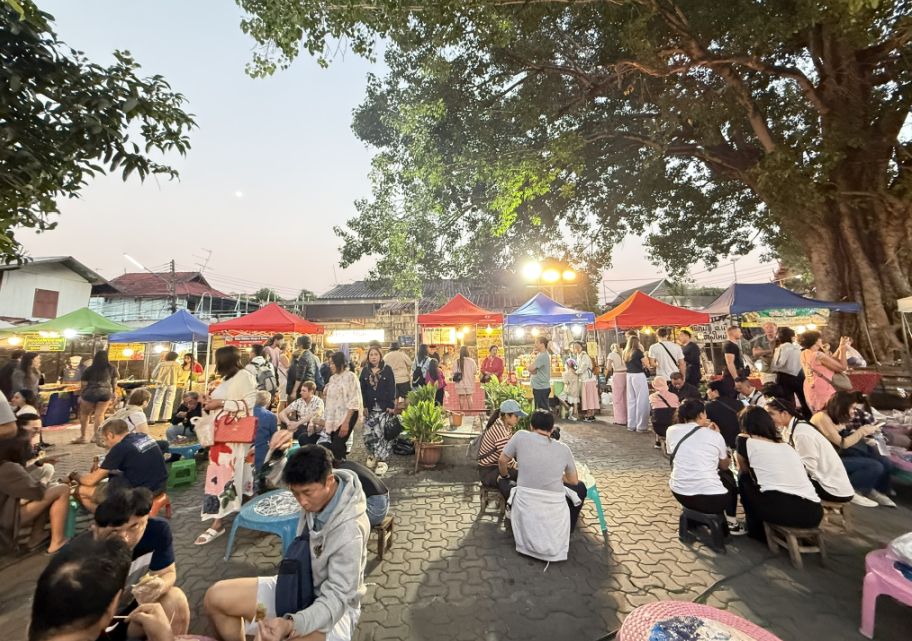
What makes it so special is how casual and communal it feels. People just grab what looks good and sit wherever they can, often on those tiny plastic stools and low tables right along the street, turning every corner into a makeshift dining space.
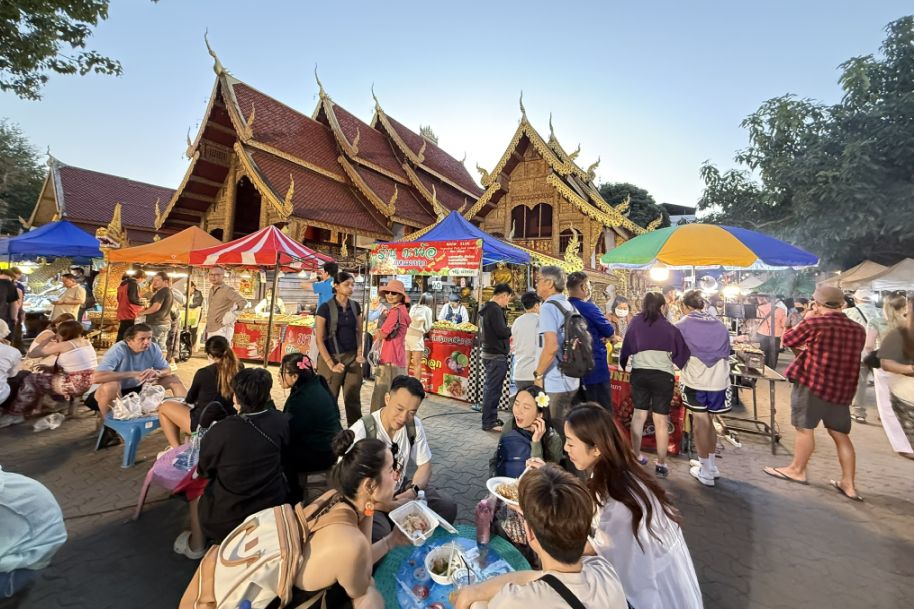
What makes the Chiang Mai Sunday Walking Street Market so special is the contrast of the temples glowing softly just steps away from people eating, laughing, and sitting on tiny stools. It creates a beautiful balance between the sacred and everyday life.
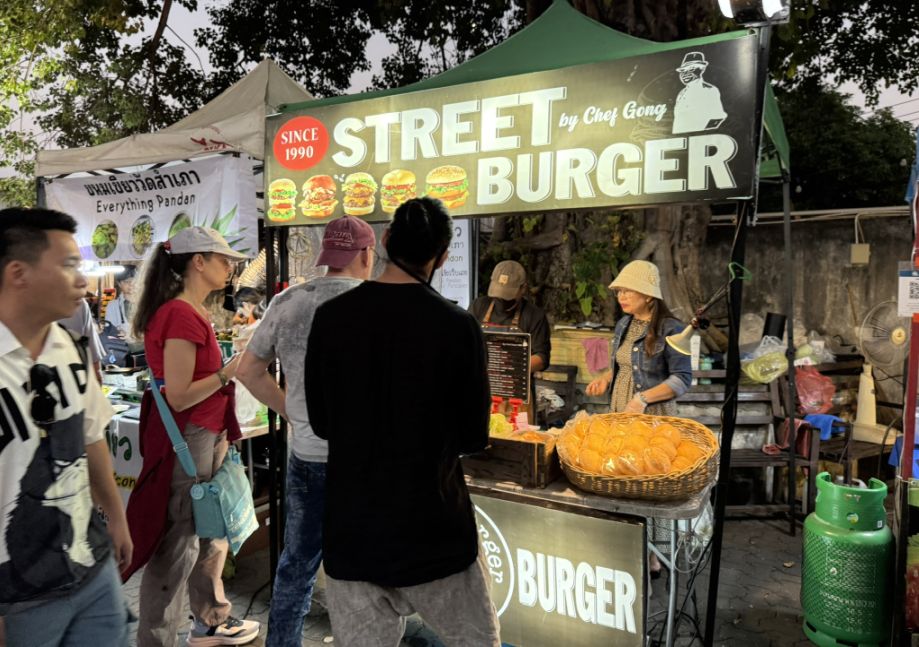
A vendor selling Burgers.
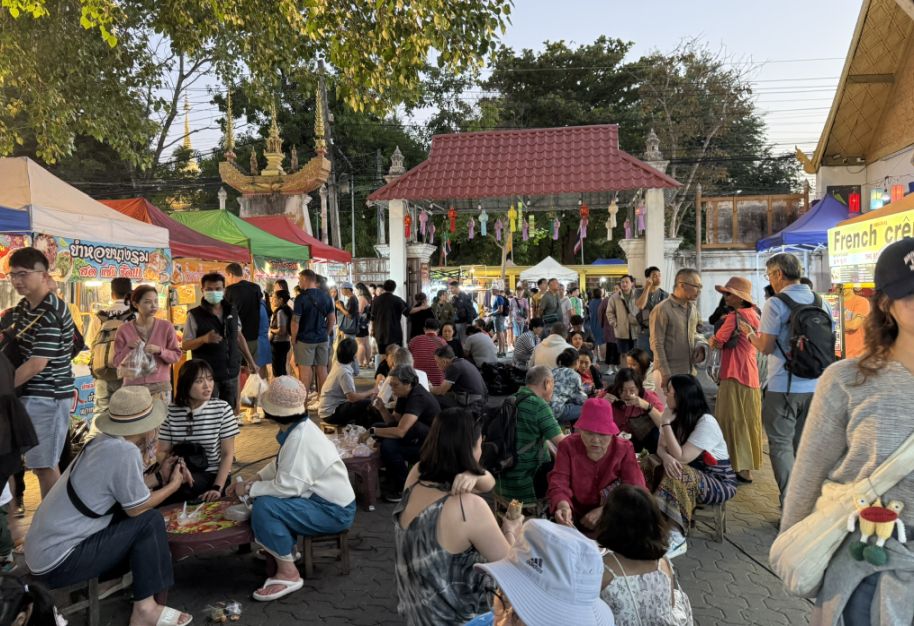
The market has a really friendly, casual vibe.
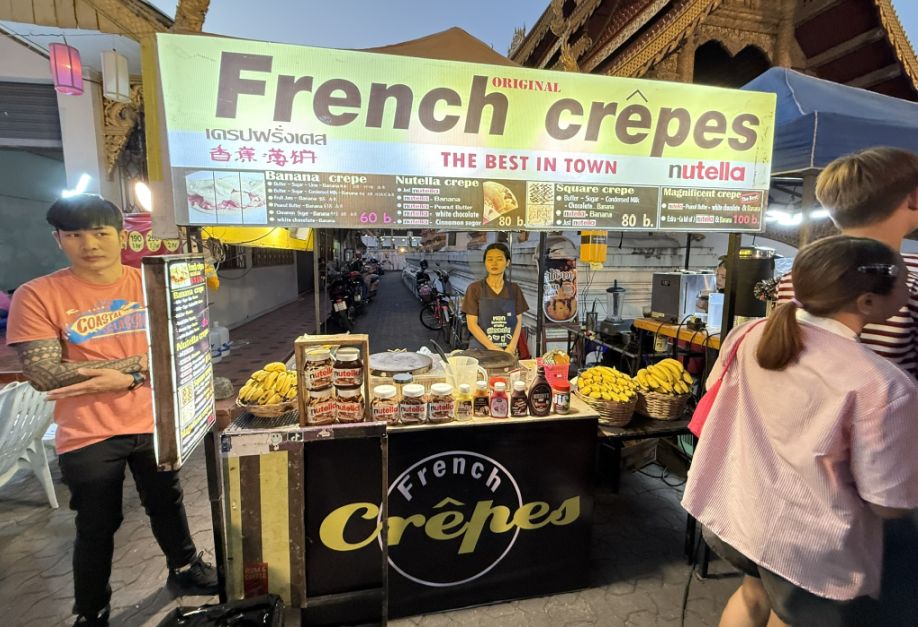
You can even find French Crepes here.
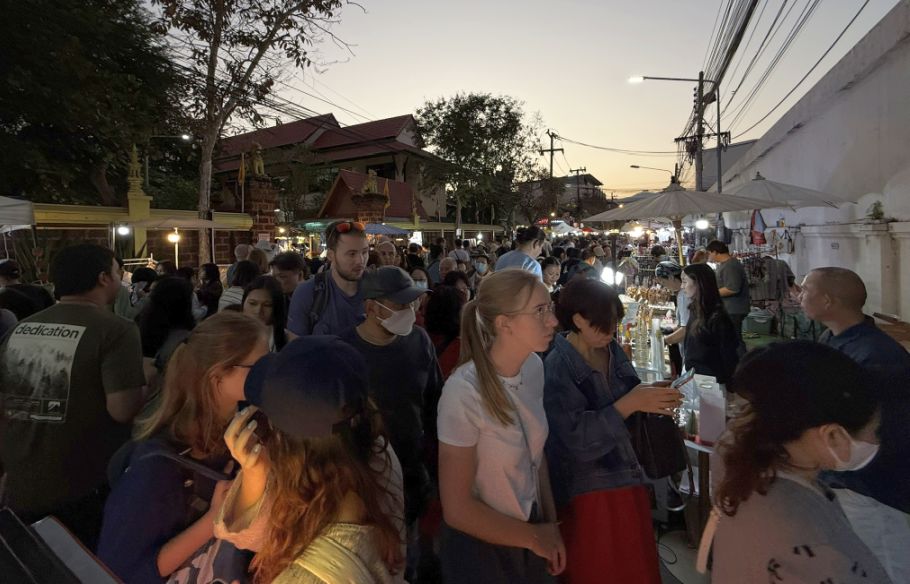
As we kept wandered, passing a street lined with vendors selling clothes, jewelry, and souvenirs, the scene becomes even more vibrant. layers of color, textures, and movement everywhere.
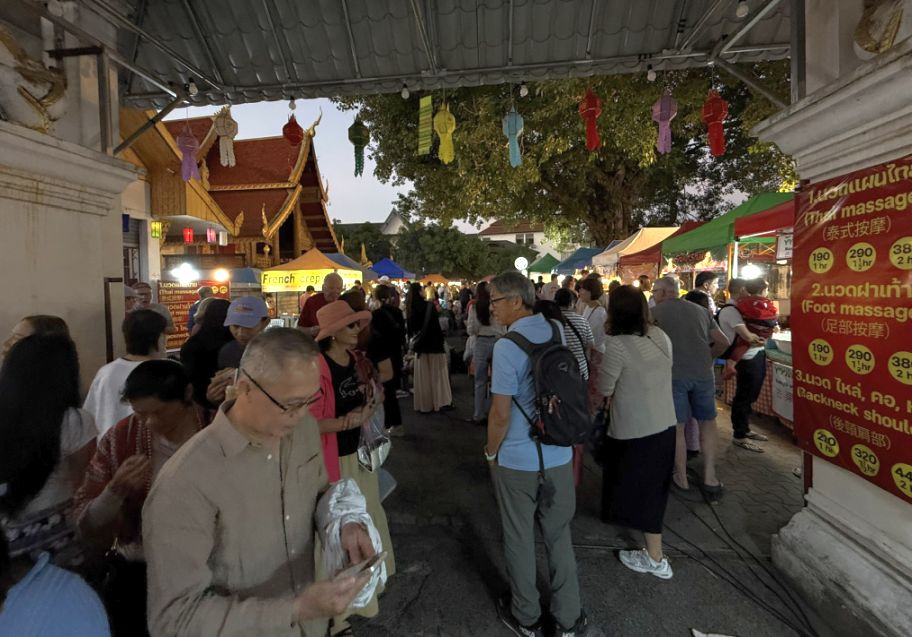
We are now leaving the Sunday Market.
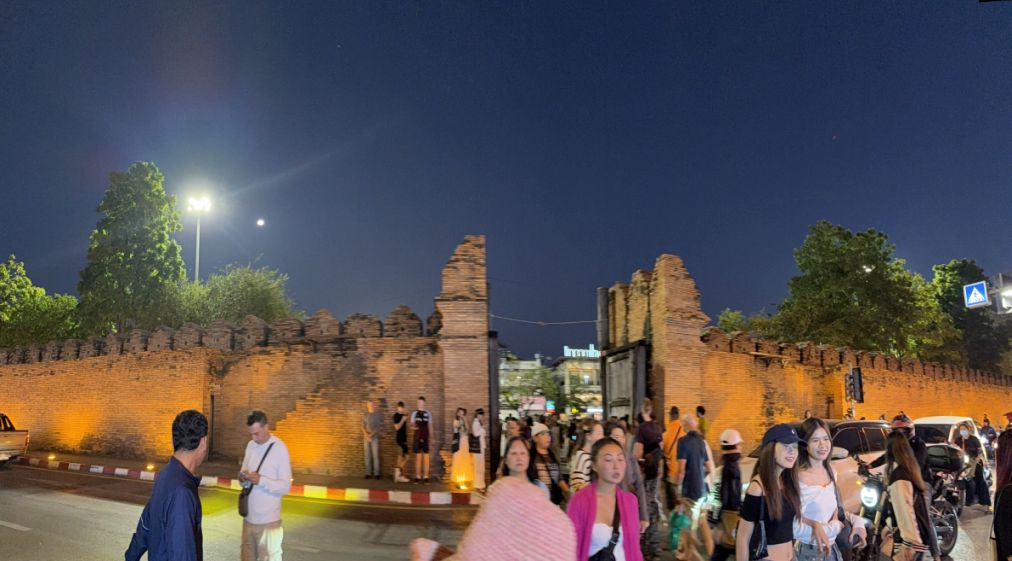
Then stepping outside the old gate "Tha Phae Gate" , we are met with a wide open space filled with people, lights, and energy, making it one of the most iconic and photographed spots in the city.

Dinner at The House by Ginger
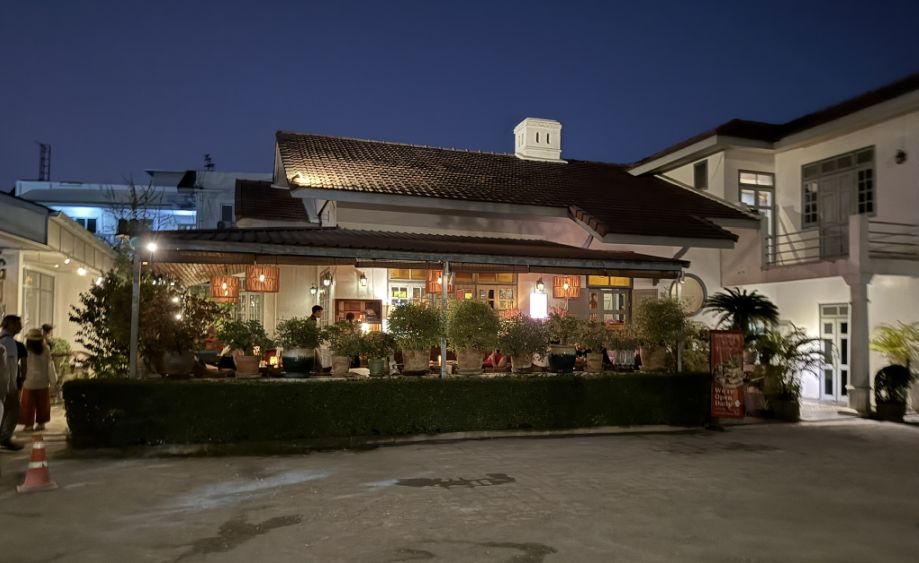
From that lively, bustling atmosphere, arriving at The House by Ginger feels like entering a completely different world. The story of The House by Ginger is closely tied to both the history of the building itself and the vision of its designer and co-founder, Hans Christensen.
This house is a restored heritage residence dating back to 1937, originally a colonial-style Thai mansion located near the old city walls of Chiang Mai. Over time, like many old homes, it aged and lost its original purpose. Designer and co-founder, Hans Christensen saw its potential and chose not to replace it, but to reimagine it as a living, social space, a place that would feel like stepping into someone’s beautifully curated home rather than a formal restaurant.
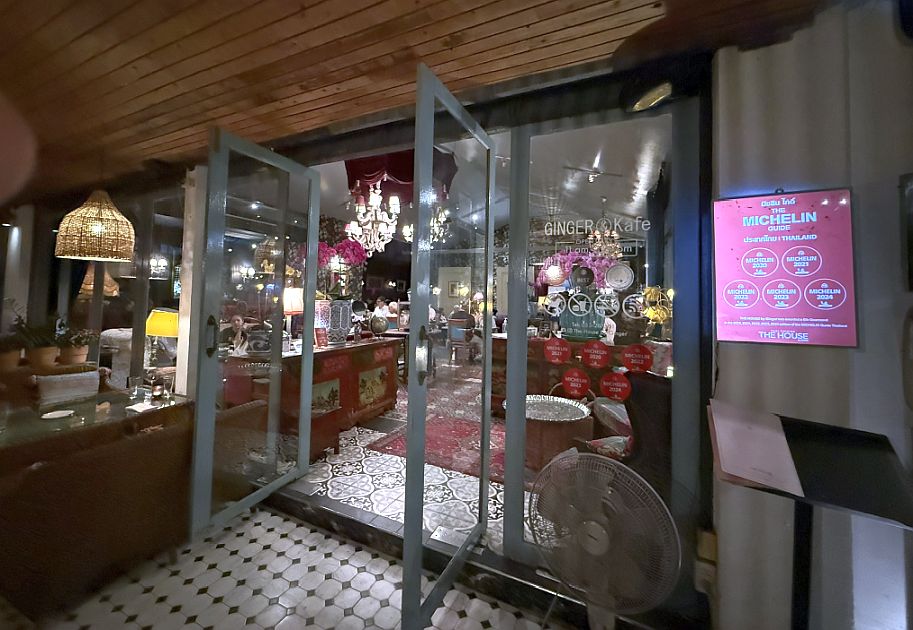
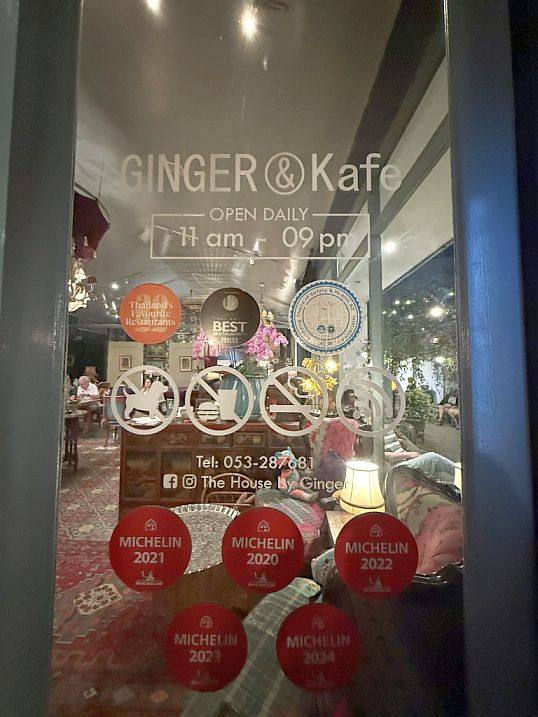
The restaurant is known for its refined take on traditional Thai cuisine and its stylish, design-forward setting, and it is one of the reasons it has earned a Bib Gourmand mention from the Michelin Guide.
 |
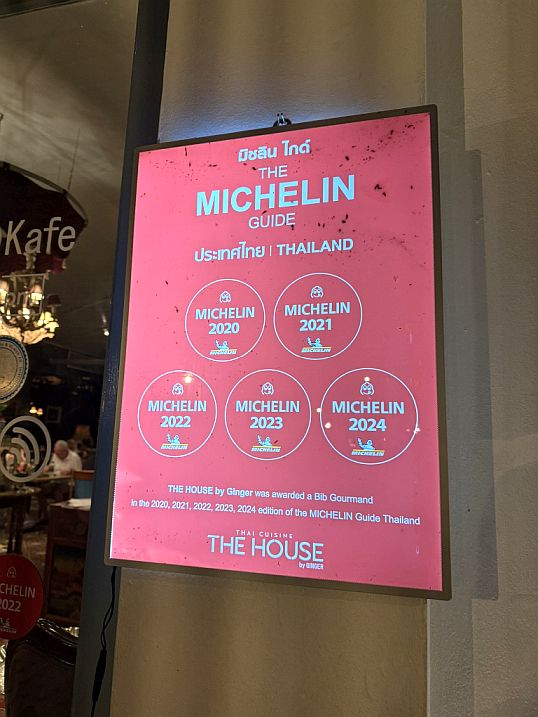 |
The restaurant has been around since 2004, evolving from a design-focused concept into one of Chiang Mai’s most well-known dining destinations. It is especially known for modern interpretations of Northern Thai cuisine, blending tradition with contemporary presentation. High-quality ingredients, including produce from its own Ginger Farm. As for recognition, The House by Ginger has been consistently featured in the Michelin Guide and has held a Bib Gourmand distinction for several consecutive years (since around 2020 to the present). This award highlights restaurants that offer excellent food at good value, which aligns perfectly with its reputation—refined yet approachable dining rather than formal fine dining.
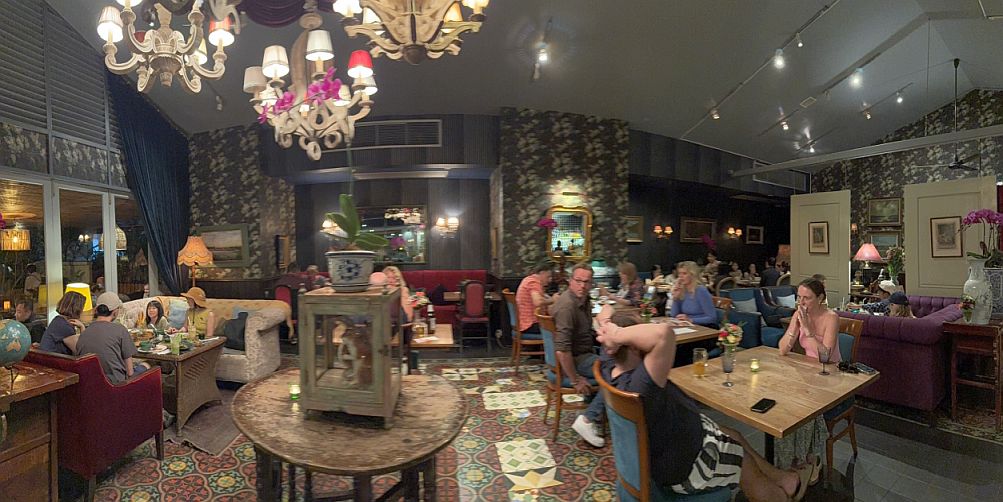
Inside, the space is elegant yet playful, blending vintage Thai elements with modern touches that was design by Hans Christensen. It is not just a meal, but a reimagined home filled with history, design, and hospitality, where the past and present come together in a very Chiang Mai way.
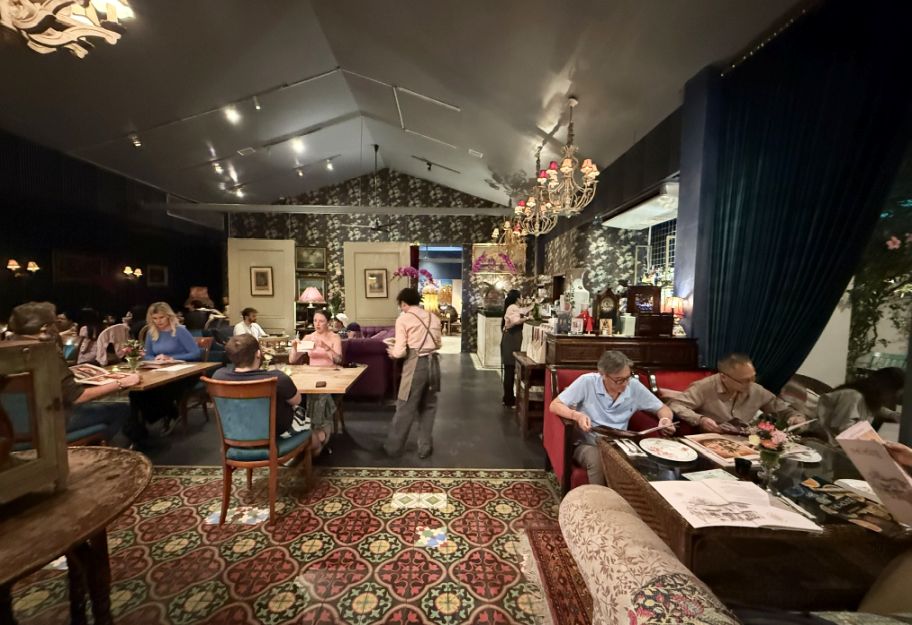
Hans Christensen's idea was to preserve the soul of the house while giving it new life. Instead of stripping it down, he layered it with personality, vintage furniture, bold patterns, floral elements, and a mix of Thai and European design influences. The result is a series of rooms that feel intimate and slightly different from one another, almost like wandering through a stylish private residence. This concept of turning an old house into a place where people gather, eat, and feel at home became the identity of The House by Ginger and even inspired later projects.
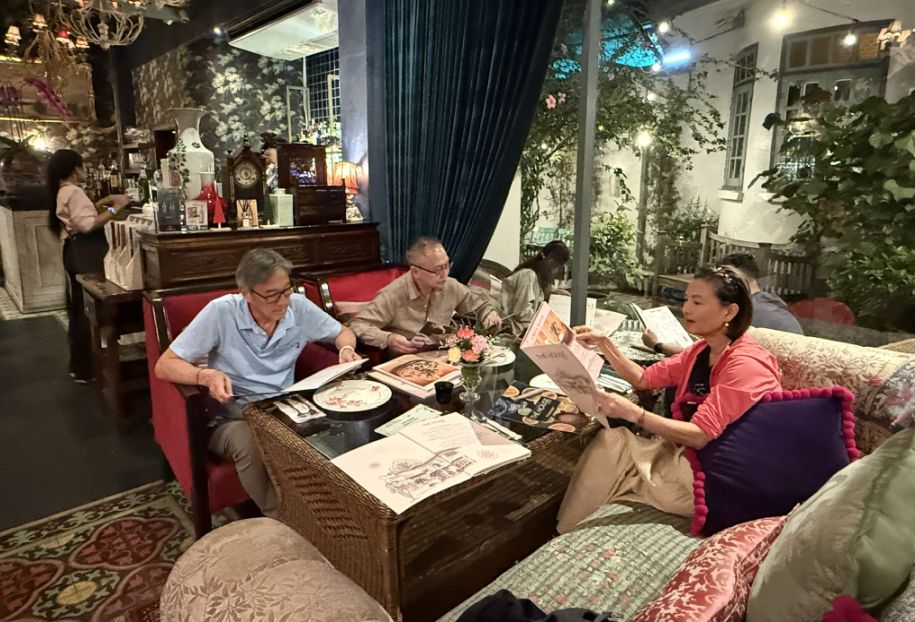
Sitting by the window, we get a softer, more relaxed perspective of the evening, slightly removed from the crowd outside.
 |
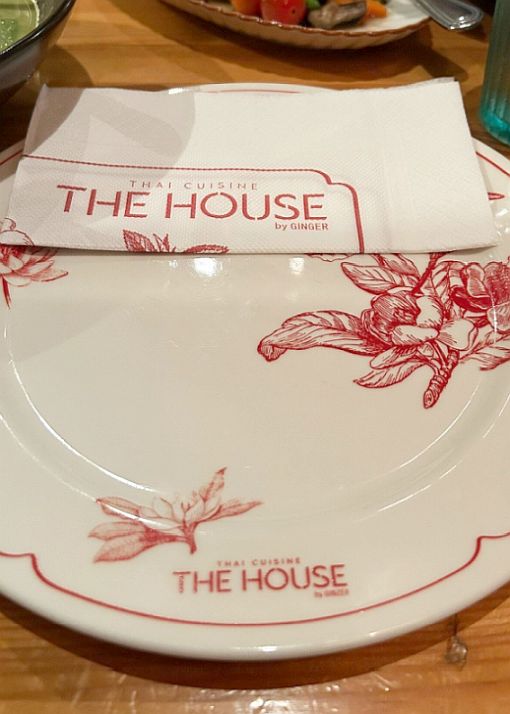 |
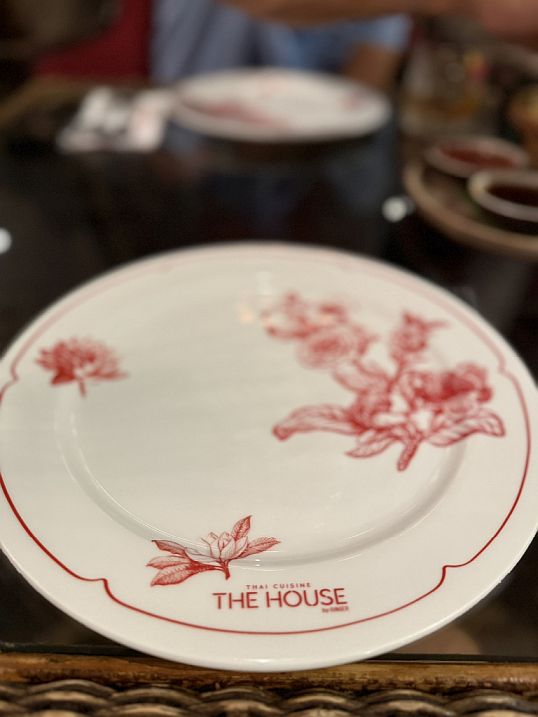
The décor is carefully curated with bold patterns, floral motifs, and a signature red-and-white color palette that carries through even to the plates, which are beautifully designed with the restaurant’s name and delicate flower patterns.
 |
 |
The menu
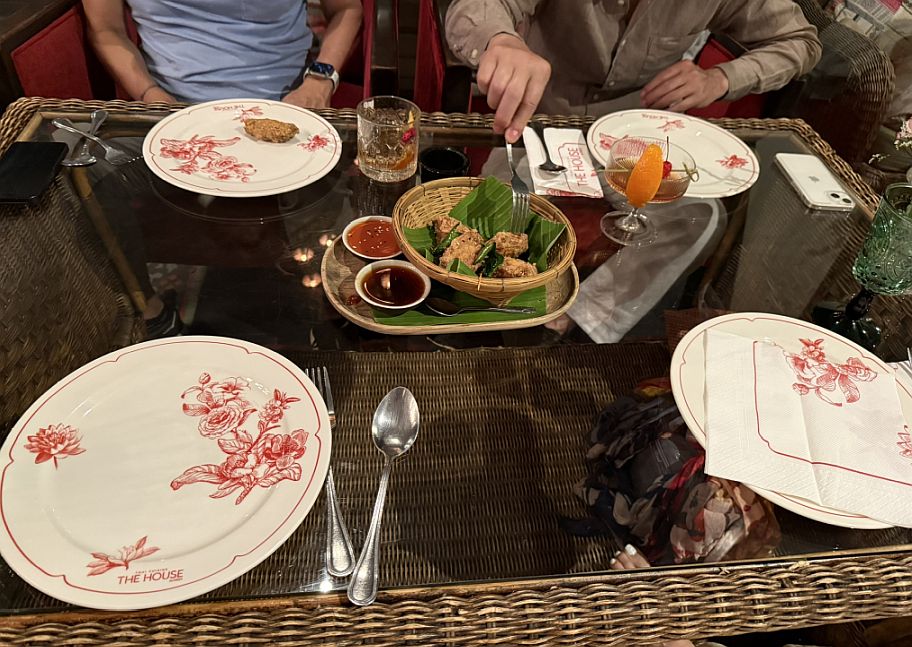
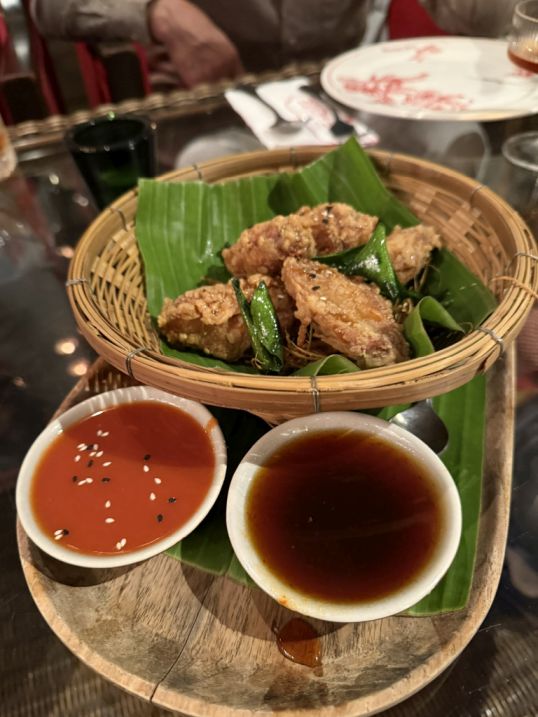
We began with crispy deep-fried chicken wings paired with a rich caramelized fish sauce dip.
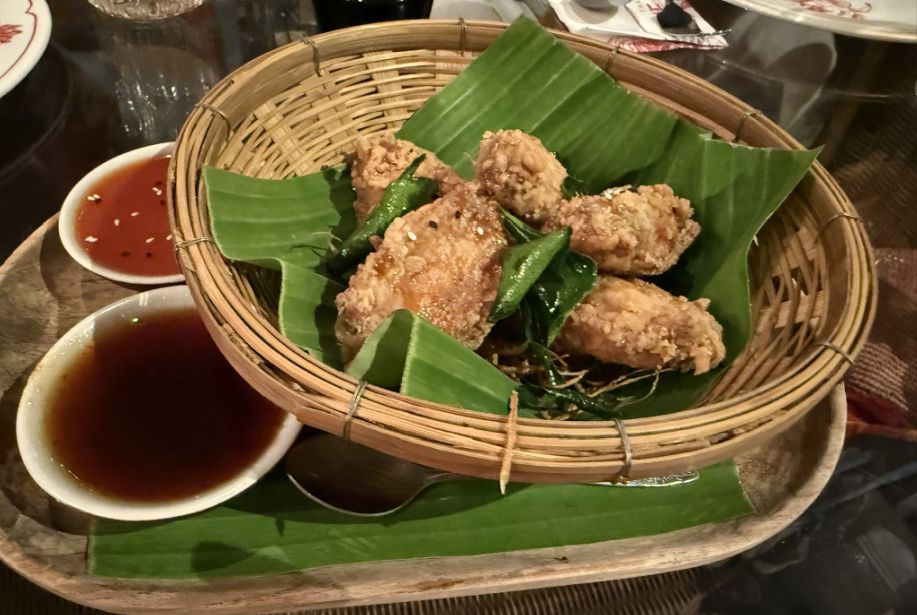
It was crispy, sweet, salty, and deeply savory, a perfect introduction to Thai flavor layering.
 |
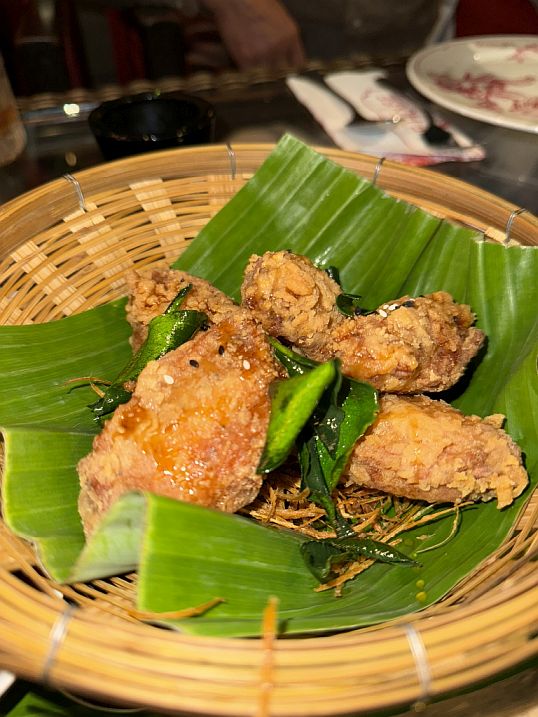 |
Beautiful presentation.
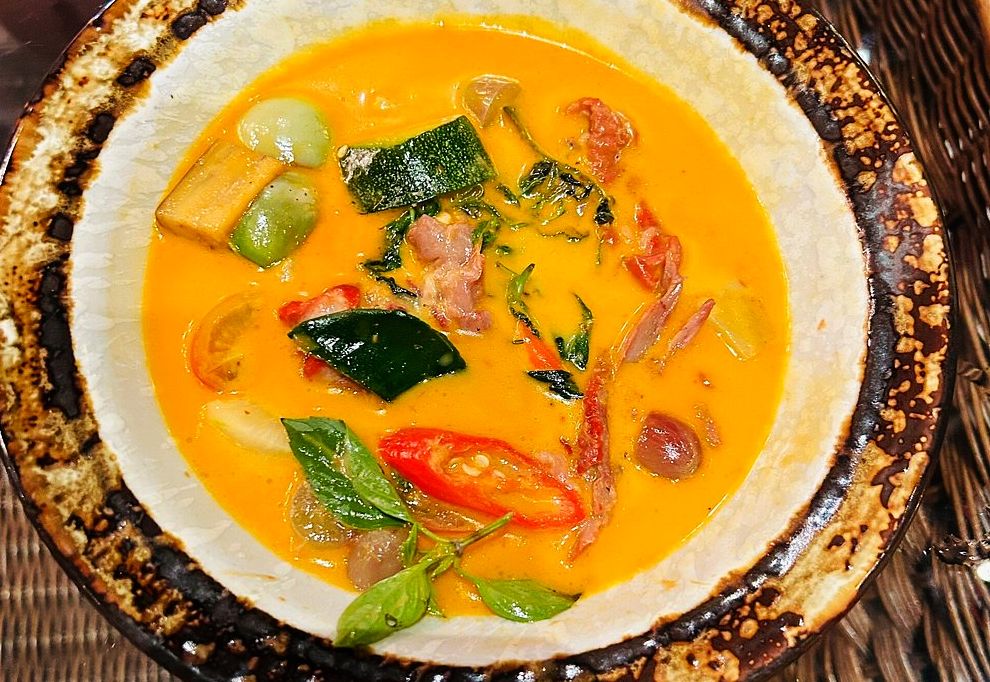
Red curry with chicken followed, warm and aromatic with coconut milk, herbs, and spice, offering a comforting depth.
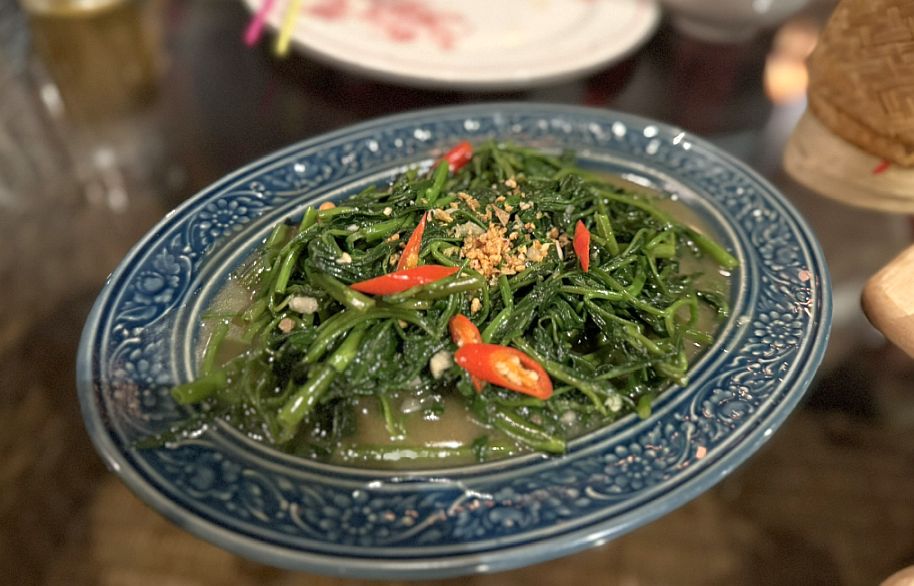
The sautéed morning glory with garlic and Thai chili brought a fresh, slightly crunchy contrast, simple yet packed with flavor.
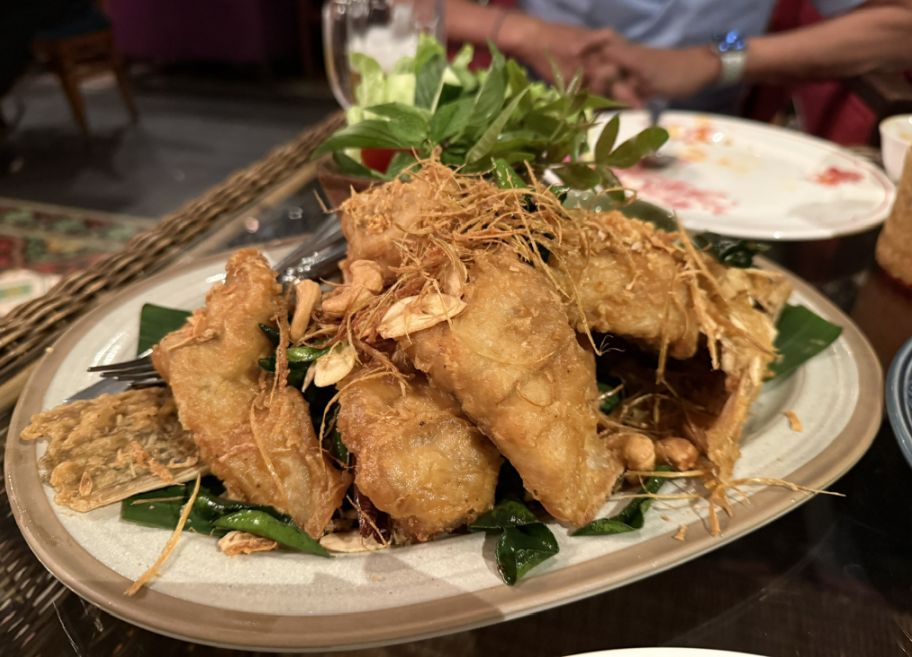
The meal continued with a standout dish: the deep-fried sea bass, crisp on the outside yet tender inside, enhanced by fish sauce and topped with crispy herbs, then brightened by a tangy, spicy salad dressing that cut through the richness
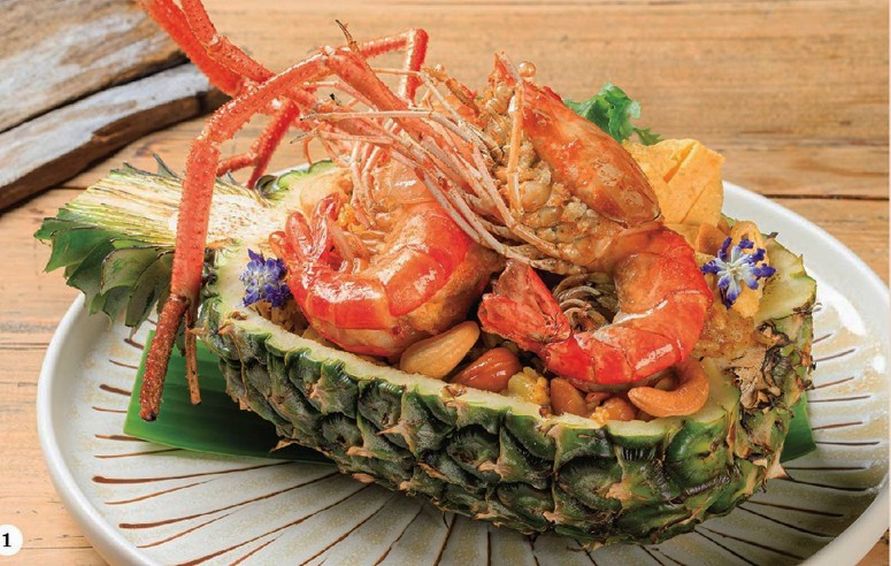
The pineapple fried rice with river prawns added a touch of sweetness and fragrance, each bite dotted with juicy prawns and tropical notes.
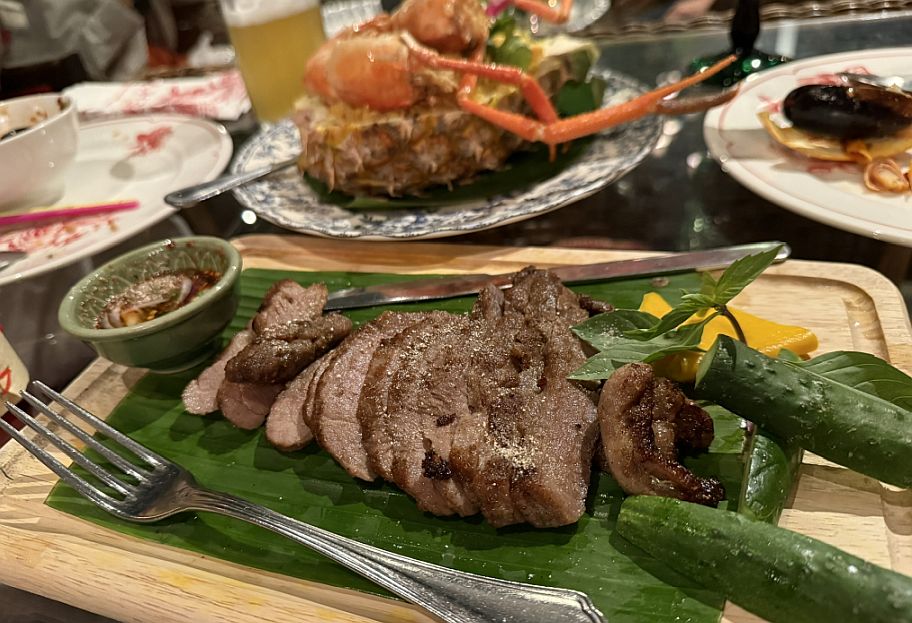
The grilled pork jowl, smoky and succulent, paired beautifully with the bold and slightly spicy jaew dip, adding a Northern Thai touch to the table.
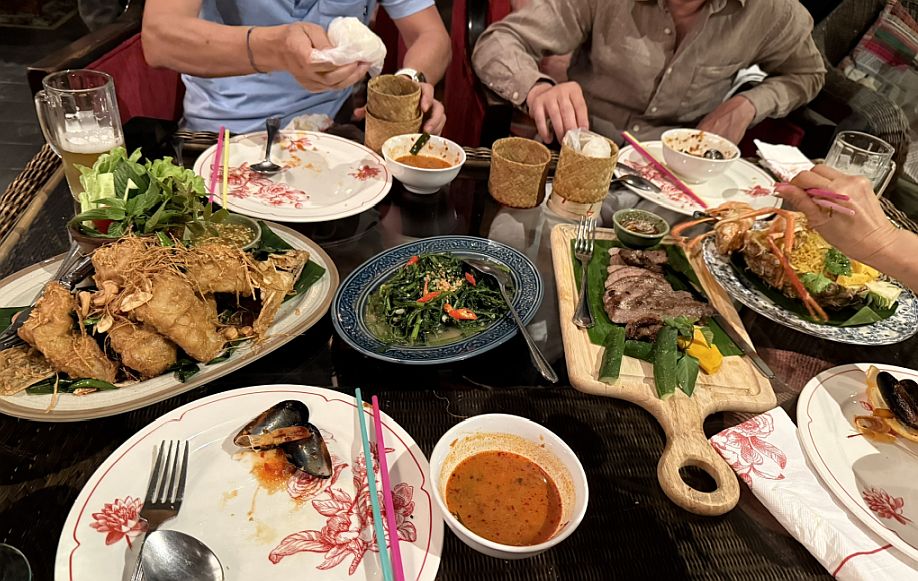
Dinner at The House by Ginger turned into a beautifully balanced feast, showcasing both bold flavors and refined presentation.
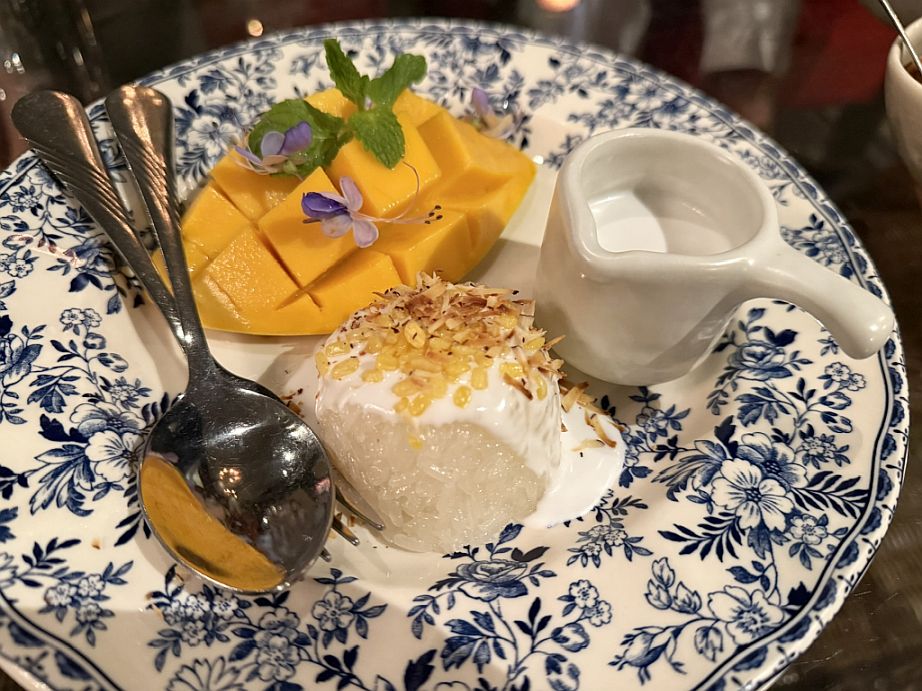
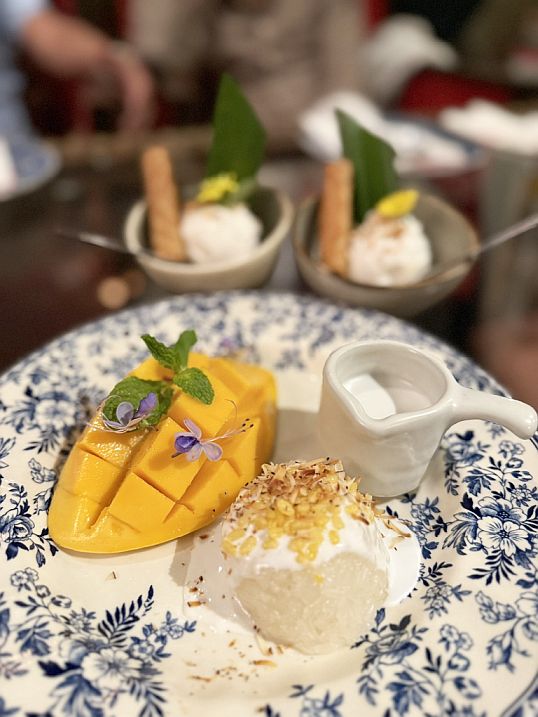
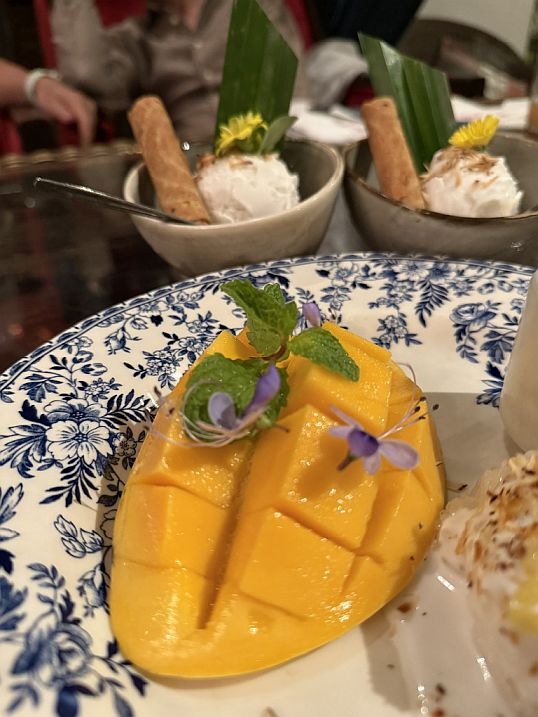
For dessert, we ended on a high note with the iconic mango sticky rice, perfectly ripe mango served with a warm sweet coconut-infused rice, and drizzled
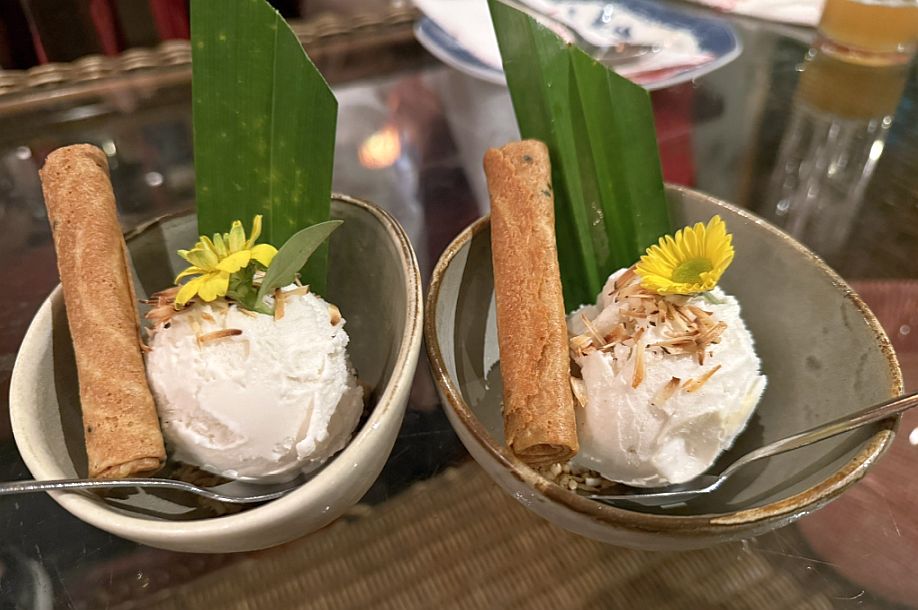
Coconut ice cream served with delicate rolled crispy crepes, adding both texture and a light, refreshing finish.
 |
 |
Altogether, it was a meal that felt abundant yet thoughtful, combining traditional Thai dishes with the restaurant’s signature elegance and attention to detail.
NEXT... Day 7- Chiang Rai guided tour
Filed under: Restaurants