3 weeks in Bali, Indonesia- 5/28- 6/15/2024
|
Uluwatu |
Canggu &
surroundings |
Ubud & surroundings |
Sidemen/Amed |
Nusa Penida |
Day 13- Rice field, Sidemen-6/8/2024
Sidemen is a quiet, rural valley in eastern Bali, known for its lush landscapes and strong connection to traditional Balinese life. Surrounded by rice terraces, rivers, and forested hills, the area feels slower and more intimate than the busier parts of the island. Unlike coastal Bali, Sidemen attracts visitors who are drawn to nature, walking trails, and cultural immersion rather than nightlife. Staying here offers a glimpse into a more traditional rhythm of Bali, where daily life blends agriculture, spirituality, and community, and where the landscape feels deeply lived in rather than staged for tourism.
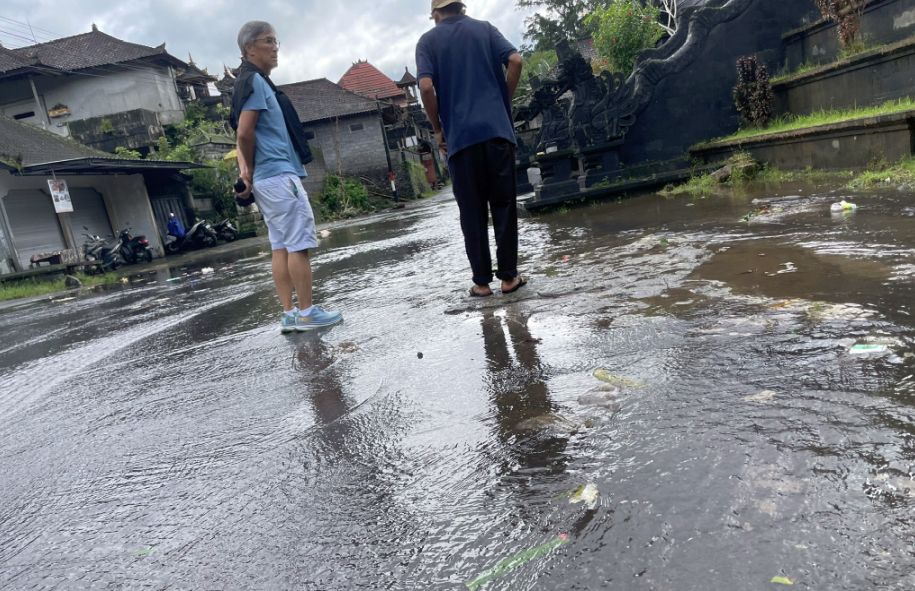
This morning, we met our tour guide in the lobby of Alamdhari Resort and Spa to begin a walking tour through the rice fields of Sidemen. It had rained all night, so instead of heading straight into the fields, he led us through nearby streets that were still flooded in places.
 |
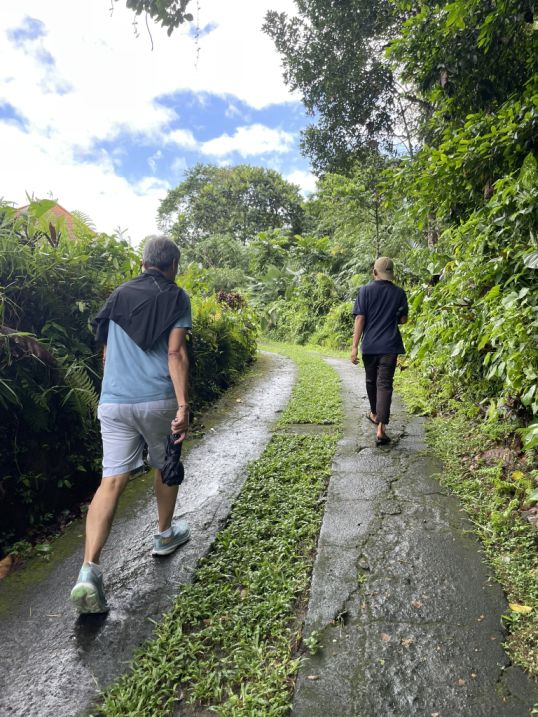 |
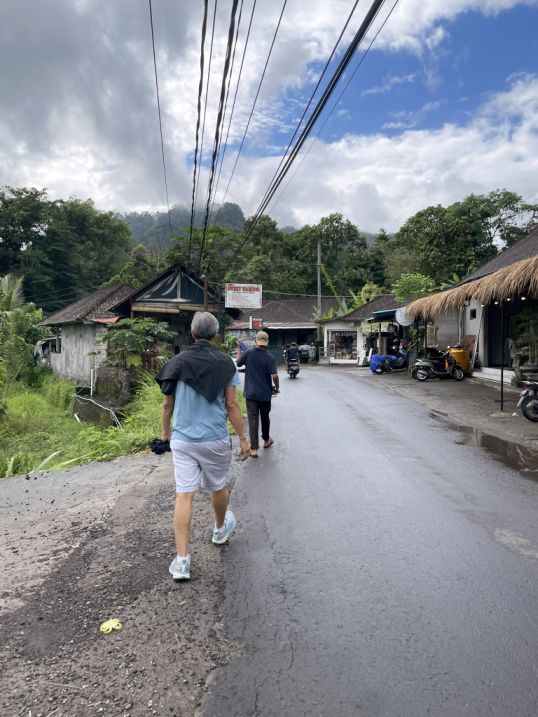
We carefully made our way past quiet houses, before eventually reaching a road leading to the fields.
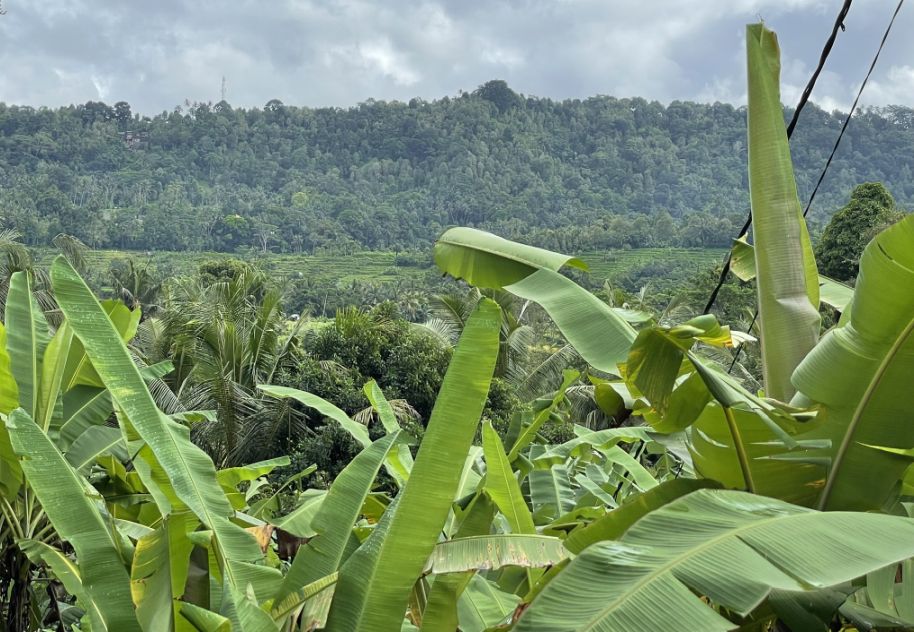
As we walked along the road, I noticed rows of banana trees lining the way, their broad green leaves heavy with rain. In the distance, a mountain blanketed in dense trees rose quietly through the mist.
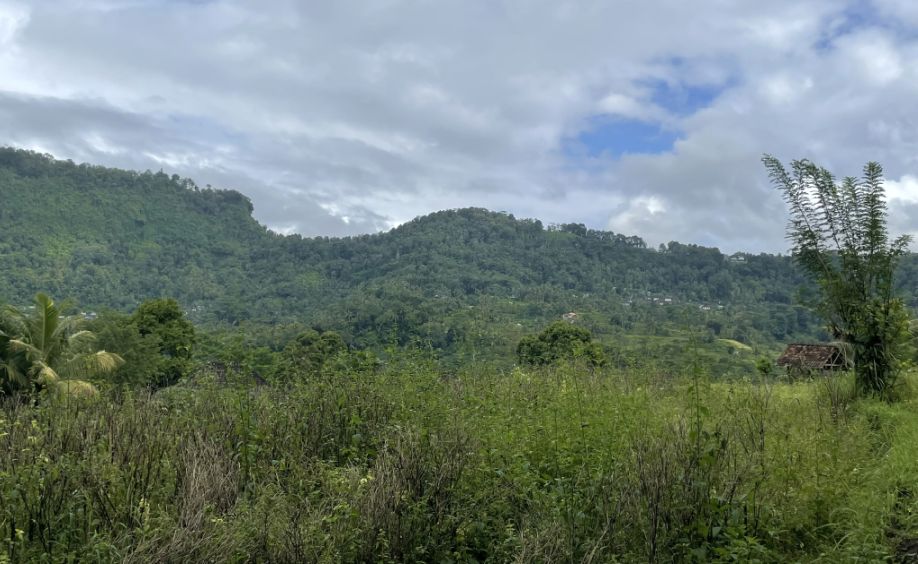
We passed by a field of pepper plants growing neatly beside the dirt path.
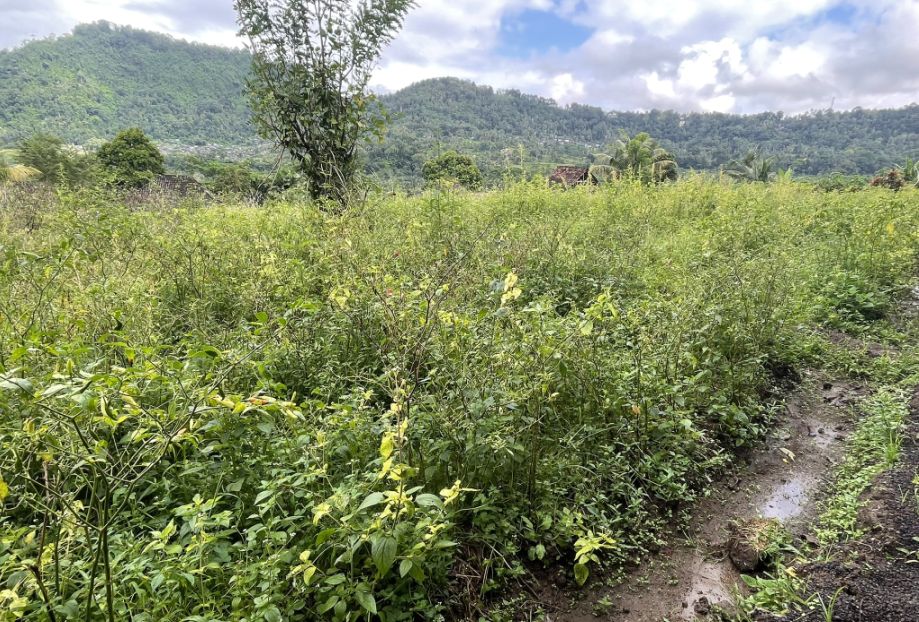
Their vines and leaves thriving in the damp soil, adding texture and life to the already lush landscape.
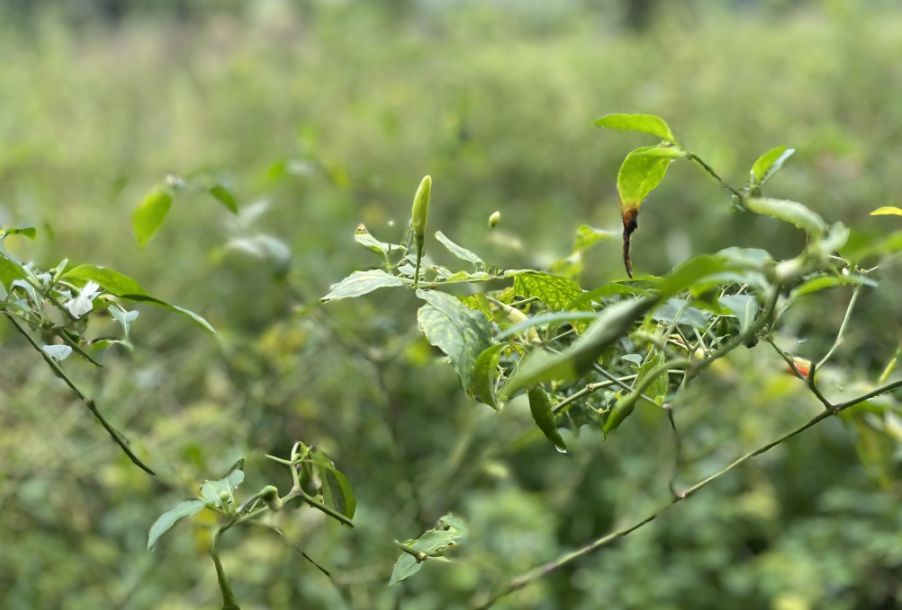
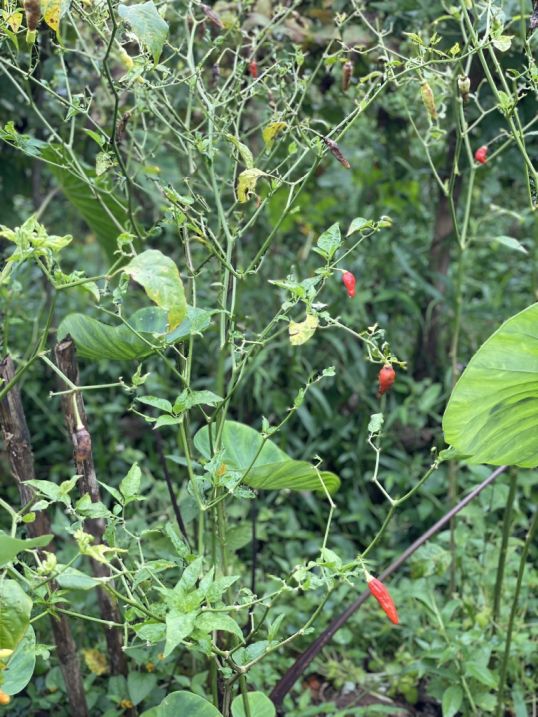
Farmers often plant peanuts, peppers, pineapples, and other crops alongside rice fields as part of a traditional mixed-farming system that makes the most of both land and water.
 |
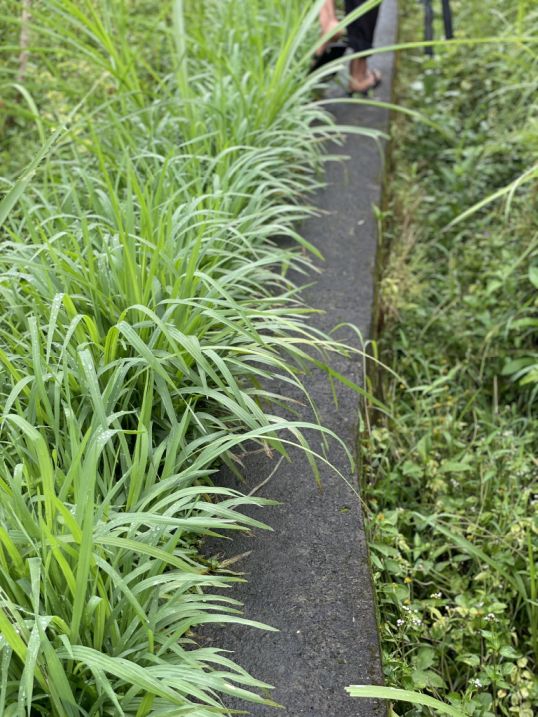 |
Walking along the fields you see different crops together also helps protect the soil.
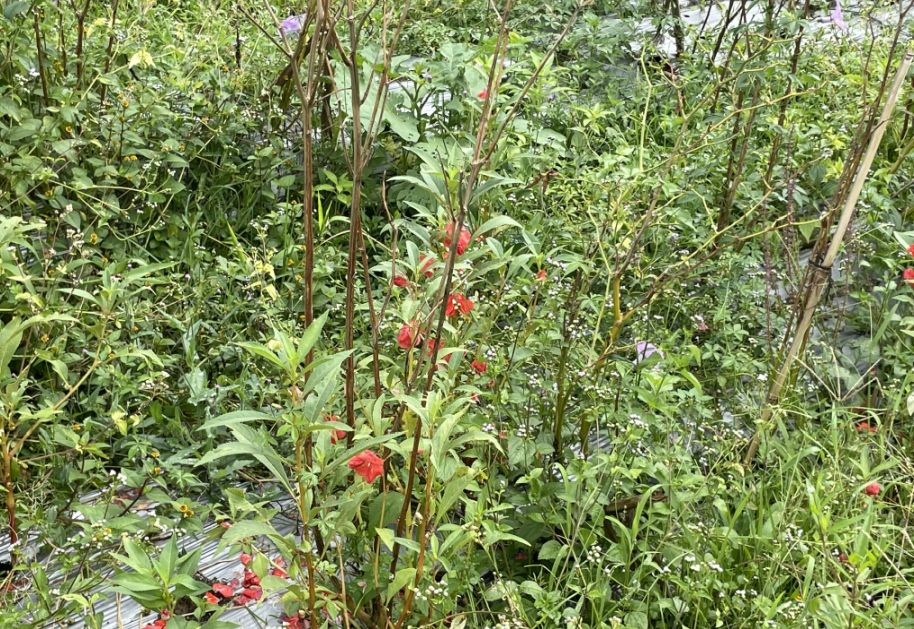
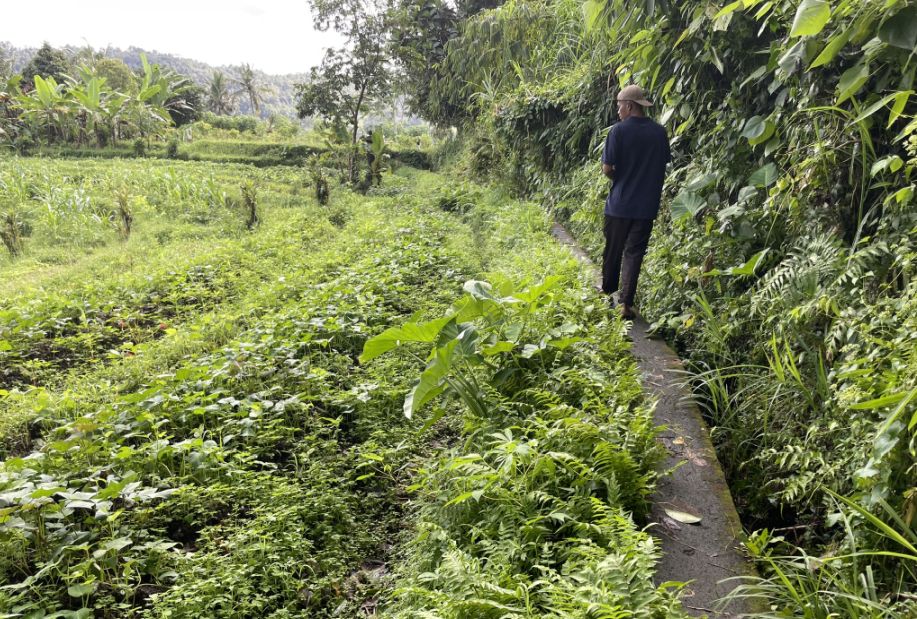
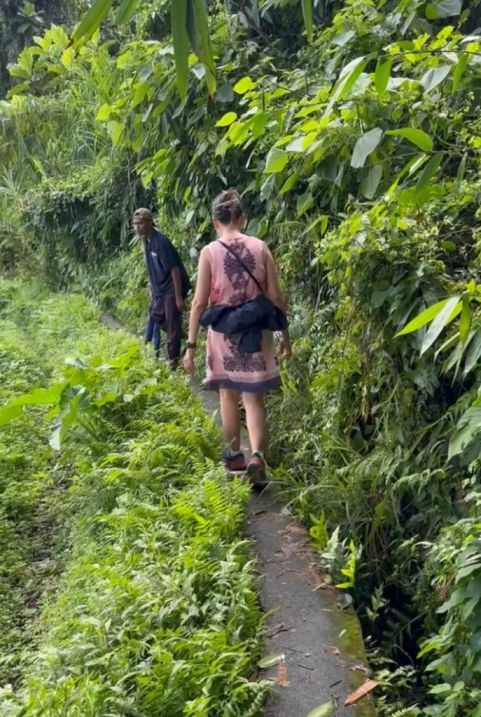
Rice paddies need a lot of water, but not all crops can tolerate being flooded. The edges of the fields and the slightly higher ground along paths and embankments stay drier, making them ideal for crops like peanuts, peppers, and pineapples. This allows farmers to use every part of the land efficiently without interfering with rice cultivation.
 |
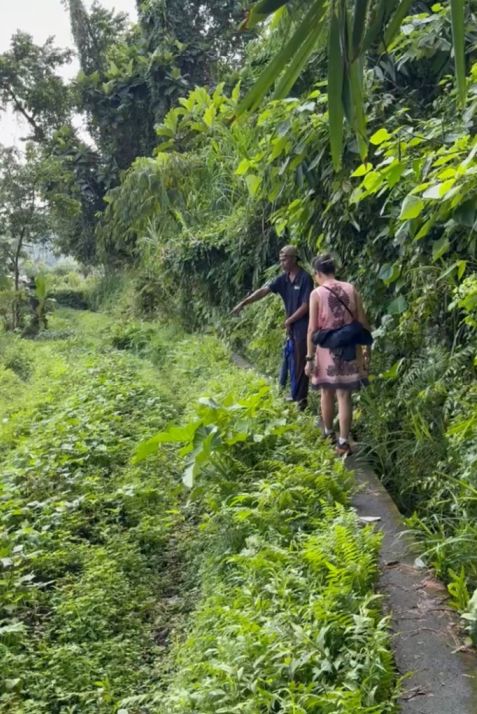 |
Our guide showing me a field of peanut crops.
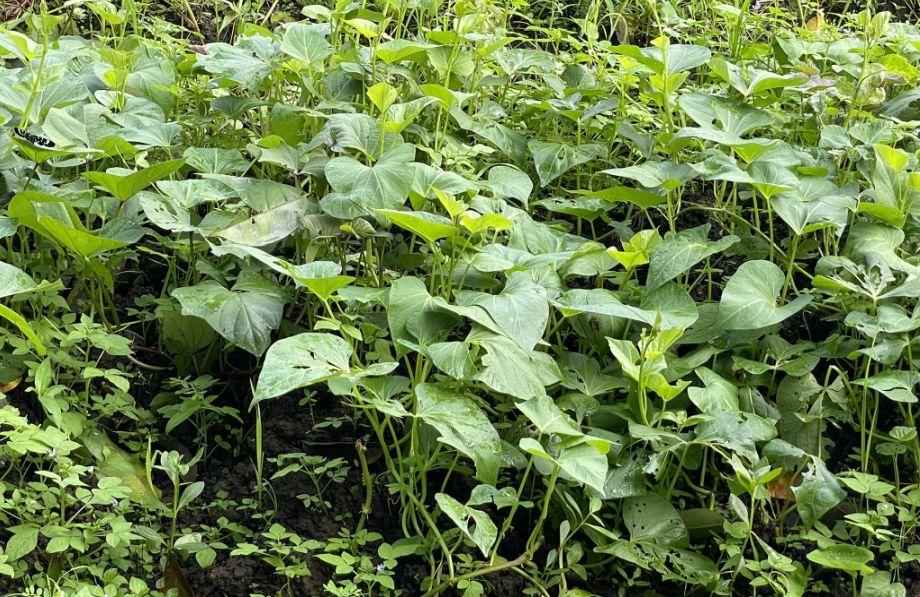
Peanuts plants naturally add nitrogen back into the soil, improving fertility for nearby plants. The variety of crops reduces erosion along the field edges and helps prevent pests and diseases from spreading too easily, since insects are less likely to thrive in a diverse planting environment.
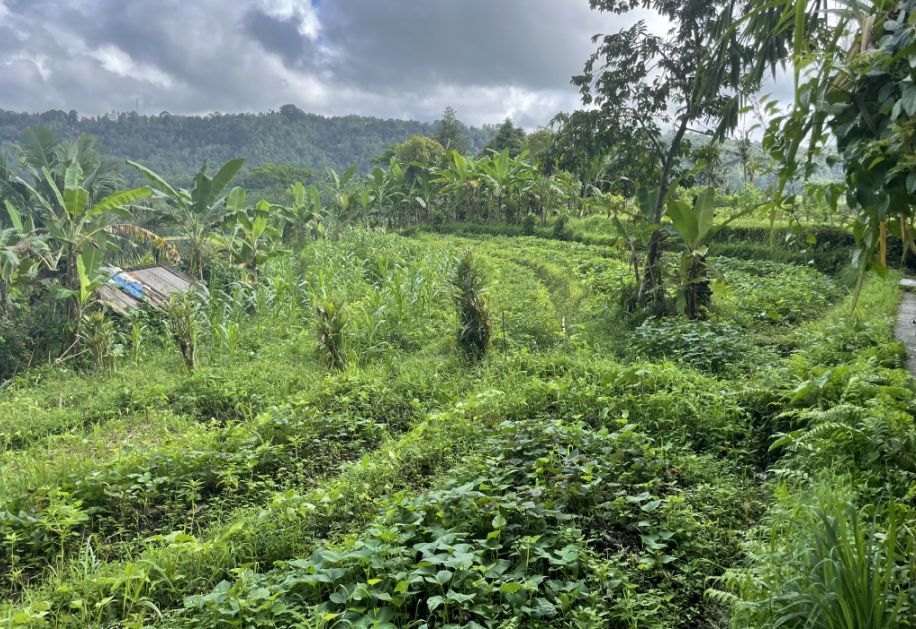
Here you see peanut crops, corn crops, and many more...
 |
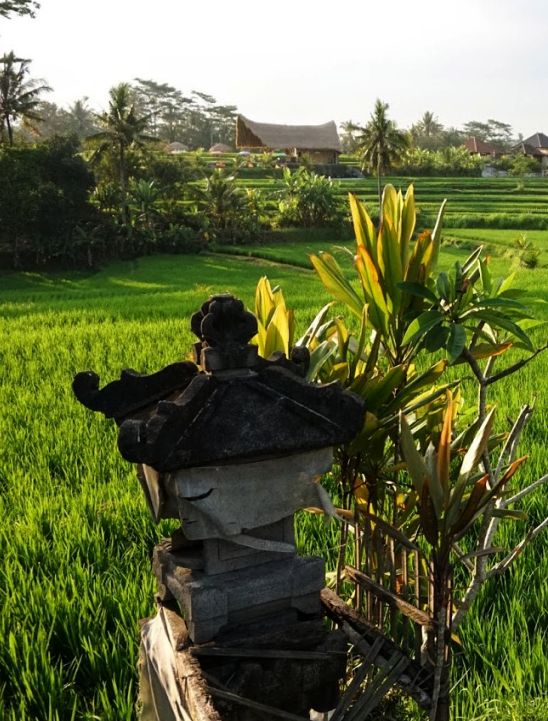 |
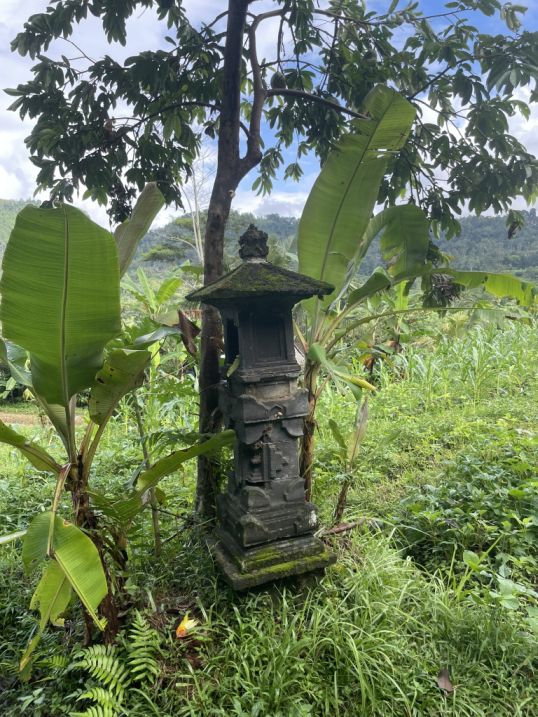
Along the way, I noticed small altars placed on each plot of land. Our guide explained that these shrines are an important part of daily farm life.
Farmers often bring daily offerings here—small woven palm-leaf trays filled with flowers, rice, and incense. to express gratitude and to ask for balance, protection, and a good harvest. These offerings are made not only to honor the gods but also to show respect to the land itself. In this way, farming in Sidemen is not just agricultural work; it is closely tied to spirituality, with each field treated as a living space that deserves care, thanks, and harmony.
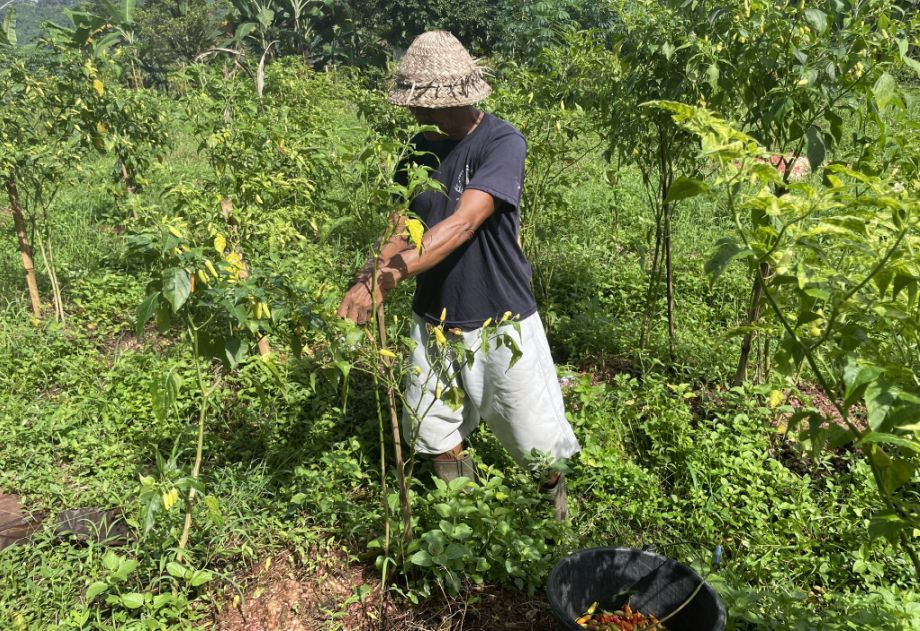
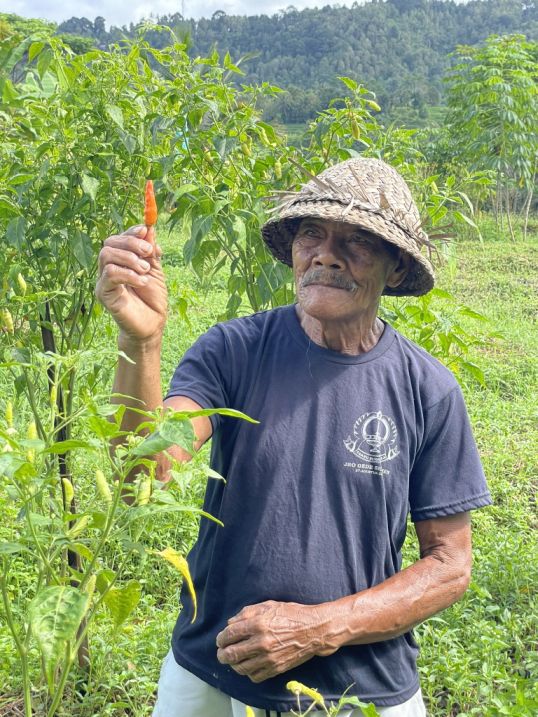
A farmer harvesting red peppers.
 |
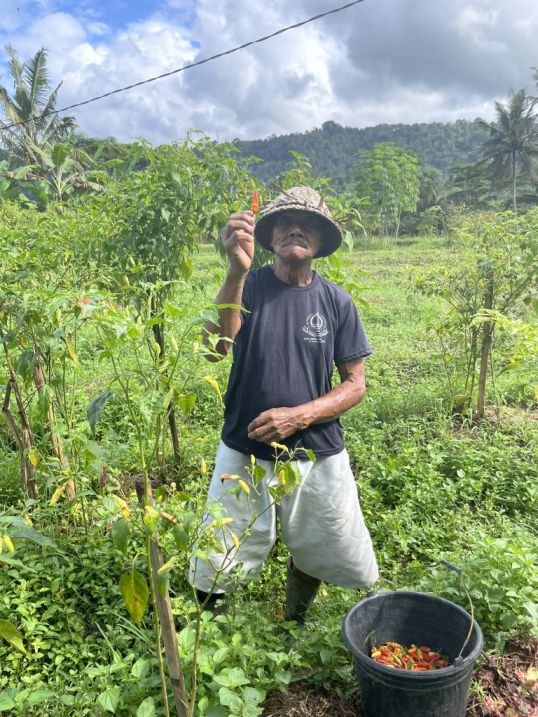 |
These crops provide both food and income beyond rice. Peppers and pineapples can be harvested at different times of the year, giving farmers a steadier source of produce and cash between rice harvests. Together, this intercropping creates a resilient, sustainable farming system that fits well with the rhythm of life in rural Bali.
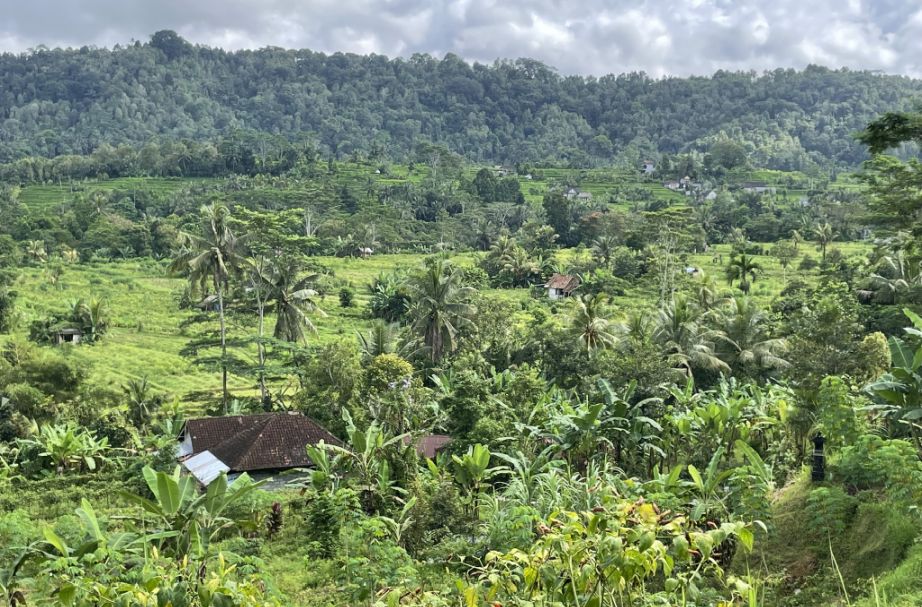
In Sidemen it is very common for farmers to live close to their fields, and the scattered houses in this area are a reflection of that.
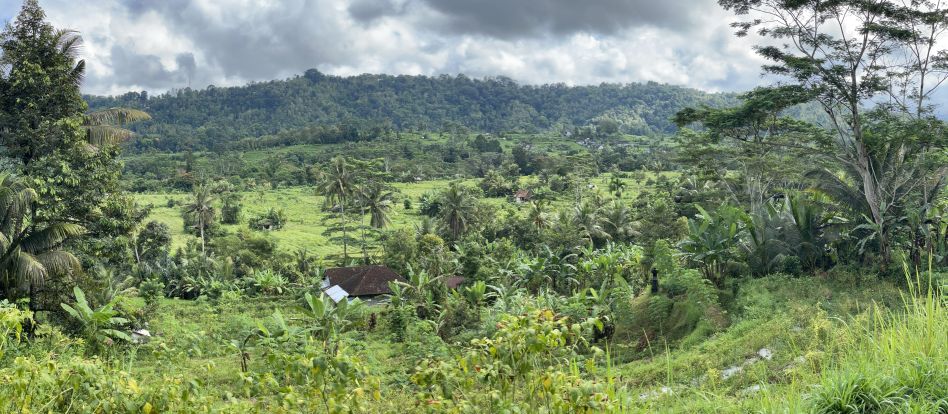
Unlike more densely built villages, homes in rural areas like Sidemen are often spread out along paths, irrigation channels, and field edges. Living near the rice fields allows farmers to tend their crops easily, checking water levels, making offerings at field shrines, and responding quickly to weather changes or pests, especially during the planting and growing seasons.
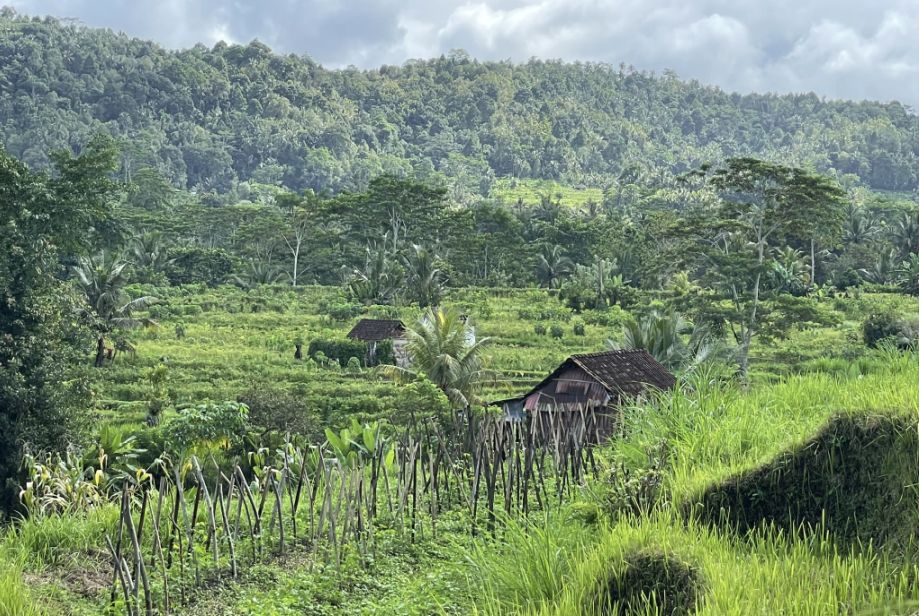
Life in Sidemen still revolves around farming, craft, and ceremony. Rice cultivation follows the ancient subak irrigation system, and it’s common to see farmers tending fields, making offerings at small shrines, or harvesting crops by hand. The village is also known for traditional weaving, especially songket and endek textiles, which have been passed down through generations.
 |
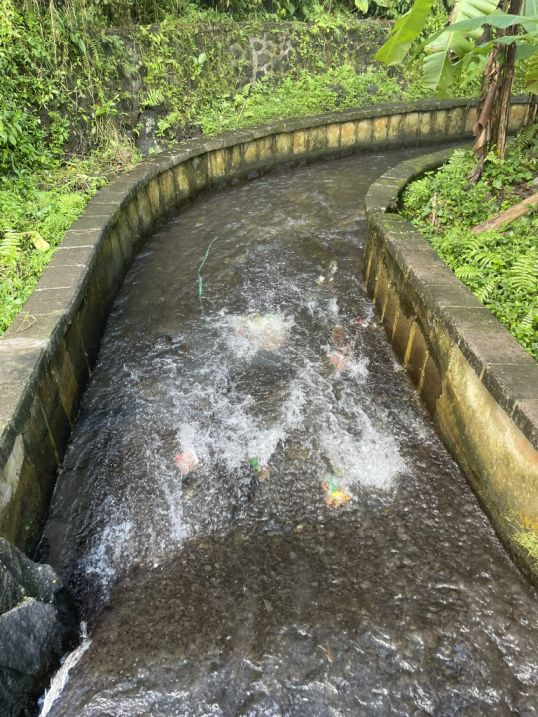 |
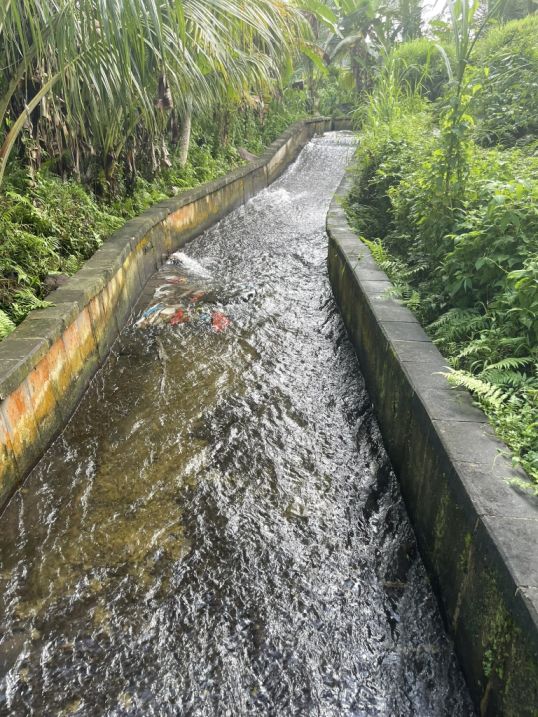
Subak irrigation system.
 |
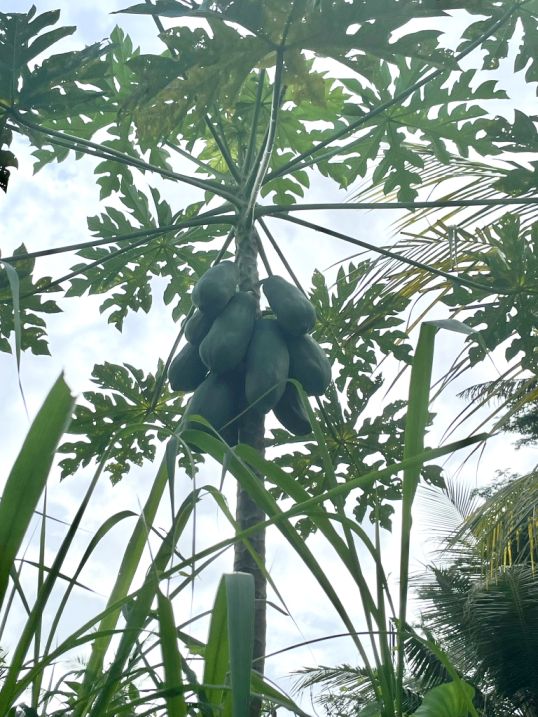 |
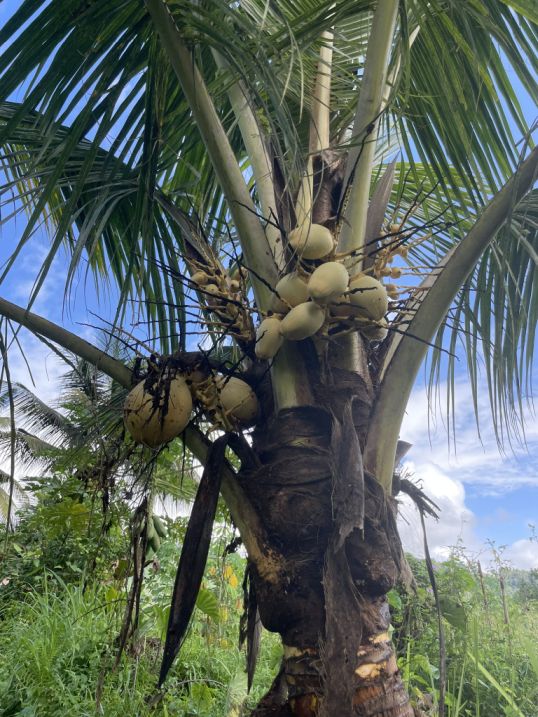
A coconut tree and a papaya tree growing on the field.
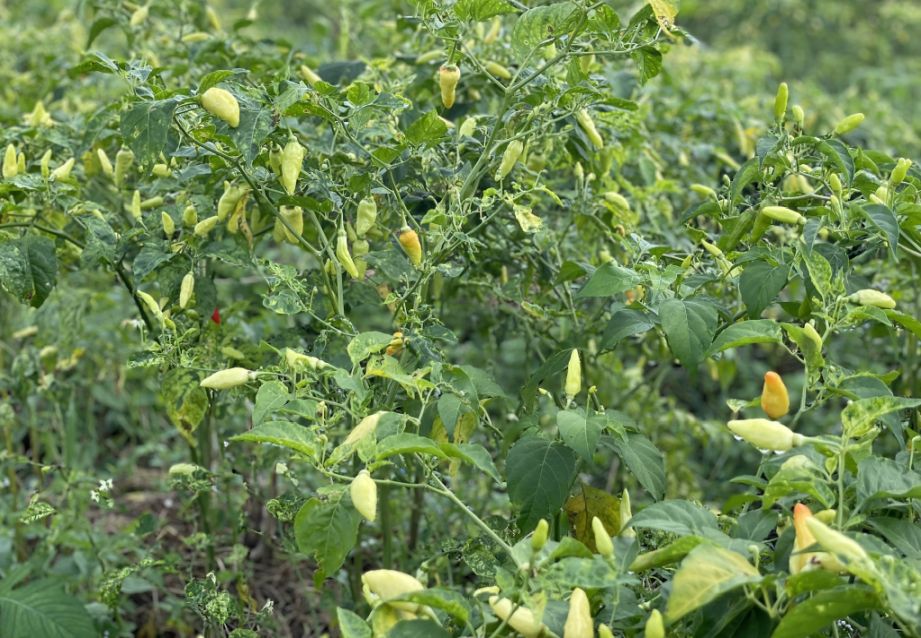
Another field with peppers. These green peppers are often harvested first. They are firmer, less spicy, and can be picked earlier, which allows farmers to sell more frequently and reduce the risk of loss from pests or heavy rain.
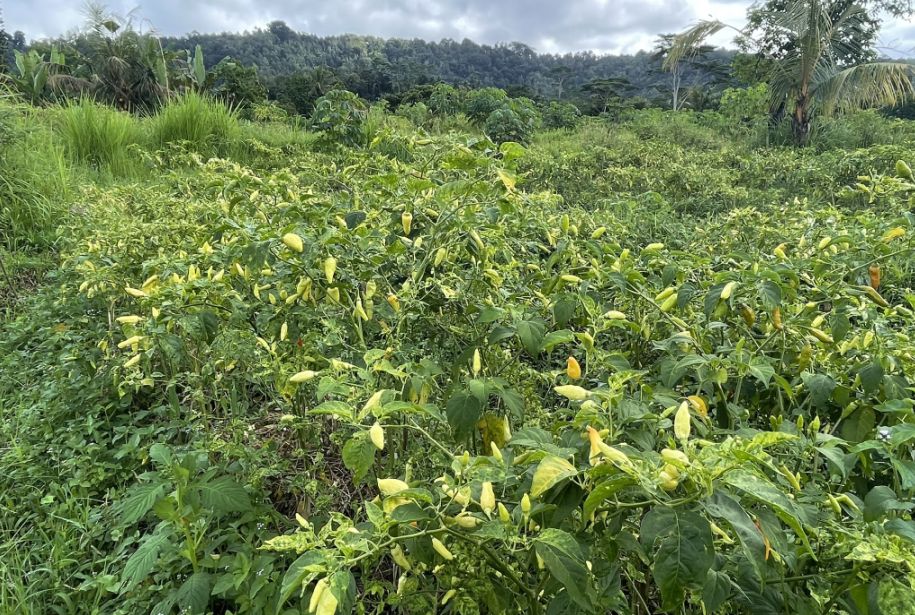
Yellow or orange stages are less commonly targeted but may be harvested if buyers request them or if farmers want to stagger their harvest.
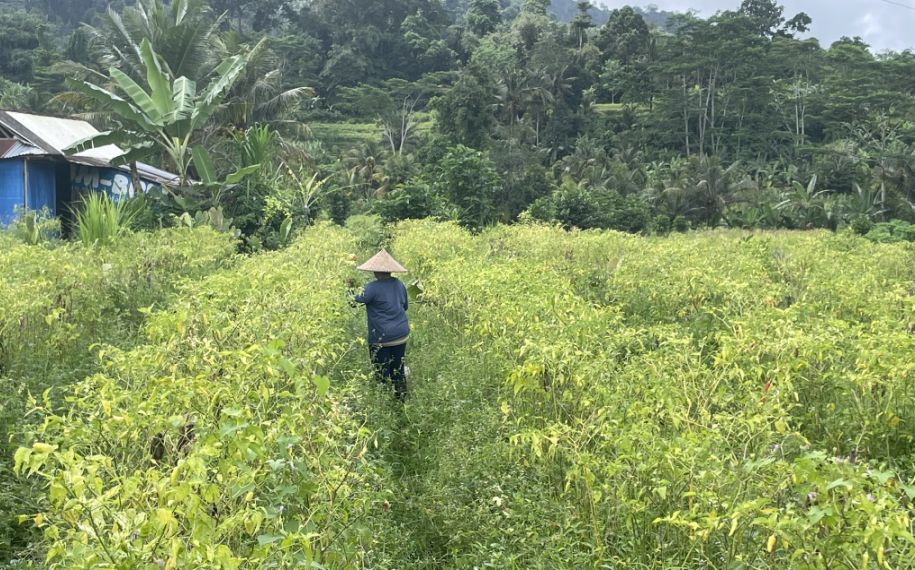
A farmer picking green peppers. As for income, pepper crops do help support the family, but they are usually not the sole source of income. Peppers can bring good money when market prices are high, especially for red chilies, which are essential in Balinese and Indonesian cooking. However, prices fluctuate a lot, and yields can be affected by weather and pests.
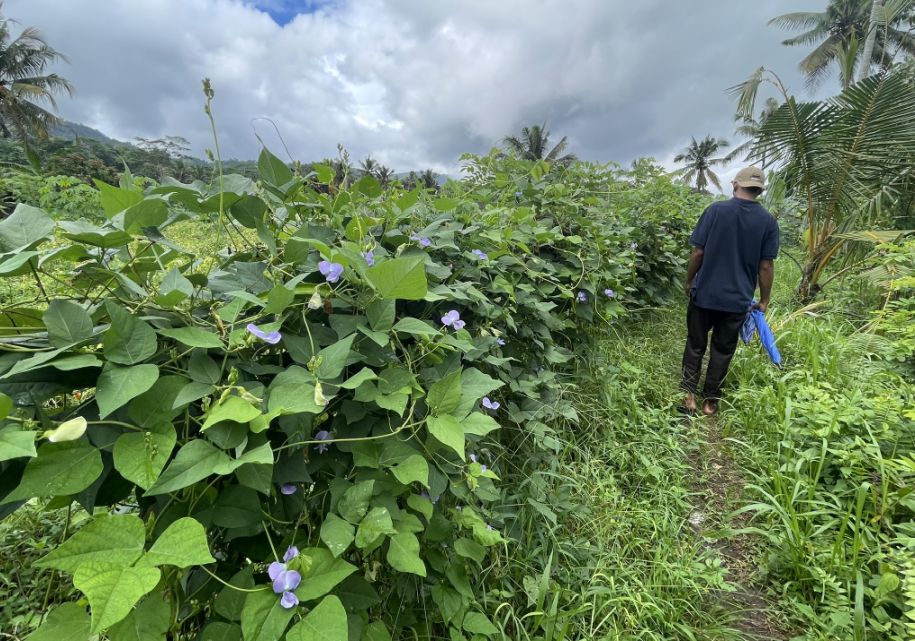
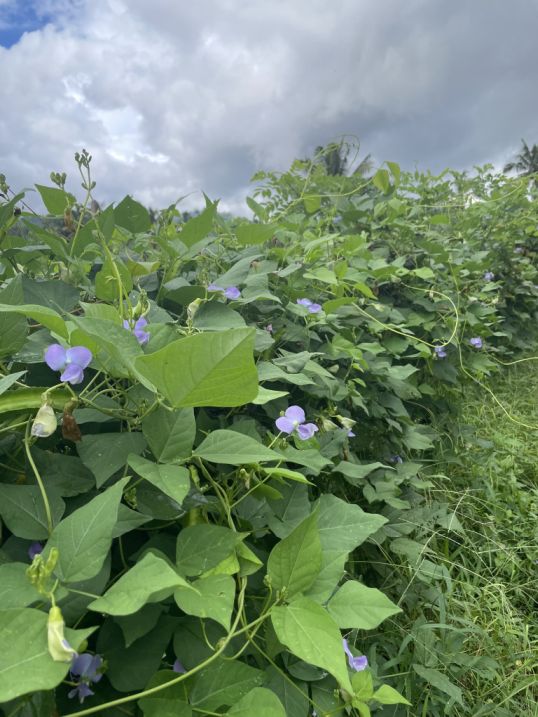
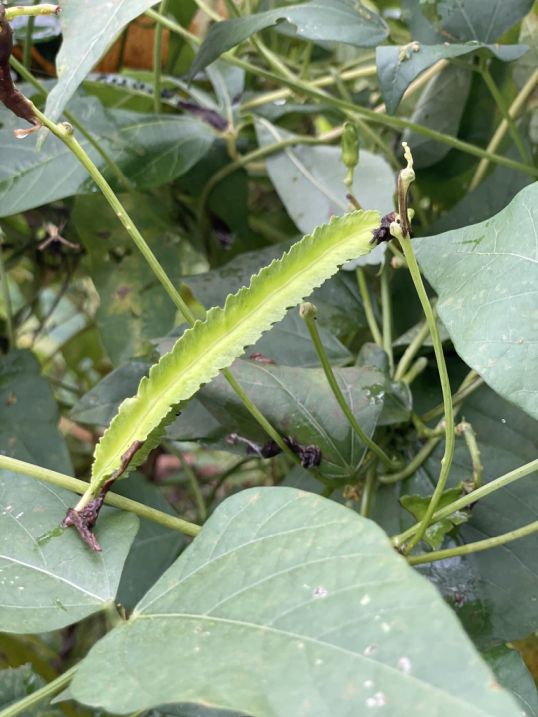
We walked by a row of winged beans that are very common and much-loved plant in Bali and across Indonesia, so it’s not surprising to see them growing along the paths in Sidemen. The plant is easy to recognize by its climbing vines, bright purple flowers, and the distinctive pods with frilly “wings” along the edges.
 |
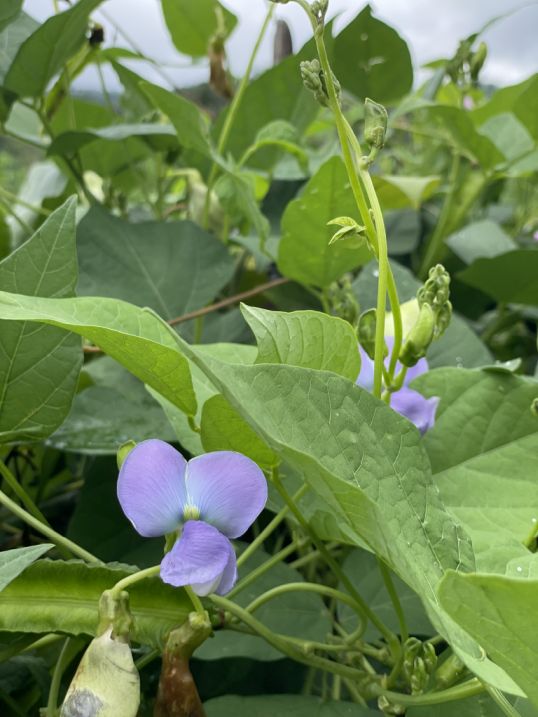 |
They are popular because almost the entire plant is edible. The young pods are the most commonly used part and are harvested while still tender. The leaves, flowers, and even the roots can also be eaten, making the plant very practical for small farms. Winged beans grow well in tropical climates, don’t require much space, and can climb fences or simple supports along field borders.
 |
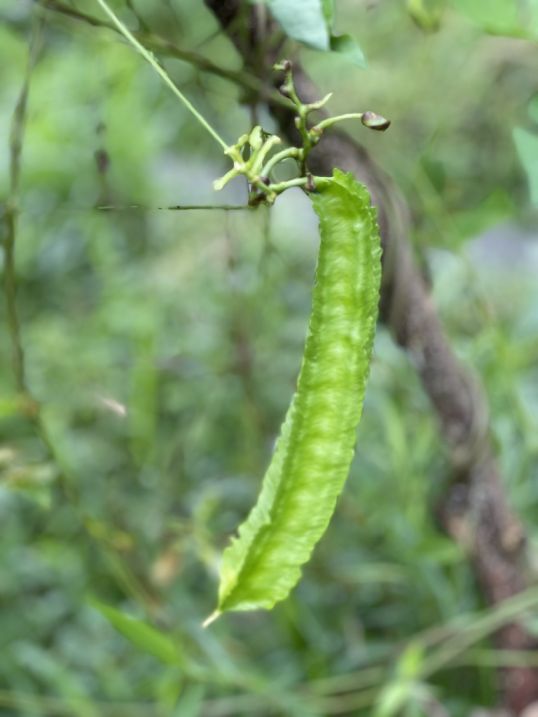 |
In Balinese food culture, winged beans are known locally as kecipir, and are frequently used in everyday cooking. Because they are nutritious, high in protein, fiber, and vitamins, winged beans are valued both as a household food and as a small cash crop. While they don’t usually bring in as much income as peppers, they contribute to food security and reflect the Balinese approach to farming: growing useful, resilient plants that feed the family and fit naturally into daily meals and local traditions.
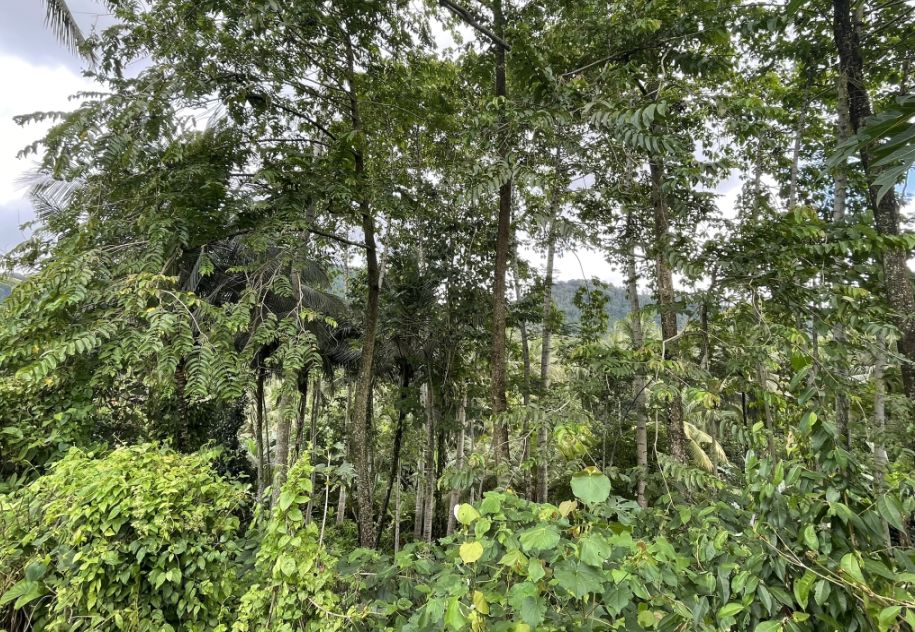
The area is so lush.
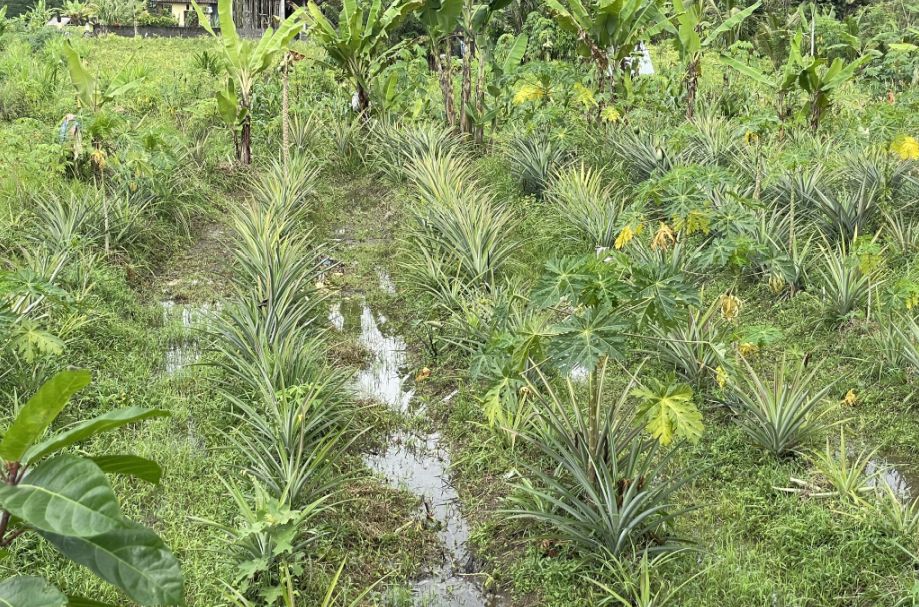
Pineapple crop and banana trees.
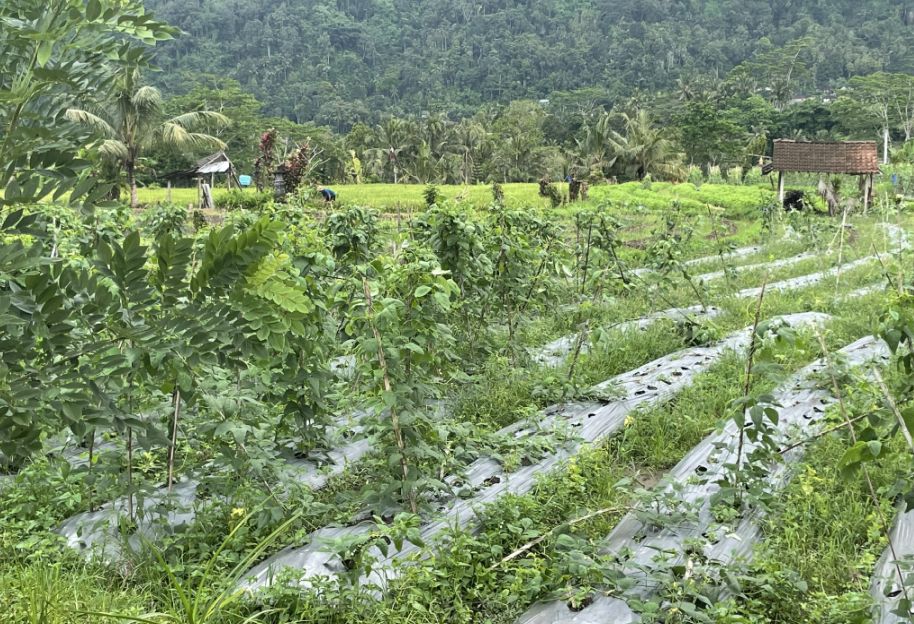
This very common farming technique called plastic mulch, and it’s used widely in places like Sidemen. Farmers lay plastic sheets over the soil and cut or burn small holes where each plant emerges. Crops commonly grown this way include chilies, tomatoes, eggplant, peanuts, strawberries, and some leafy vegetables, especially those planted along field edges rather than in flooded rice paddies. In a rainy area like Sidemen, this method is especially useful because it protects young plants from being overwhelmed by weeds and water. It’s a practical blend of traditional small-scale farming with simple modern techniques, allowing farmers to grow higher-value crops more reliably alongside their rice fields.
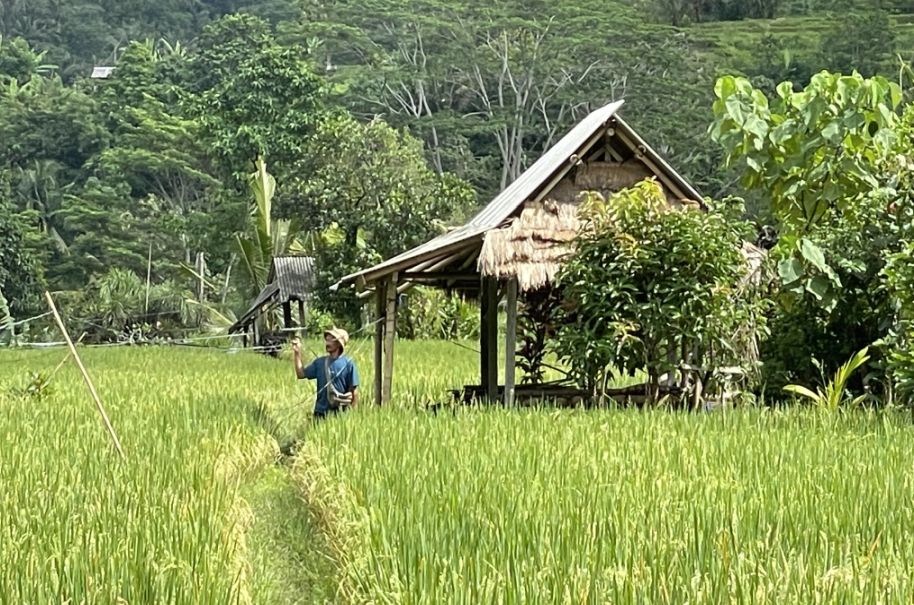
We finally reached an area filled with rice fields, stretching out in every direction. A farmer walkin gin this rice field.
 |
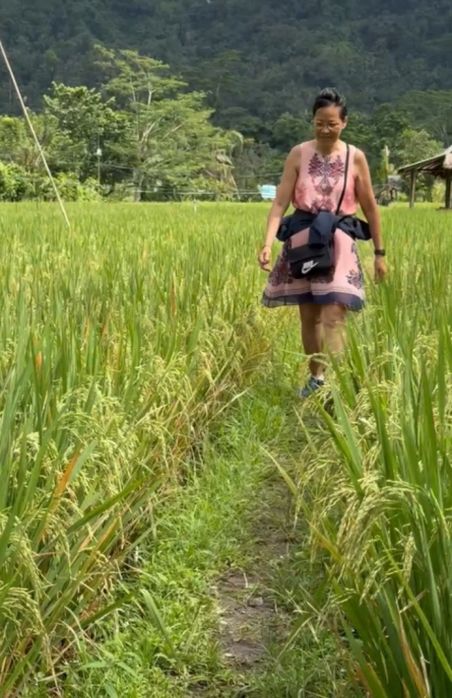 |
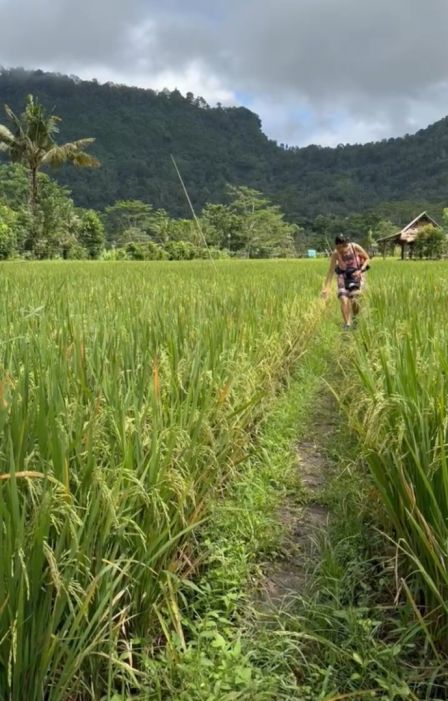
Some of the paddies were still a deep, vibrant green, while others had turned a soft golden color, signaling that they were nearly ready for harvest.
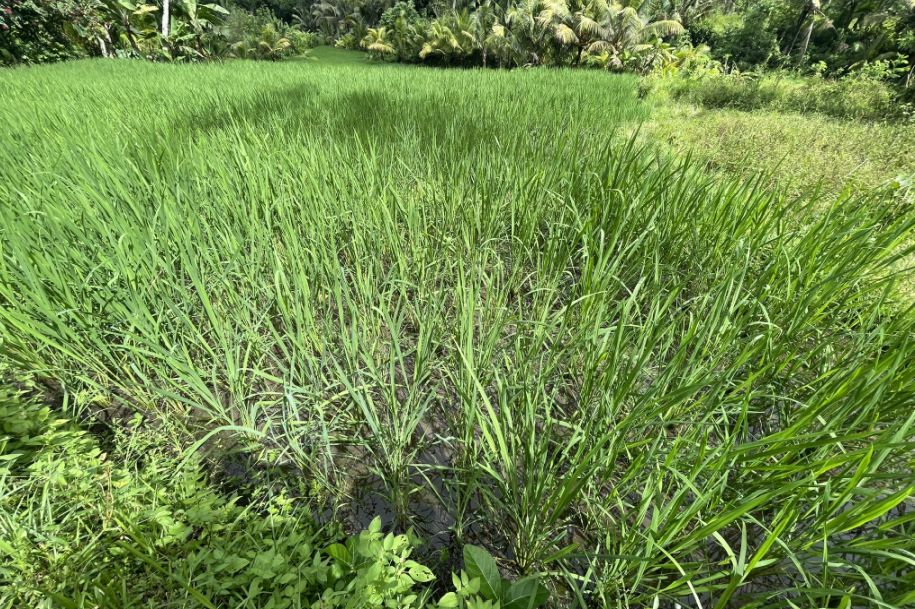
The rice plants stood in shallow water, their roots submerged, reflecting the sky and surrounding landscape. The contrast between the green and gold fields, combined with the calm water at their base, made the scene feel both peaceful and alive. an ever-changing patchwork shaped by the rhythm of the growing season.
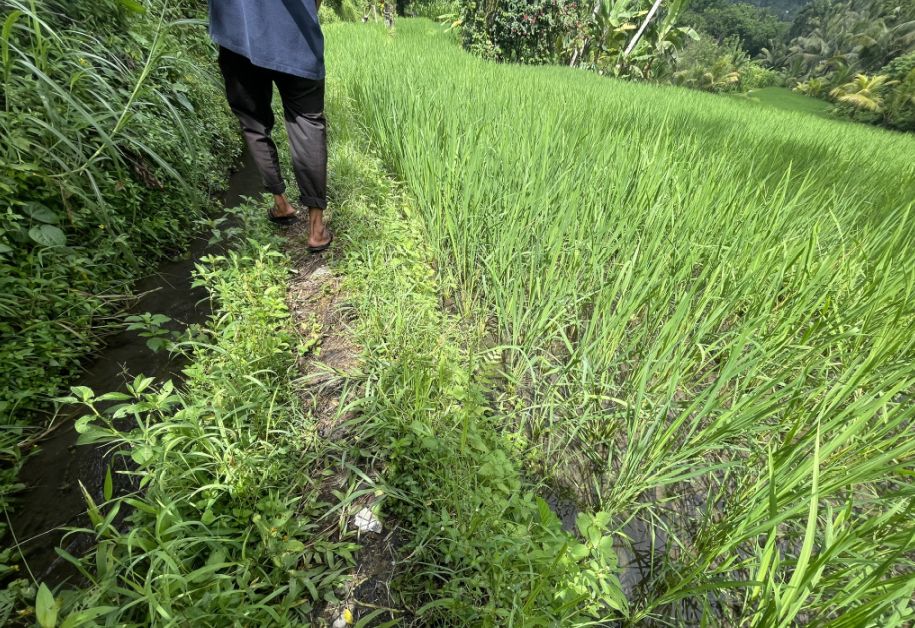
We walked along a very narrow dirt path that ran right beside the rice fields, with water-filled paddies just inches away. In some places, the ground was firm enough to pass, but in one area the path had turned extremely muddy and slippery from the rain. We had to slow down and step carefully, balancing as we went, aware that one wrong move could send us sliding toward the wet rice plants below.
 |
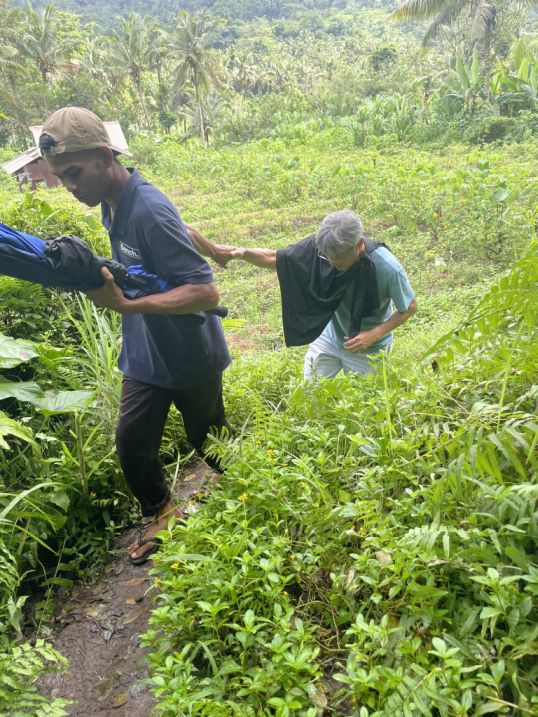 |
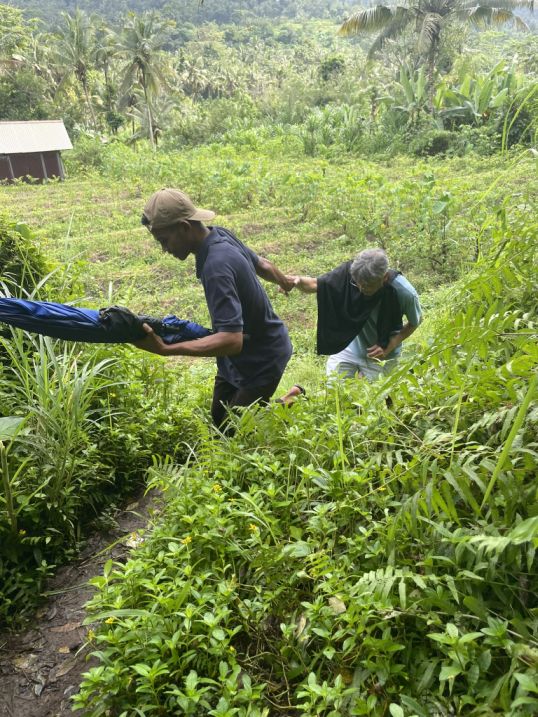
At one point, the path became so muddy and slick that our tour guide, who was wearing only flip-flops, had to reach back and pull Hoa up to keep her from slipping, even though we were wearing sneakers. It was incredible to watch how confidently he moved across the terrain, finding solid footing with ease. His balance and familiarity with the land made the muddy path look effortless, a quiet reminder of how deeply connected he is to these fields and how naturally he navigates them every day.
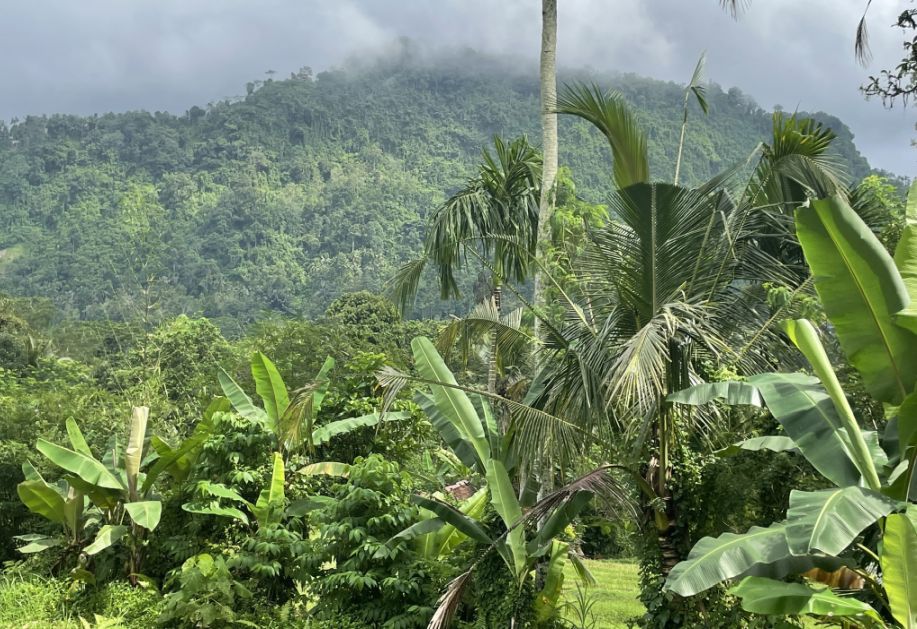
From the rice fields, we could see mountains rising all around us, their slopes covered in lush green trees. A light layer of fog hovered near the tops, softening their outlines and drifting slowly through the forest.
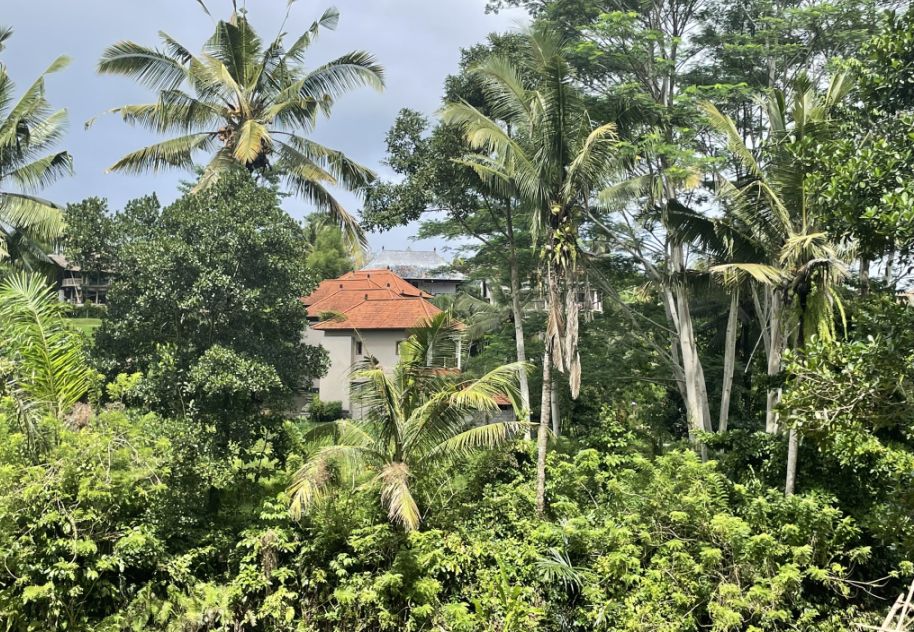
Villas close to the rice fields.
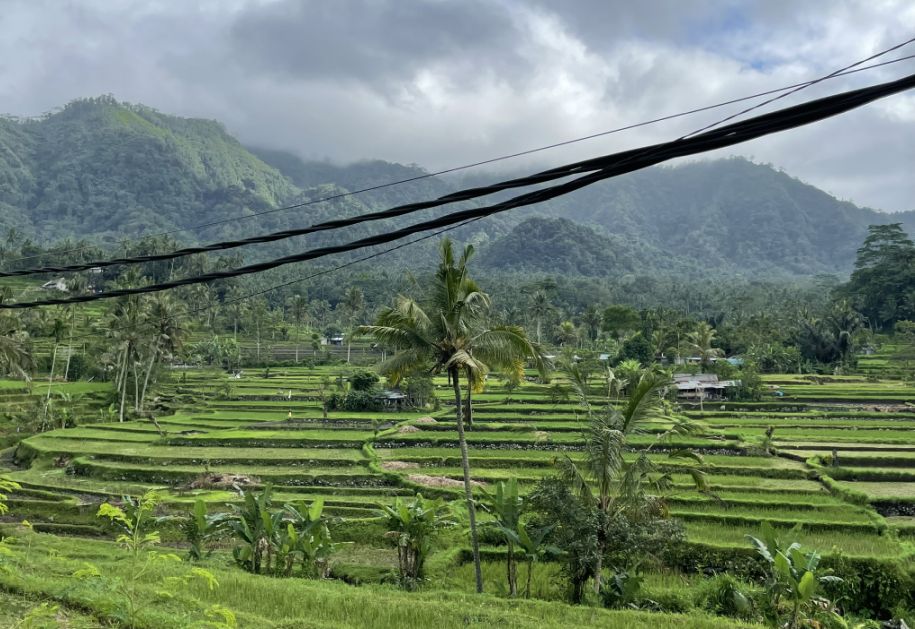
We are now leaving the rice fields and walking back to our hotel and on the way we passed by more rice fields.
 |
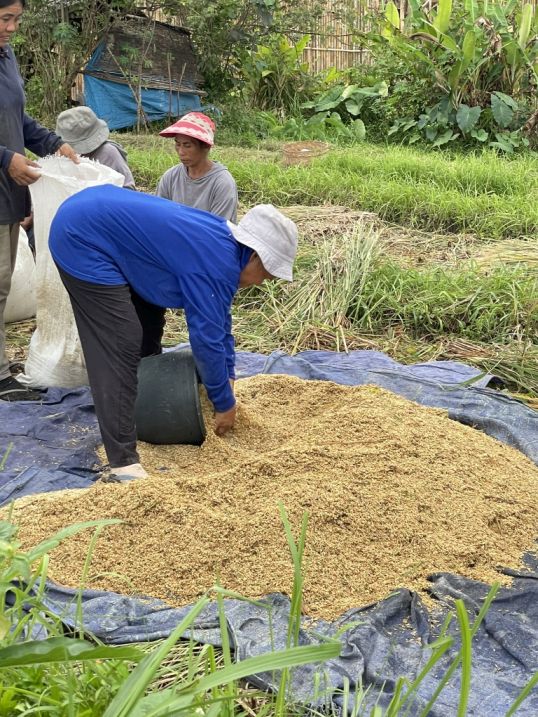 |
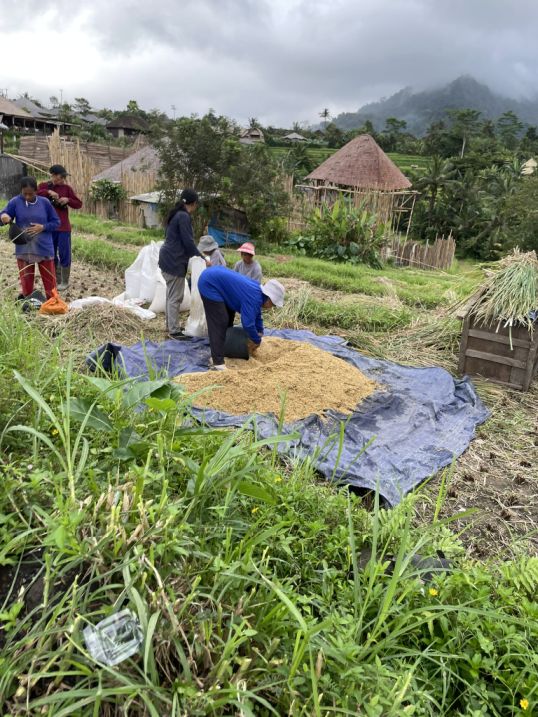
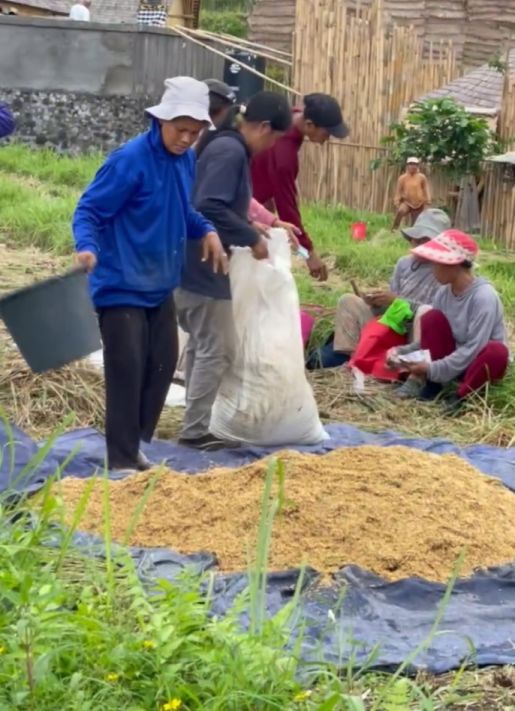
We passed by farmers working along the edges, they had spread large plastic tarps on the ground, covered with freshly harvested rice stalks that had been shaken and beaten so the grains fell off the branches. The rice was a rich golden color, still wrapped in its husk. The farmers scooped the loose grains into buckets and poured them into large white bags, moving steadily and methodically as they gathered the results of the harvest
 |
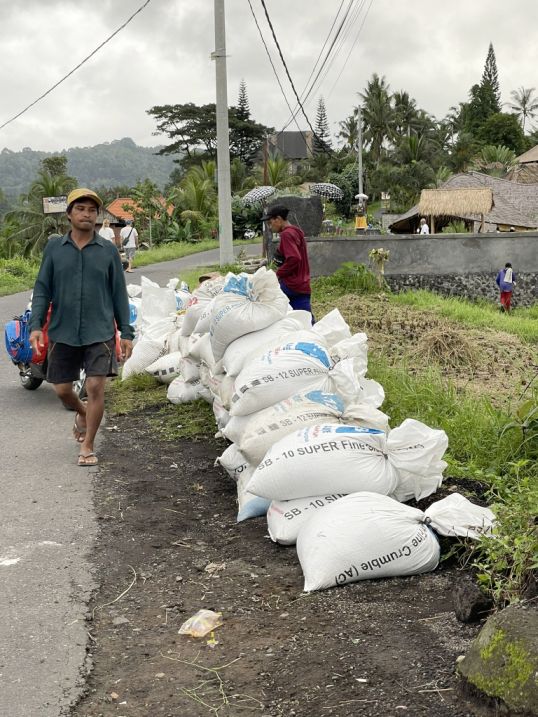 |
After the rice was collected into the large white bags and tightly tied, the farmers stacked the bags together in neat piles along the edge of the field. The bundles sat there like quiet markers of the harvest, ready to be carried away for drying or milling, an understated but powerful sign of the hard work that had just been completed.

Dinner at Radha Warung
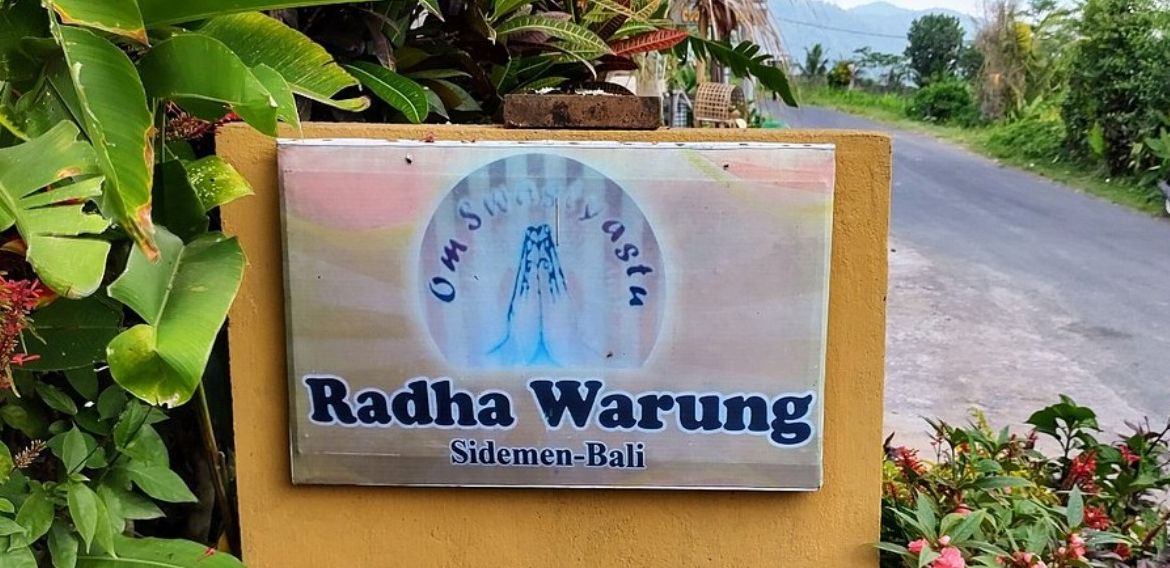
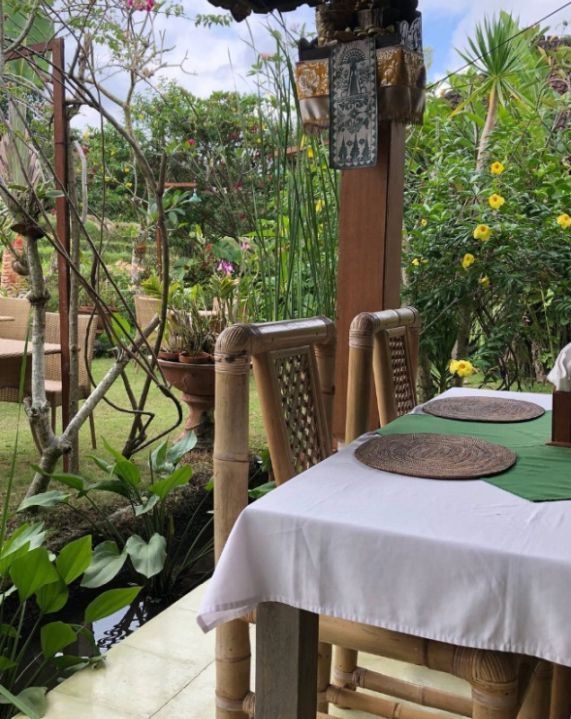
That evening, we went to Radha Warung for dinner. There aren’t many options for upscale dining in Sidemen, but this warung stood out as especially nice and thoughtfully designed. We sat on a spacious patio overlooking a beautifully maintained garden, with rice fields surrounding the restaurant and fading into the dusk.
 |
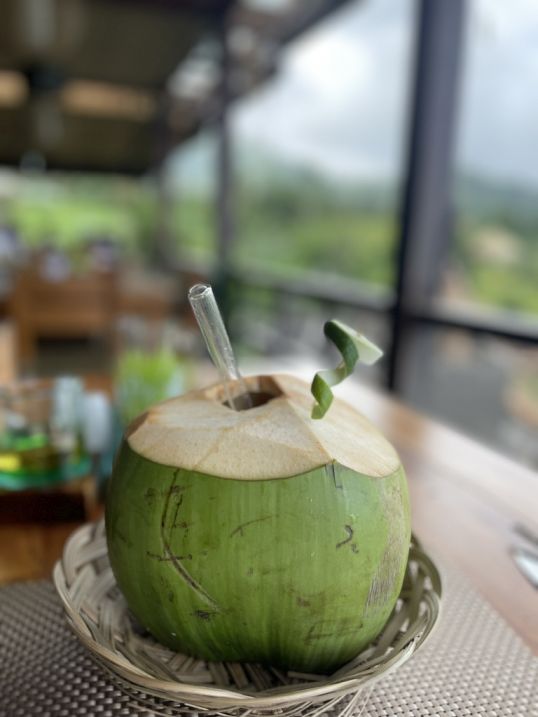 |
We sat on a spacious patio overlooking a beautifully maintained garden, with rice fields surrounding the restaurant. I ordered a fresh coconut, which felt perfectly refreshing after the day’s walk.
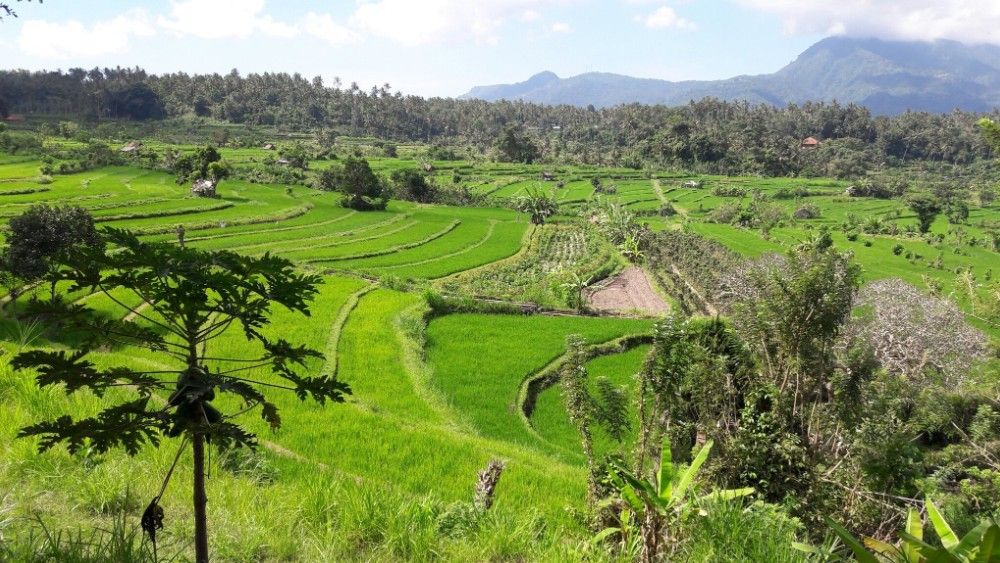
View of rice fields surrounding the restaurant.
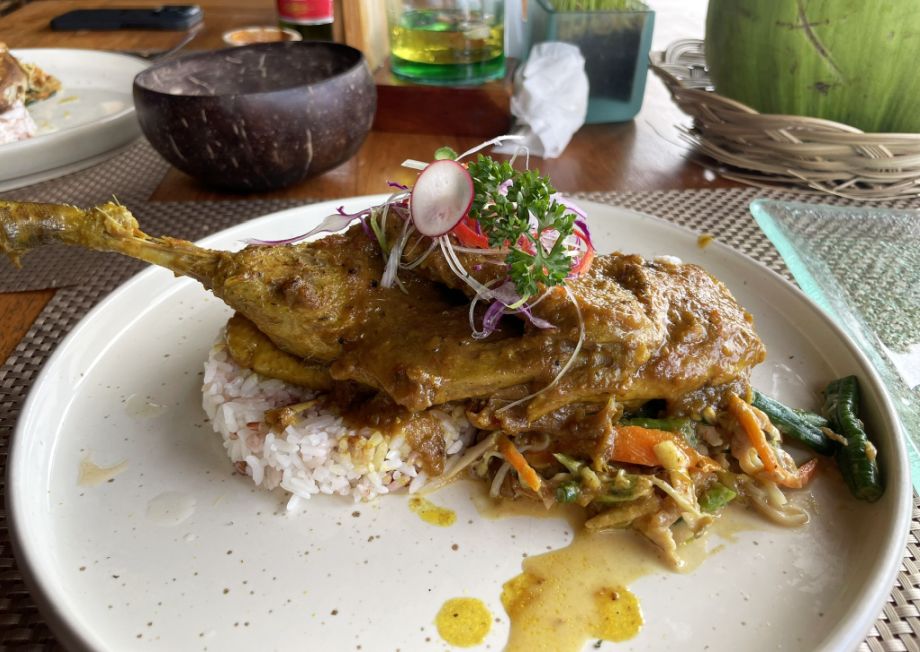
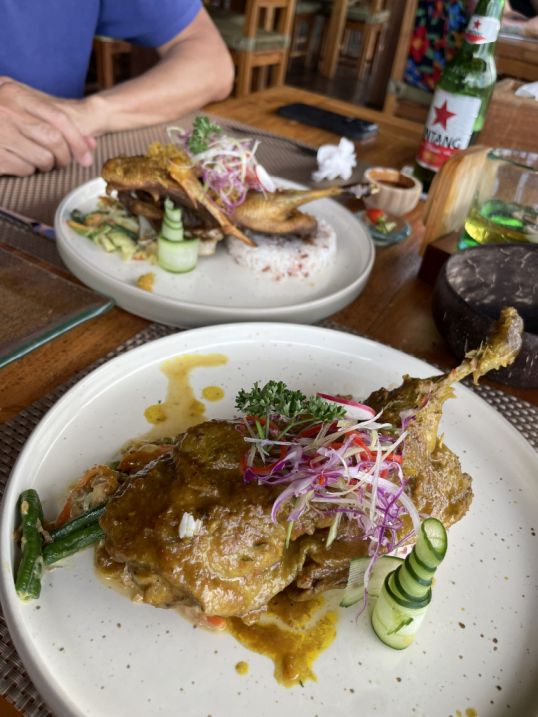
For dinner, I chose their specialty dish called Bebek Menyanyat, a braised duck that was rich and deeply flavored.
 |
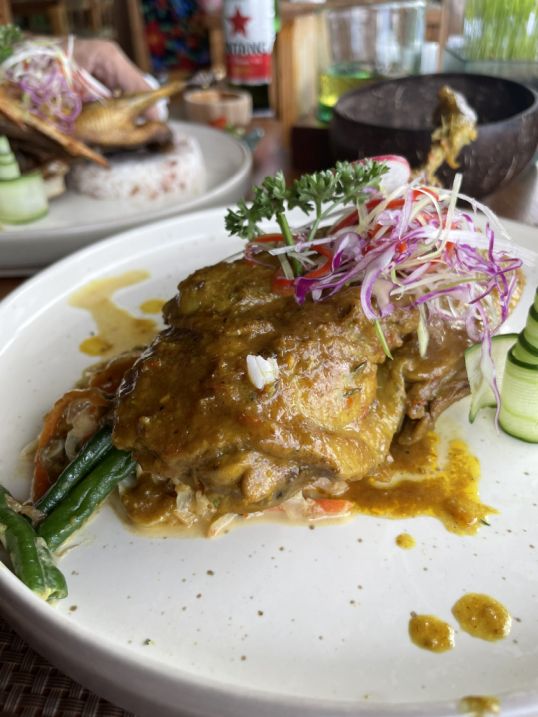 |
Bebek Menyanyat is a popular Balinese curry like prepartion that captures the essence of Belinese flavors with its rich spice blend and coconut milk.
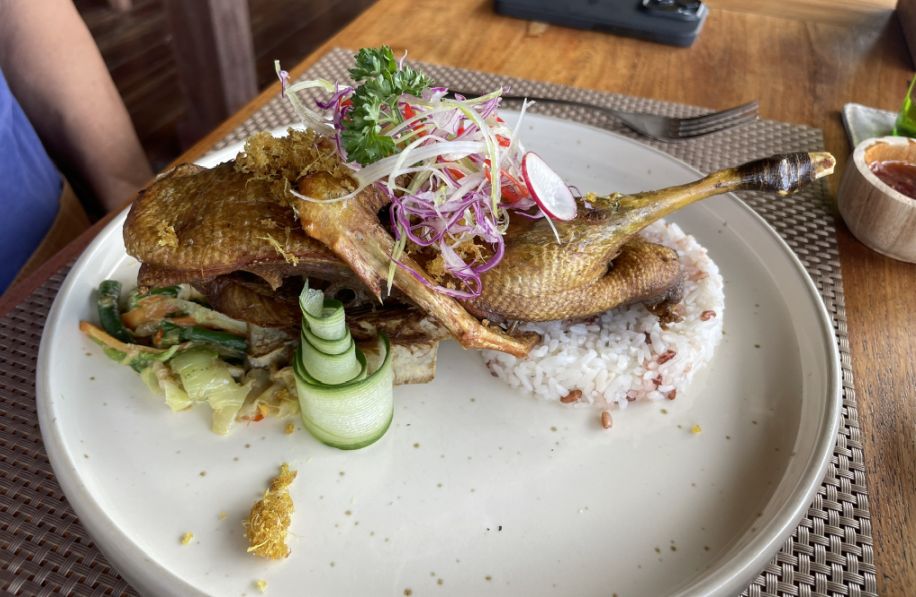
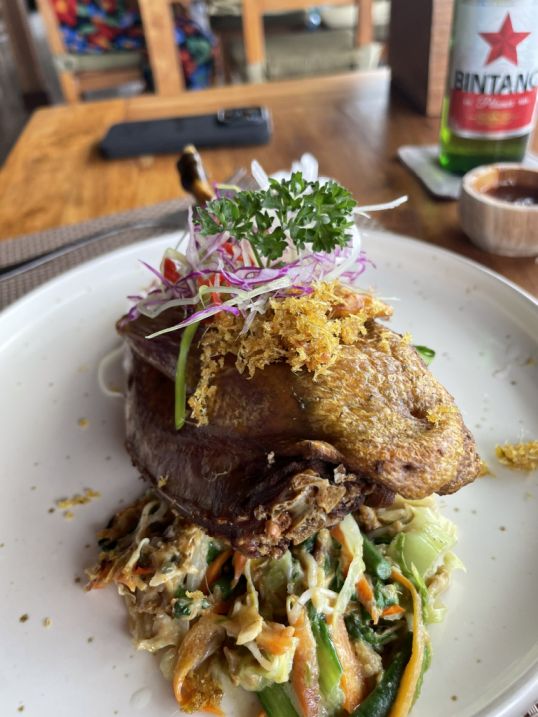
Hoa ordered theBebek Bengil, a crispy roasted duck served with rice and various accompaniments like sambal.
 |
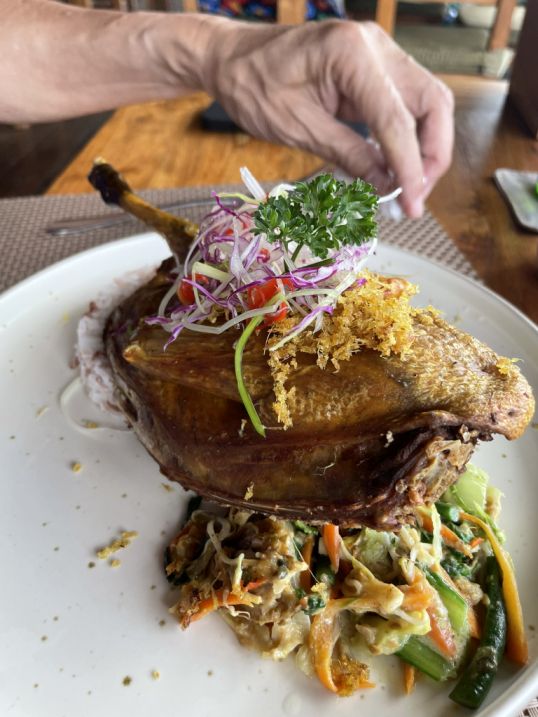 |
This is also a very popular dish and is known for its crispy and tender meat.
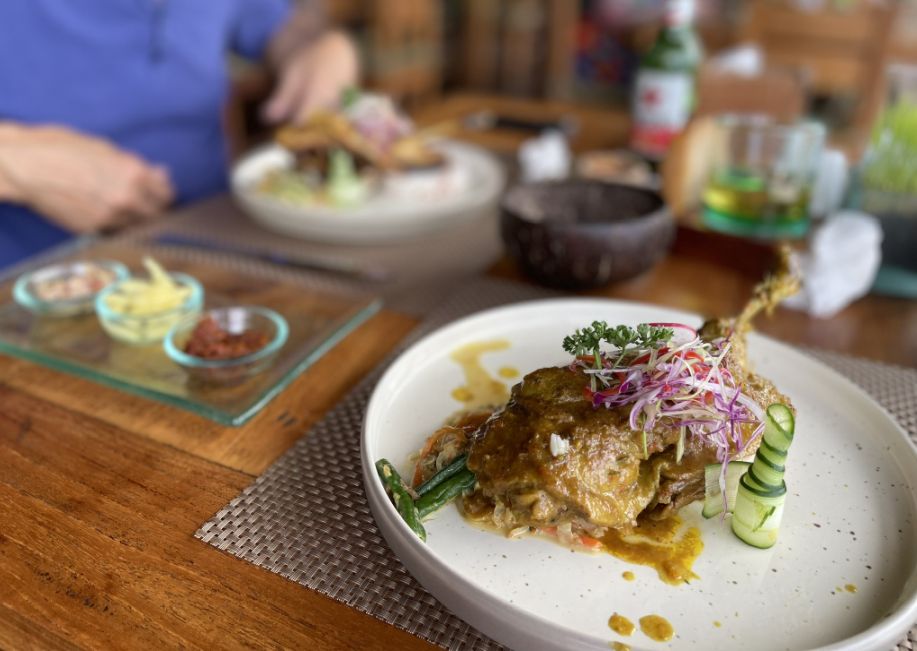
It was a relaxed, satisfying meal, and the calm setting made the evening feel like a natural continuation of the peaceful landscape we had spent the day exploring.
NEXT... Day 14- Sidemen