3 days in Nha Trang-1/26- 1/29/2025
| Day-1 Arrival Dinner at Hanh Xuan |
Day-2 Museum of Oceanography Hon Chong Po Nagar Cham Towers Christ the King Cathedral Fuit stall and Dinner |
Day-3 Cho Dam Lunch and Beach Dinner at Ot Hiem |
Day 2-Guided tour -1/27/2025
2nd stop: Hon Chong
Our second stop on our four-hour guided tour brought us to Hòn Chong, one of Nha Trang's most picturesque coastal landmarks.
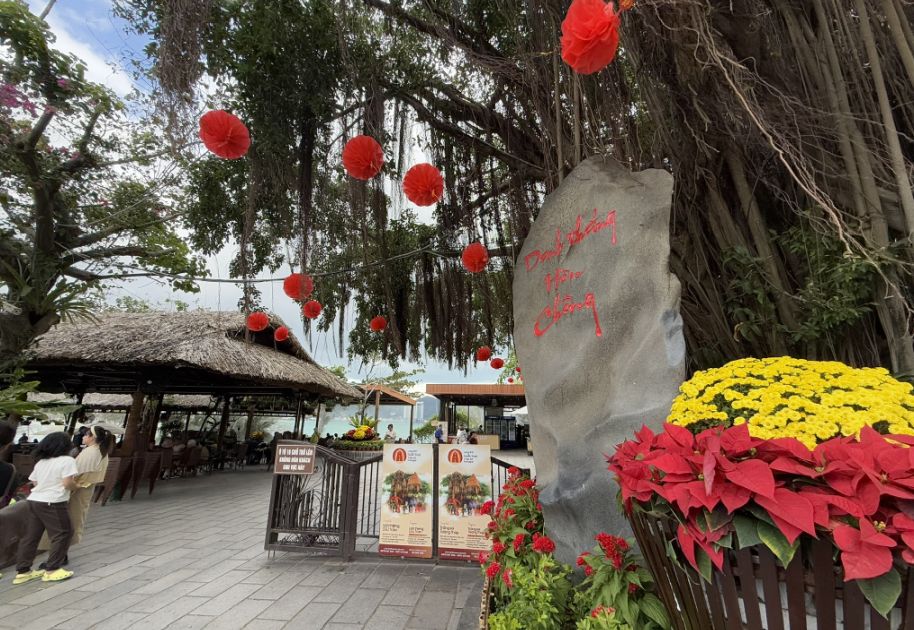
As our bus pulled up, we were greeted by the entrance gate, where a massive granite boulder proudly displays the name "Hòn Chong." It was the perfect welcome to this beautiful seaside destination.
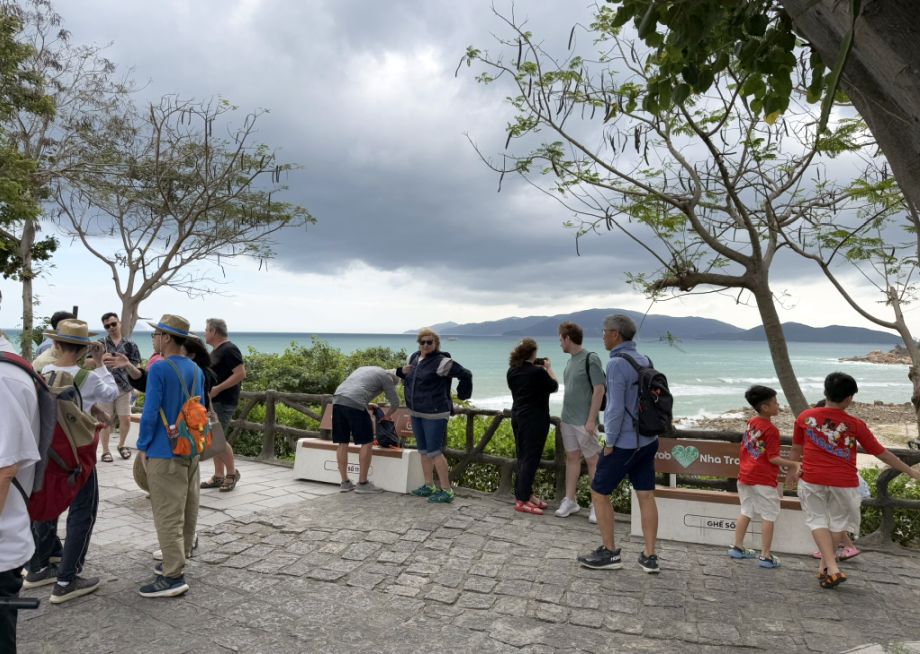
Walking toward the shoreline, we were treated to breathtaking views of the turquoise waters of Nha Trang Bay, with rugged mountains rising in the distance.

The combination of dramatic rock formations, the gentle sound of the waves, and the surrounding coastline created a peaceful setting that felt worlds away from the bustling city center.

Before exploring the famous rock formations, our guide led us into Vĩnh Nha Trang, a cultural center where we enjoyed a live performance of traditional Vietnamese music.

Since we visited on January 27, 2025, just days before Tet (Vietnamese Lunar New Year), the entire venue was beautifully decorated with colorful flowers, festive lanterns, and traditional New Year displays.

Talented musicians played centuries-old instruments while singers performed folk songs that have been passed down through generations.
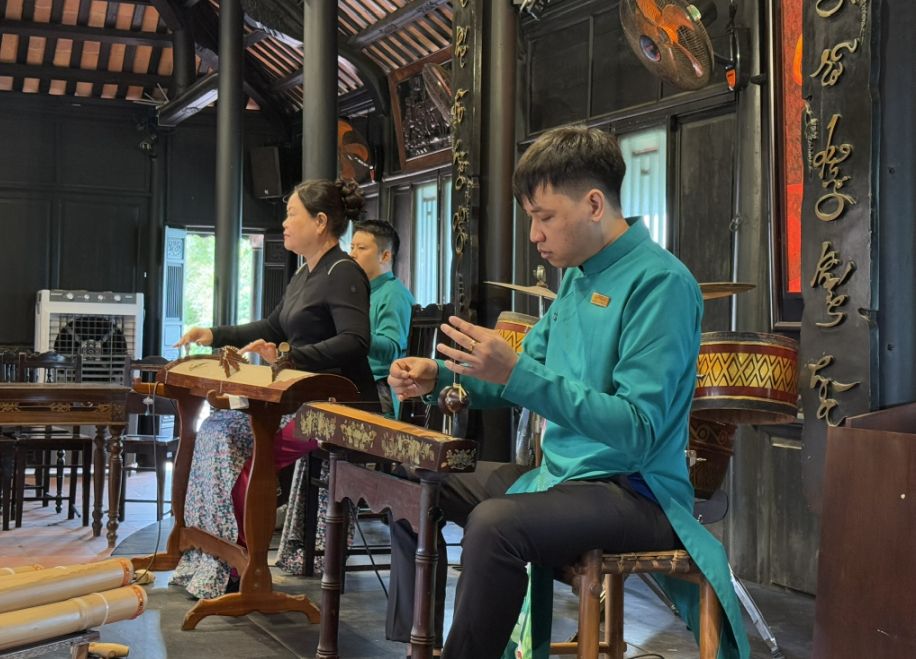
The festive atmosphere made the performance even more memorable, offering us not only a glimpse into Vietnam's musical heritage but also its most important annual celebration.

Leaving the performance hall, we followed a charming red brick pathway that gently descended from the upper terrace toward the waterfront.

With each step, the scenery became even more spectacular. Ahead of us, the famous granite formations of Hòn Chong came into view, rising dramatically from the shoreline as waves rolled in from the South China Sea.

In the distance, majestic mountains framed Nha Trang Bay, creating a stunning backdrop of blue water, rugged coastline, and lush green peaks.

Standing at the shoreline, it's easy to understand why Hòn Chong is one of Nha Trang's most photographed landmarks. The massive granite boulders appear to have been carefully stacked by nature, some balancing improbably atop one another as waves crash against their base. These rocks were formed millions of years ago when molten granite cooled deep beneath the Earth's surface. Over time, uplift, wind, rain, and the relentless force of the sea gradually eroded the surrounding landscape, leaving behind the striking formations we see today.
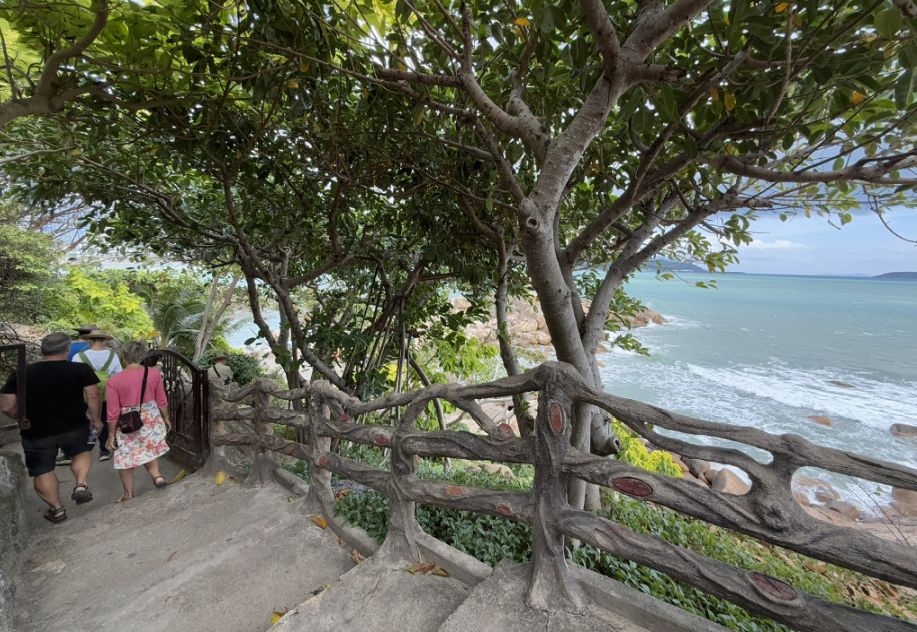
Continuing our walk down hill.

Passing really cool resting area.

We are now on the beach with Hon Chong right in front.

As we made our way down to the beach before reaching the famous Hòn Chồng rock formation, nearly everyone in our group paused to soak in the breathtaking scenery. Cameras and phones quickly came out as we stopped to capture the view.
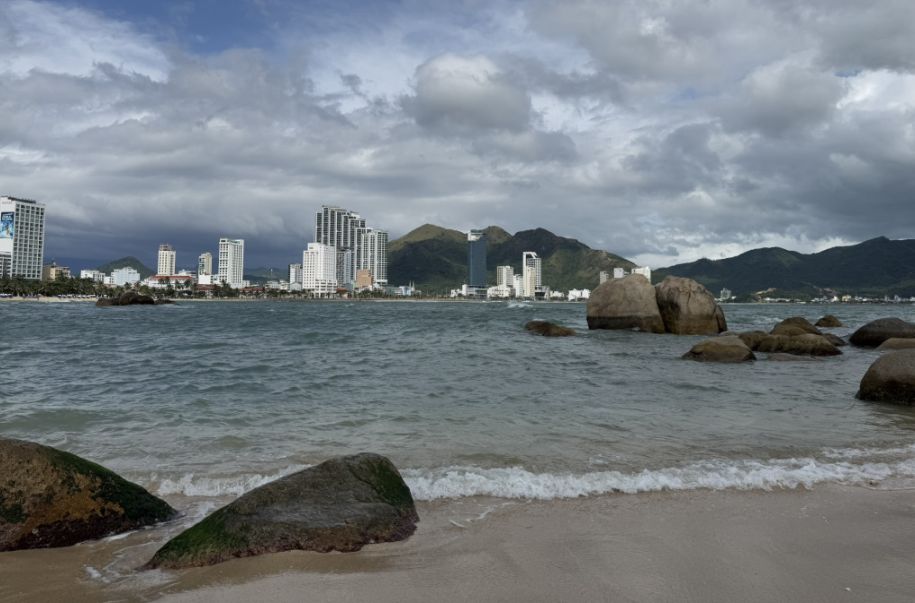
Looking to my left, the modern skyline of Nha Trang stretched along the crescent-shaped shoreline, with rows of tall hotels and apartment buildings standing against the backdrop of the mountains. In front of us, gentle waves rolled rhythmically onto the sandy beach, their soothing sound blending with the laughter of visitors exploring the coast. It was a beautiful contrast, on one side, the vibrant city rising above the bay; on the other, the timeless granite rocks shaped by millions of years of wind and sea. Standing there, with the fresh ocean breeze and panoramic views in every direction, it was easy to understand why Hòn Chong is considered one of the most scenic spots in Nha Trang.

As we continued toward Hòn Chong, the paved walkway gave way to nature. The shoreline became a maze of enormous granite boulders, and the only way forward was to carefully climb over or hop from one rock to the next. Each step required a little balance, but that was part of the adventure. The smooth rocks, sculpted by millions of years of wind and crashing waves, varied in size and shape, creating a natural playground for visitors of all ages.

As I turned around, I was greeted by another stunning view. Nestled between the massive granite boulders was a small sandy beach, almost hidden from sight. Reaching it wasn't as simple as walking down a path, visitors had to carefully climb over the giant rocks, picking their way from one boulder to the next before finally stepping onto the sand.

It felt like discovering a secluded cove tucked away by nature. Families, couples, and photographers were scattered across the rocks, each finding the perfect vantage point to admire the coastline.

With the turquoise water gently lapping against the shore and the towering granite boulders surrounding the beach like natural guardians, it was one of those peaceful scenes that invited you to slow down, take a deep breath, and simply enjoy the beauty of Nha Trang's coastline.
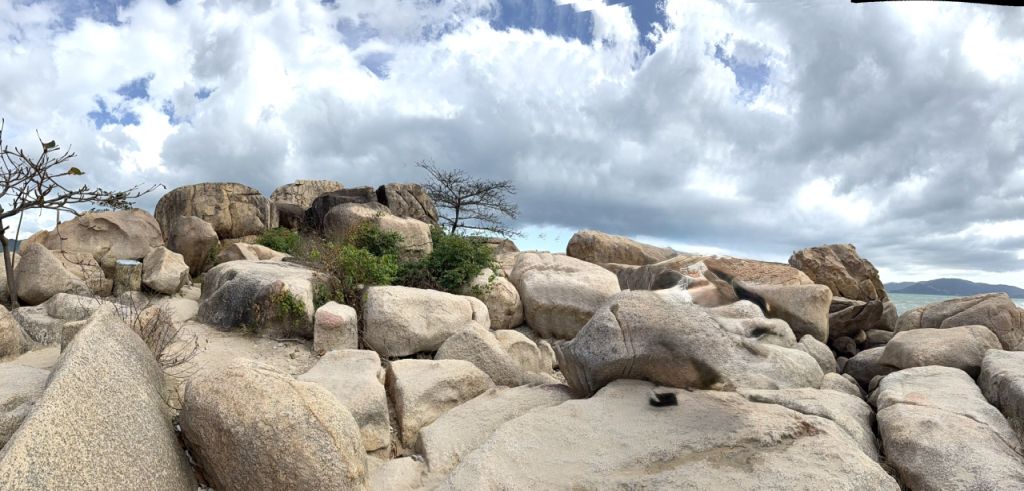
As we approached Hòn Chong, a narrow stone pathway wound its way through the enormous granite boulders, inviting us to explore the heart of this remarkable rock formation.

The path gently climbed upward, weaving between giant stones that seemed to have been scattered by nature centuries ago. Around every turn, a new view unfolded, towering boulders balanced against one another, waves crashing below, and the endless blue waters of Nha Trang Bay stretching to the horizon. Visitors paused frequently to admire the scenery, snap photos, or simply take in the peaceful atmosphere. Walking among these ancient rocks, it was easy to appreciate both the immense power of nature that created them and the timeless beauty that has made Hòn Chồng one of Nha Trang's most treasured landmarks

As we continued climbing through the maze of granite boulders, the path suddenly narrowed. Ahead of us was a giant rock wedged between two towering granite walls, forming what looked like a natural gateway. It was hard to believe that such a massive boulder had remained perfectly balanced there for thousands, perhaps millions of years.
 |
 |
As we squeezed through the narrow passage beneath the enormous balanced boulder, we couldn't resist stopping for a few photos. From the right angle, it creates the perfect optical illusion.. Hoa stretched his arms above his head and pretended to hold up the massive rock, as if he were preventing it from crashing down. Of course, the boulder hasn't moved in millions of years, but it certainly made for a memorable, and very convincing photo!
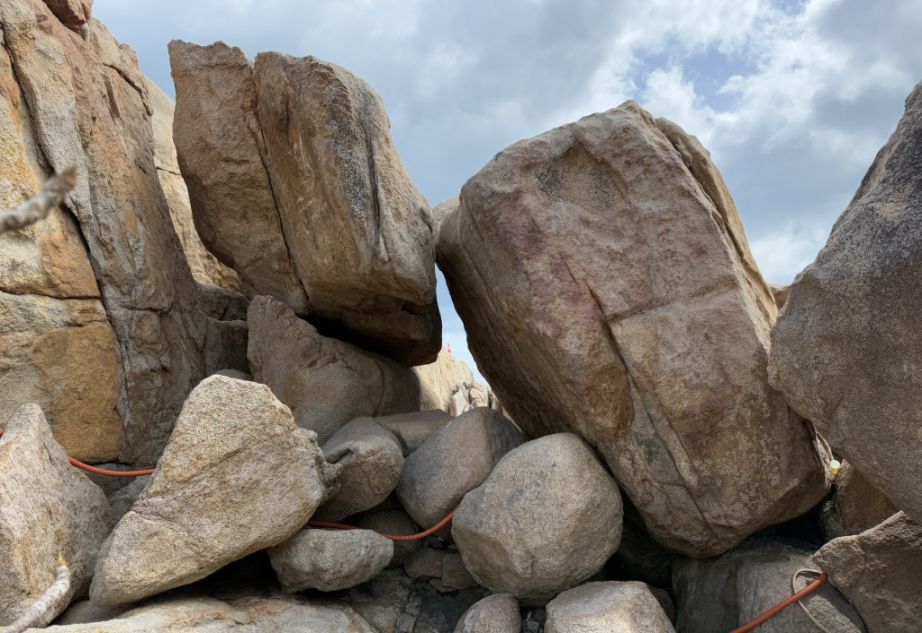
Just when we thought we had seen the most remarkable rock formation, another one appeared around the bend. Towering slabs of granite leaned against one another at impossible angles, as if they had been carefully arranged by a giant hand. Massive boulders rested on smaller rocks below, creating a natural sculpture that seemed to defy gravity.

It was difficult to imagine that these formations were created entirely by nature. Over millions of years, molten granite cooled deep beneath the Earth's surface before being pushed upward by tectonic forces. Wind, rain, and the relentless pounding of the sea slowly eroded the rock, carving away the softer sections and leaving behind these extraordinary balancing formations. Every crack, rounded edge, and narrow gap tells the story of countless centuries of nature at work.
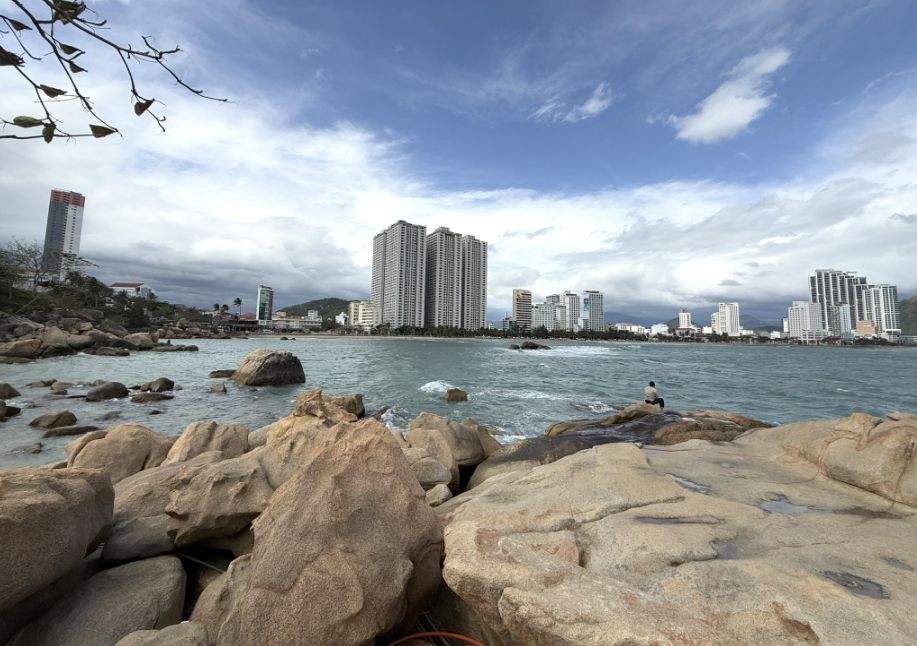
View of the bay from Hon Chong.
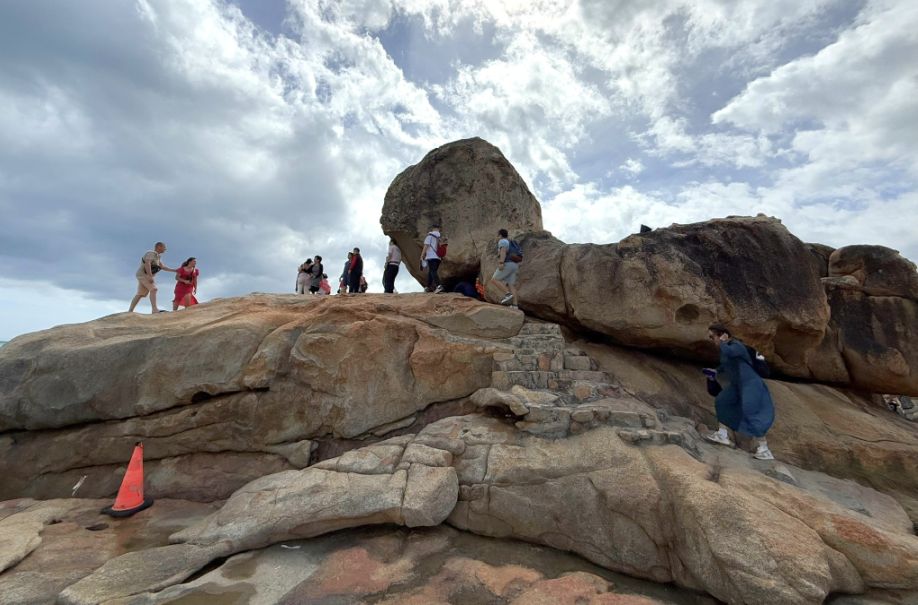
Climbing to top boulder.

We reached the highest point of Hòn Chong. As I looked down, I was rewarded with one of the most breathtaking panoramic views in all of Nha Trang.

Below me, the waves of the South China Sea crashed against the ancient granite rocks, sending white foam swirling over the shoreline. The contrast between the dark, weathered boulders and the emerald-green water was simply mesmerizing. Looking to the left, the city's modern skyline stretched gracefully along the crescent-shaped bay. Towering hotels and apartment buildings lined the waterfront, backed by lush green mountains that rose dramatically into the distance. Above it all, thick clouds drifted across the sky, adding a sense of drama to an already stunning landscape.
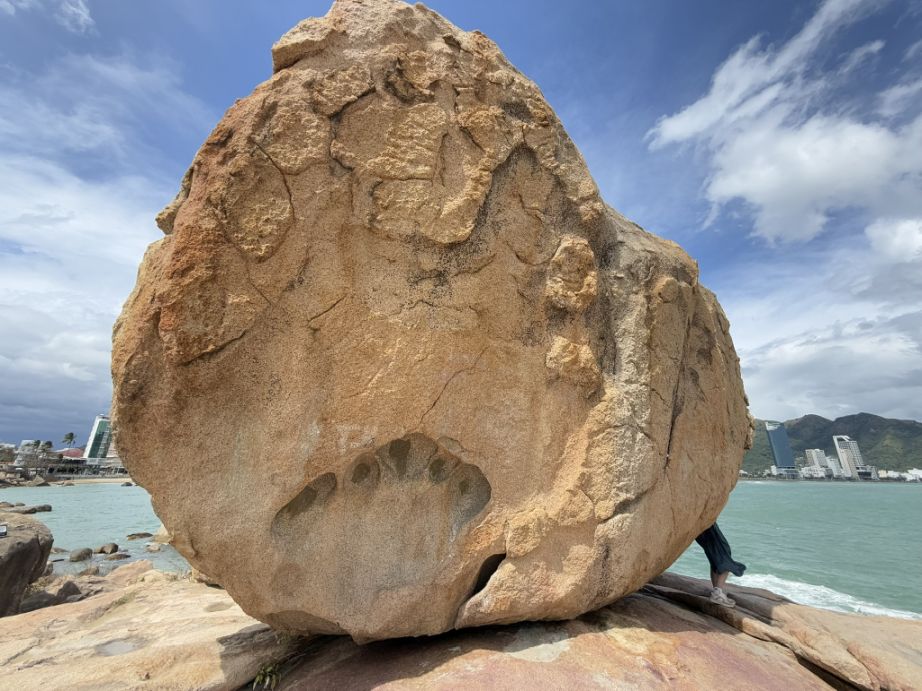
At last, we arrived at the most famous spot in Hòn Chong, the legendary Husband Rock. Perched on the edge of the sea, this massive granite boulder is home to one of Nha Trang's most intriguing natural features: a large hand-shaped impression etched into its surface. According to Vietnamese legend, a giant fisherman was battling an enormous fish in the rough seas when he lost his footing on the slippery rocks. As he fell, he instinctively reached out to steady himself, pressing his hand so forcefully against the granite that it left a permanent imprint. Although the giant disappeared into the sea, his handprint remained, giving the rock its name, Hòn Chong, which means "Husband Rock."
 |
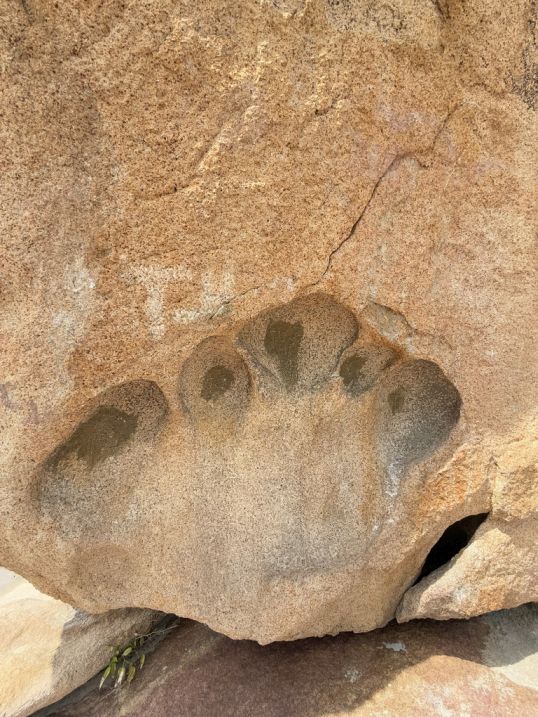 |
Standing before it, I could clearly make out what locals believe are the marks of a giant's hand.

Whether the handprint is the result of millions of years of natural weathering or simply an extraordinary coincidence, it has become one of Nha Trang's most recognizable landmarks. Visitors from around the world stop here to place their own hands against the impression, compare its enormous size, and imagine the legendary giant who supposedly left his mark behind.
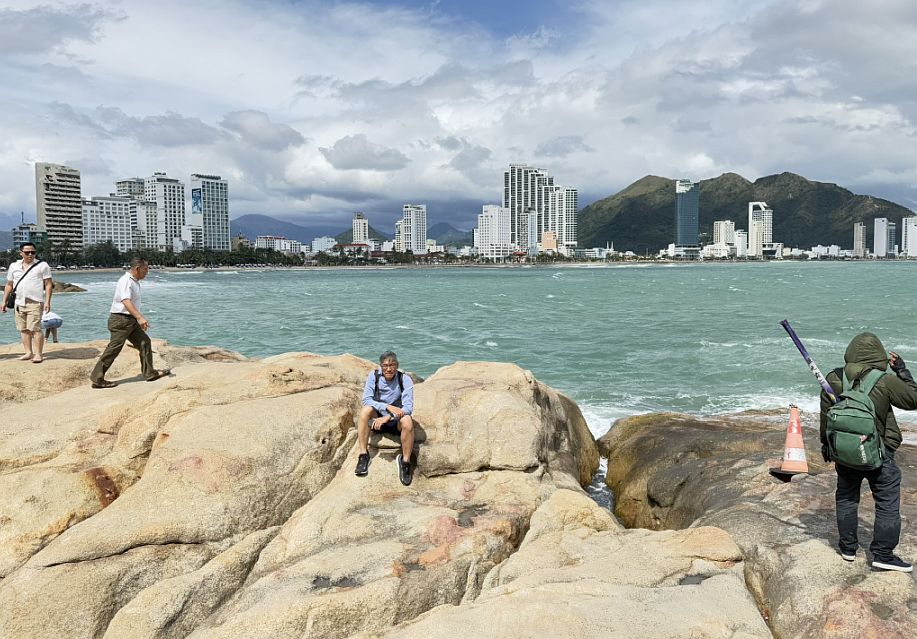
Sitting there, with the waves crashing below and the panoramic view of Nha Trang Bay stretching into the distance, it was easy to see why this place has inspired stories for generations. The handprint is more than just a curiosity carved into stone, it is a symbol of Hòn Chong itself, where nature, folklore, and breathtaking scenery come together to create one of Vietnam's most memorable coastal destinations.
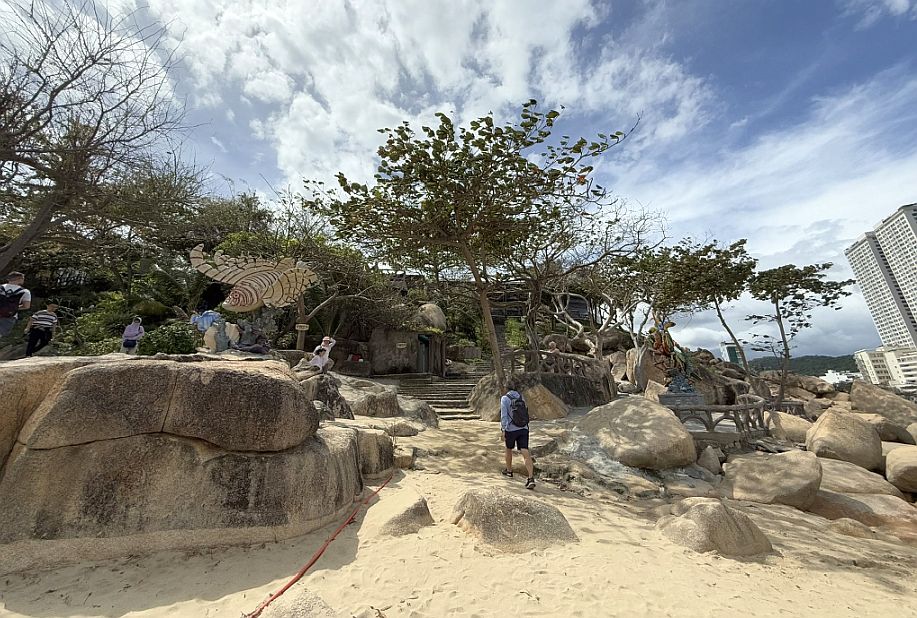
We are now leaving the beach and making our way back to the bus.
 |
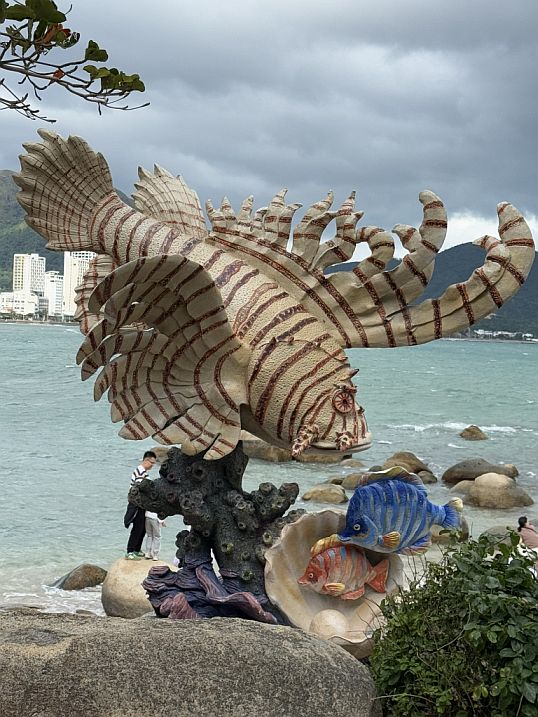 |
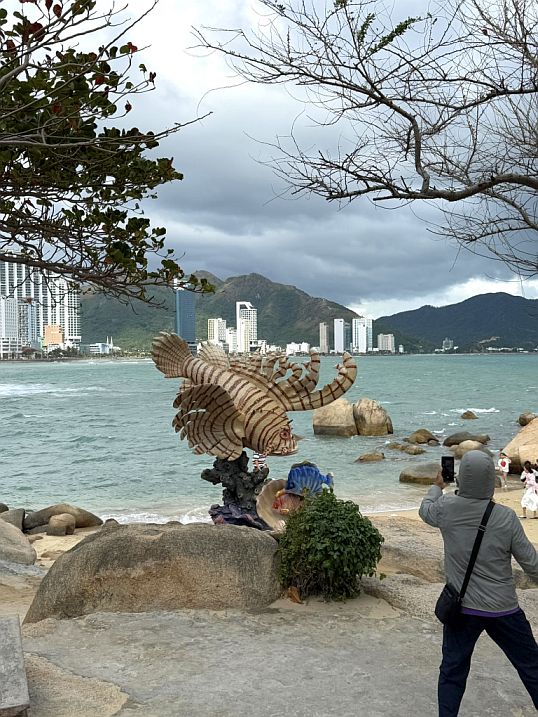
Near the beach stood a giant striped fish sculpture, its bold color pattern making it impossible to miss. Standing proudly against the backdrop of the sea, the sculpture seemed like a fitting farewell to Hòn Chong, a place where the ocean is at the heart of everything.
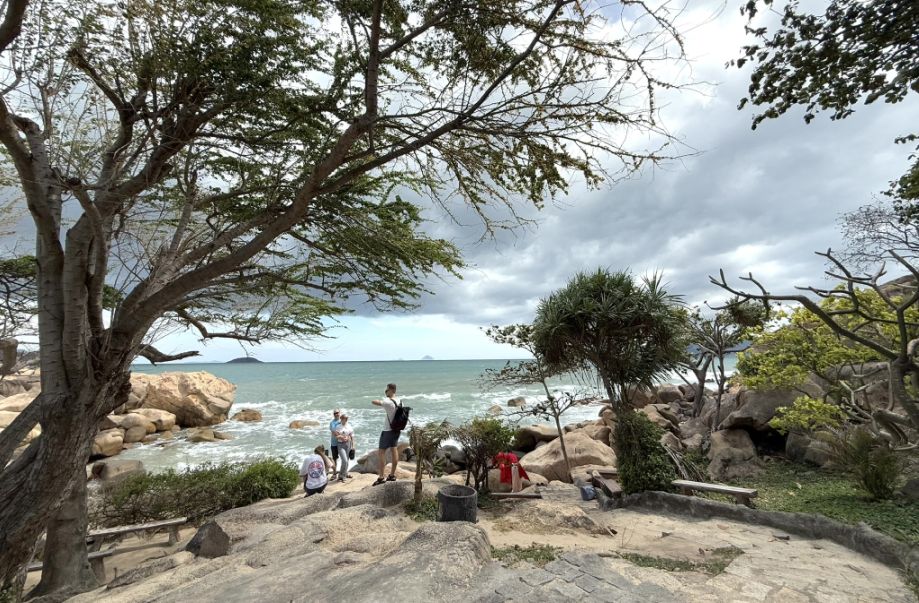
This area is so peaceful and so beautiful.

As we made our way back toward the entrance, we followed a winding pathway that hugged the rocky shoreline. The walkway was lined with cement railings crafted to resemble intertwined tree branches, blending beautifully with the natural surroundings. Rather than distracting from the landscape, the rustic design complemented it, making it feel as though the path had grown out of the rocks themselves.
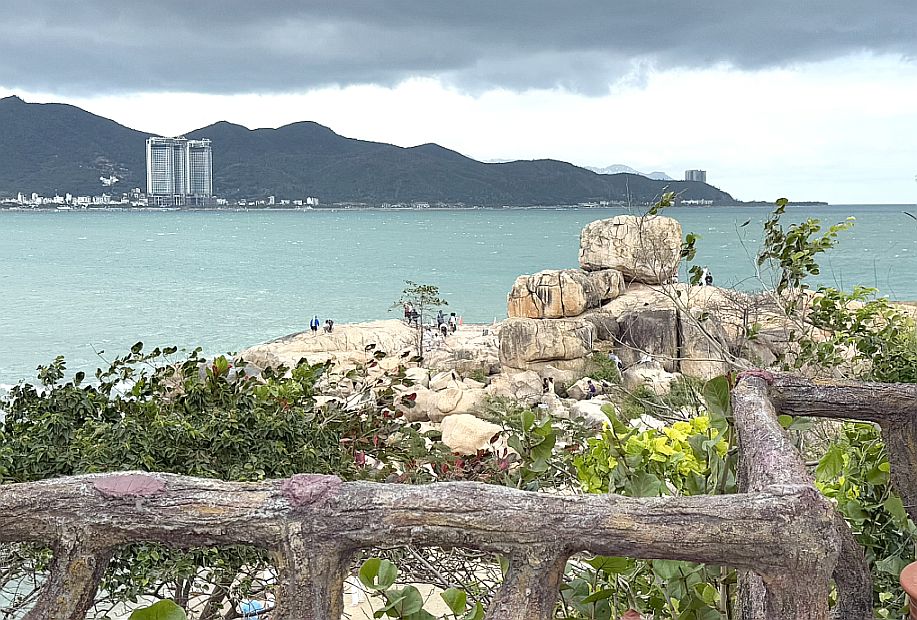
As we continued along the elevated pathway, we caught one last glimpse of Hòn Chong, this time from above. From this higher vantage point, the famous granite formation looked even more impressive. The giant boulders that we had climbed over just minutes earlier now appeared to be naturally stacked along the shoreline, their rounded shapes contrasting beautifully with the deep blue-green waters below.
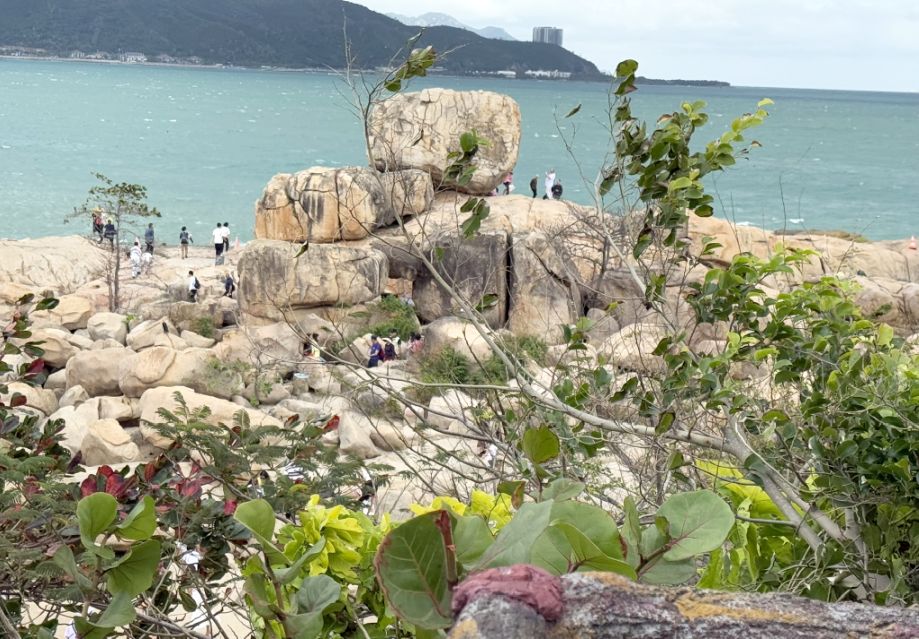
Looking down, we could see visitors making their way through the maze of rocks, stopping to pose beside the legendary handprint or carefully climbing from one boulder to the next. From above, it was easier to appreciate the sheer scale of the rock formation and how the waves had sculpted the coastline over millions of years. The panoramic view tied everything together, the ancient granite, the crashing surf, the sandy coves tucked between the rocks, and the sweeping curve of Nha Trang Bay in the distance. It was the perfect farewell to Hòn Chong. Seeing it from above gave us a completely different perspective, allowing us to fully appreciate why this remarkable landmark has captivated both locals and travelers for generations.

Making our way to the bus
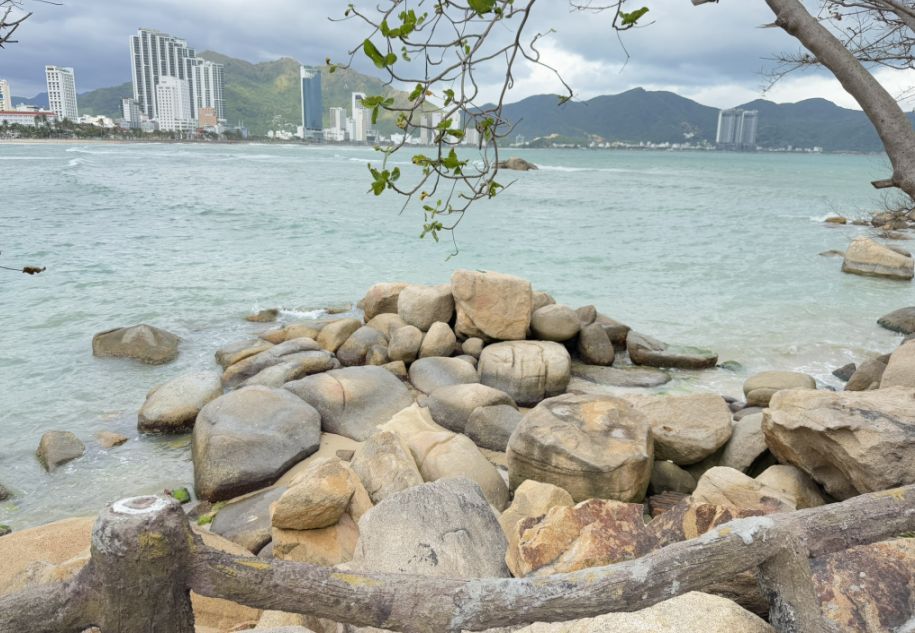
Once last view of the beach before leaving this area.
NEXT... Day 2-Po Nagar Towers