3 weeks in Bali, Indonesia- 5/28- 6/15/2024
|
Uluwatu |
Canggu &
surroundings |
Ubud & surroundings |
Sidemen/Amed |
Nusa Penida |
Day 9- Penglipuran Village-6/4/2024
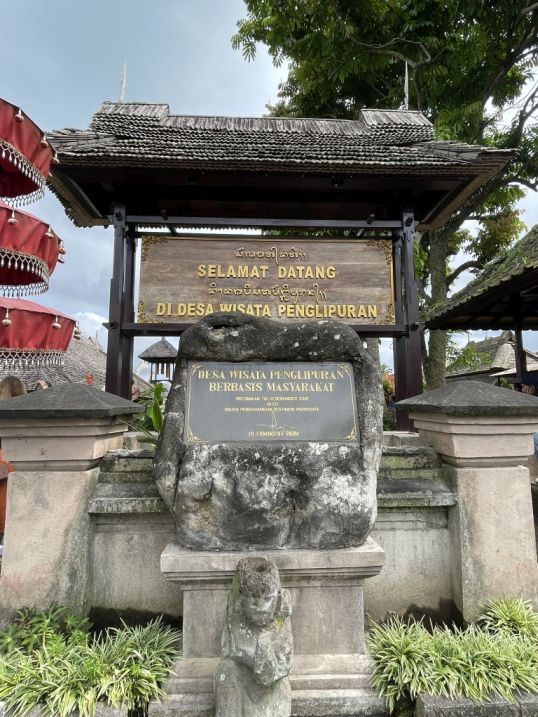
Penglipuran Village is one of the most beautiful and best-preserved traditional villages in Bali, located in the highlands of the Bangli Regency, not too far from Tirta Empul, and is known for its cool, fresh air. It has been internationally recognized as one of the cleanest and most beautiful traditional villages in the world. The village is famous for its strict adherence to traditional design principles. All the houses along the main path look identical, with thatched roofs, split gates (candi bentar), and carefully preserved Balinese compound layouts.
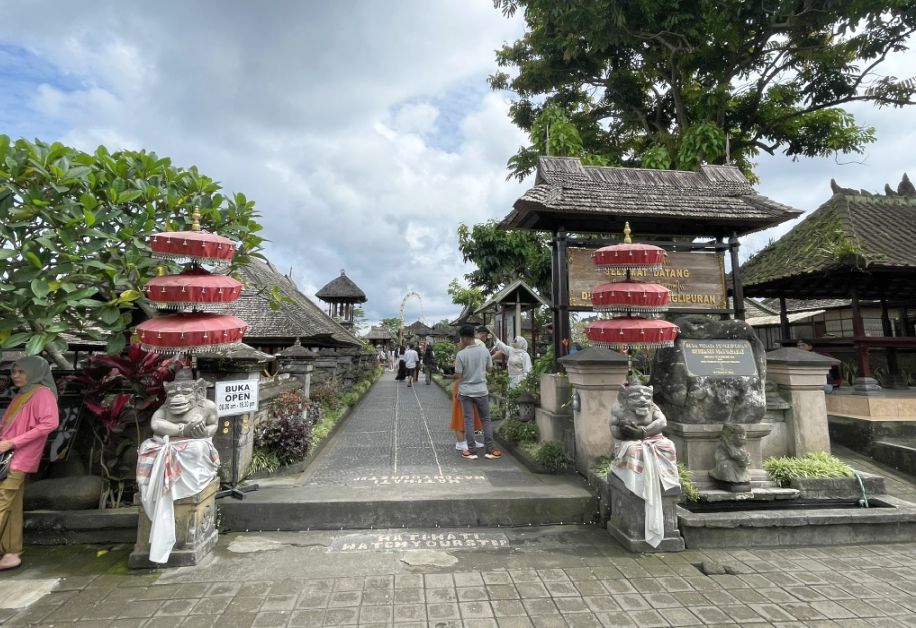
At the main entrance, the two guardian statues are called Dwarapala,
protectors of the village. Above their heads, the three-tiered umbrellas
(tedung) symbolize protection, purity, and prestige. The umbrellas mark this
entrance as an important spiritual threshold that you are entering a protected
and ceremonial space.
a
 |
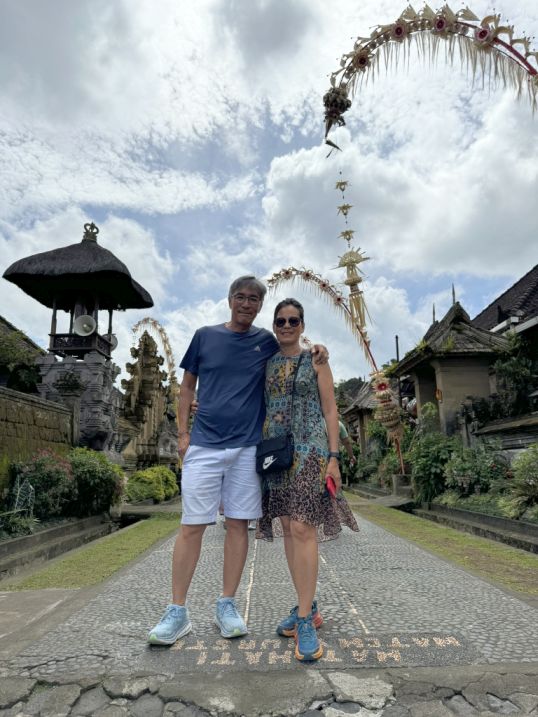 |
After passing the guardians, the long walkway creates a dramatic transition from the outside world into the village.
Penglipuran isn’t just a tourist spot, it’s a living village where the community works together to keep their heritage alive.
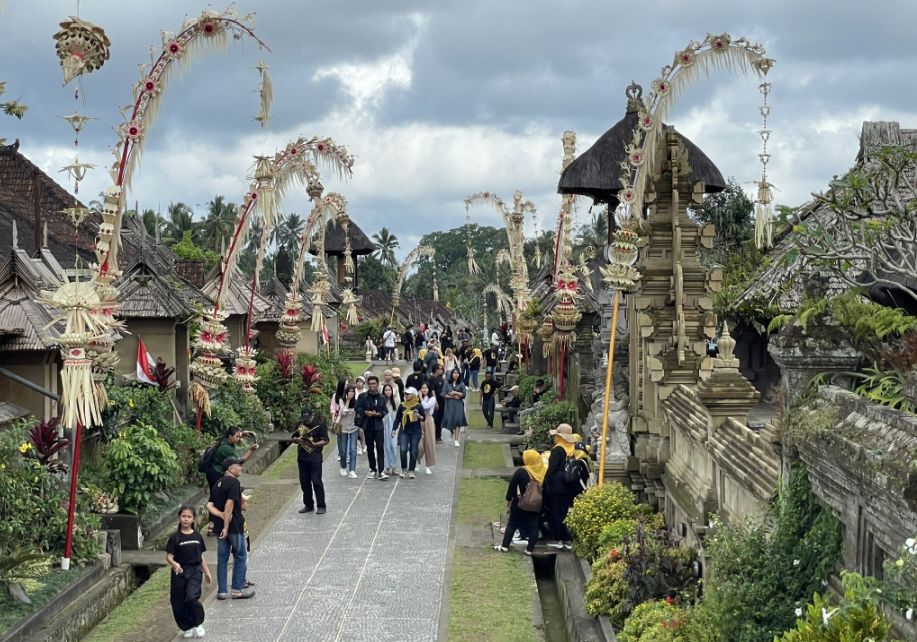
The path rises slightly, drawing your eye toward the heart of the village. The long red arches bending over the pathway are penjor-inspired decorations or ceremonial bamboo poles, adapted for village aesthetics. They add a festive, welcoming feeling and create that distinctive “tunnel” effect that makes Penglipuran instantly recognizable.
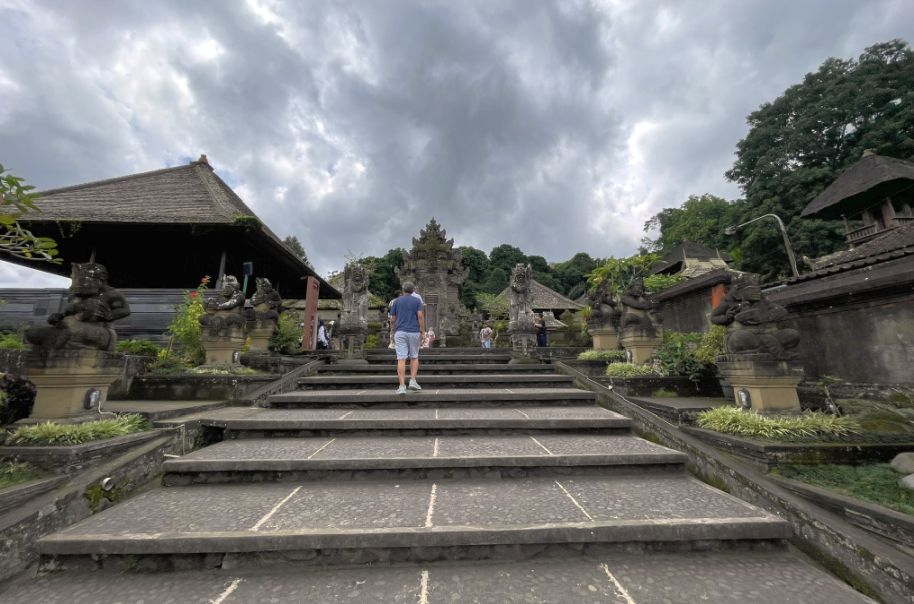
As we climbed the steps toward the very end of the main path, the atmosphere becomes noticeably quieter and more solemn.
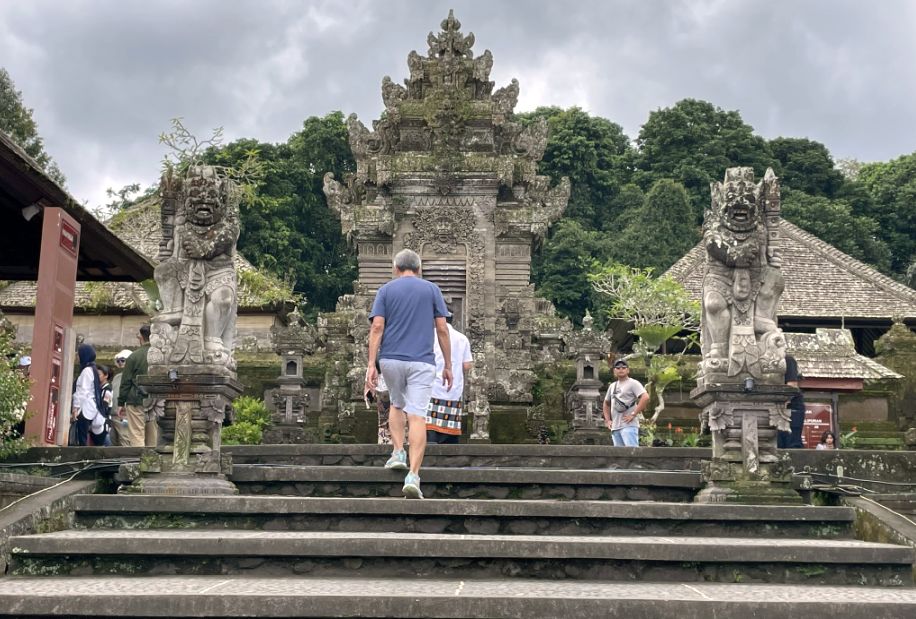
The two huge guardian statues at the top of the stairs mark the transition from the lively communal area of the village to a more sacred and restricted zone. These guardians are meant to protect the boundary between the world of the living and the world of the ancestors, a concept that is deeply rooted in Balinese Hindu cosmology.
At the top, the closed gate which looks like a candi bentar leads to Penglipuran’s cemetery. In Balinese villages, the cemetery is one of the most sacred and spiritually charged areas, but it is also typically simple and rarely opened to visitors. It’s intentionally separated and elevated to emphasize its spiritual purpose.
 |
 |
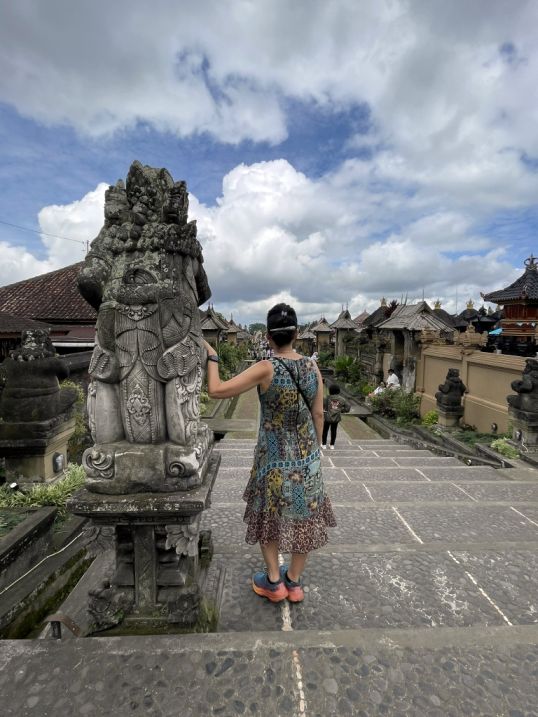
Reaching the top of Penglipuran feels almost like reaching the spiritual “crown” of the village, quiet, guarded, and deeply meaningful.
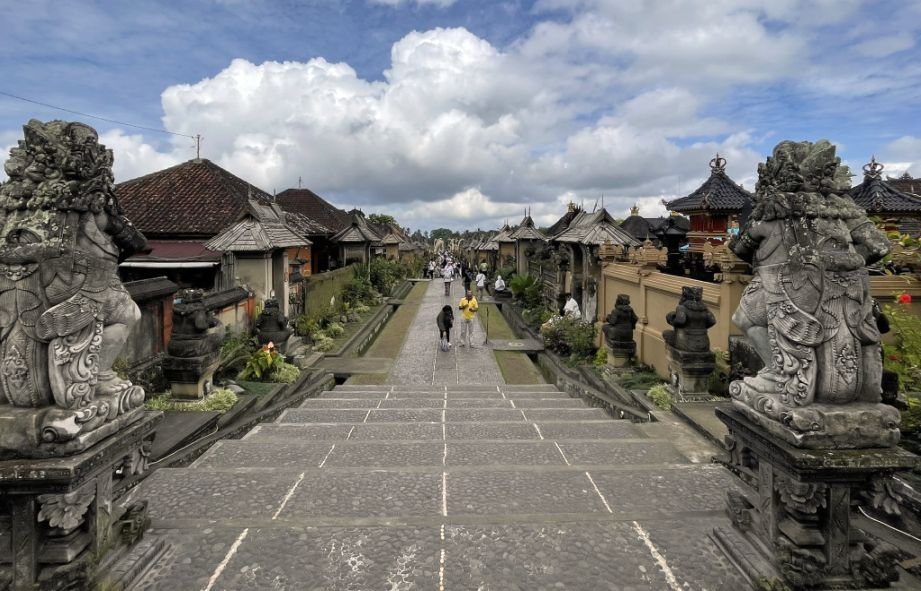
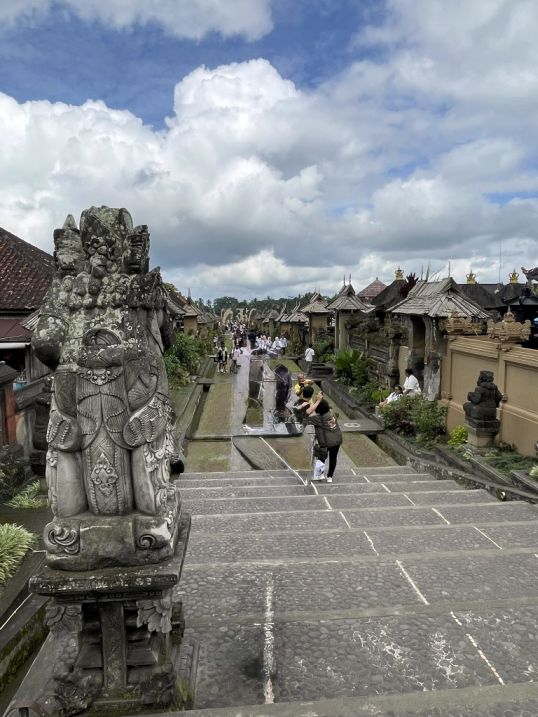
From there we are walking back down from the cemetery area into the heart of Penglipuran.
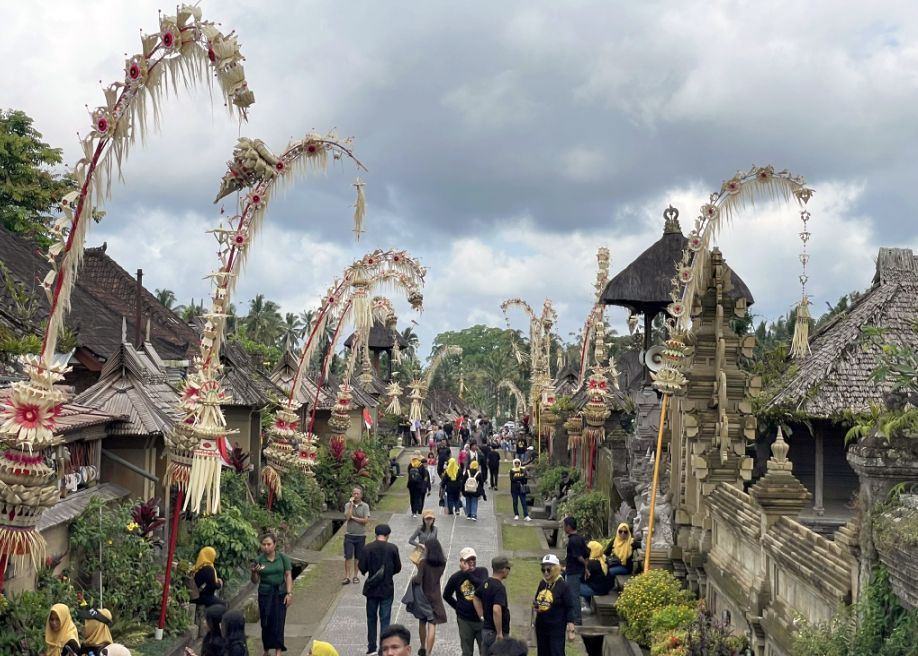
The heart of the village is lined with traditional houses , and is one of the village’s most iconic sights.
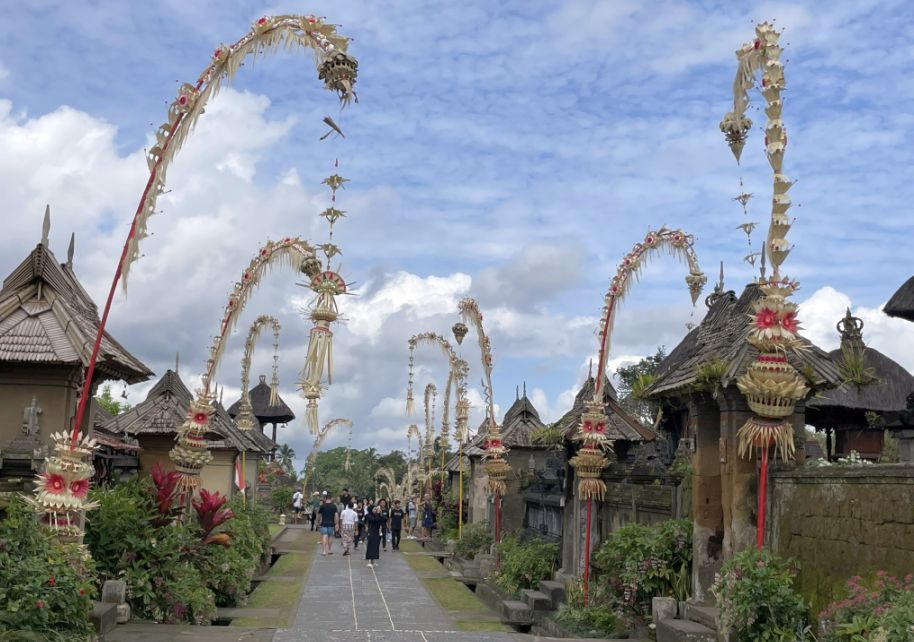
We moved from the heart of the village to further down where are a lot less people around.
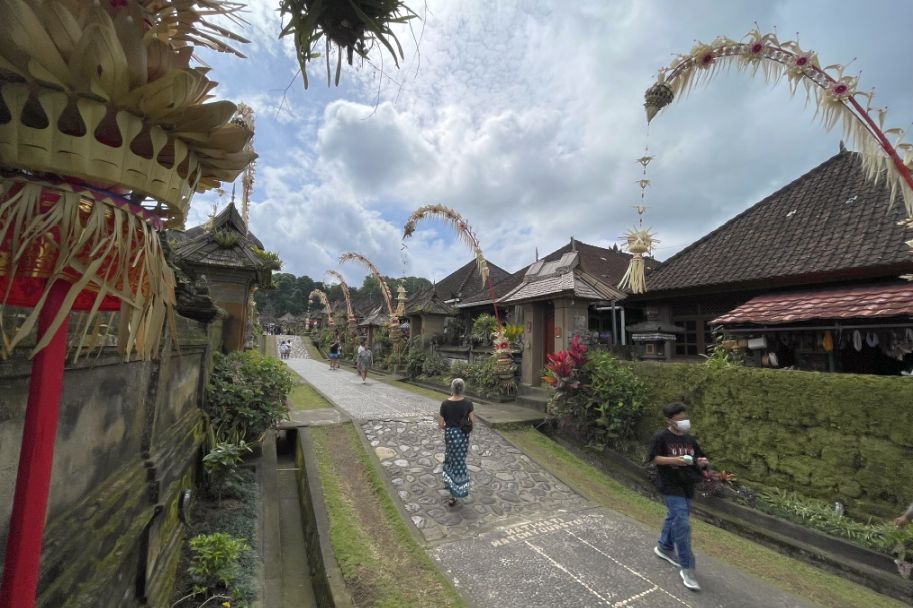
Each home sits behind a beautifully uniform angkul-angkul (traditional Balinese gate), creating a sense of harmony and order that Penglipuran is famous for.
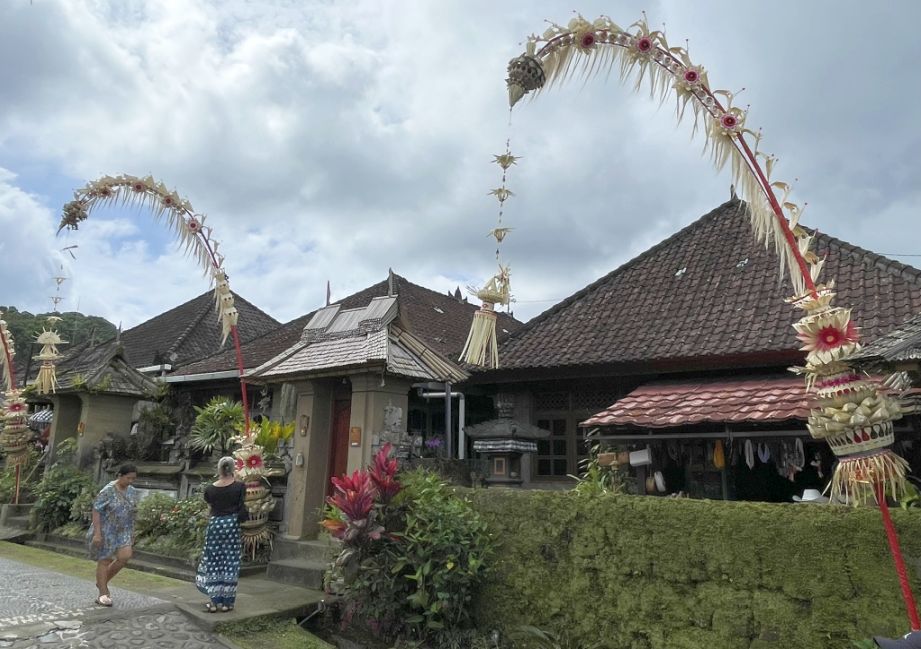
The neatness of the village isn’t just for show; it reflects the community’s commitment to purity, cooperation, and tradition.
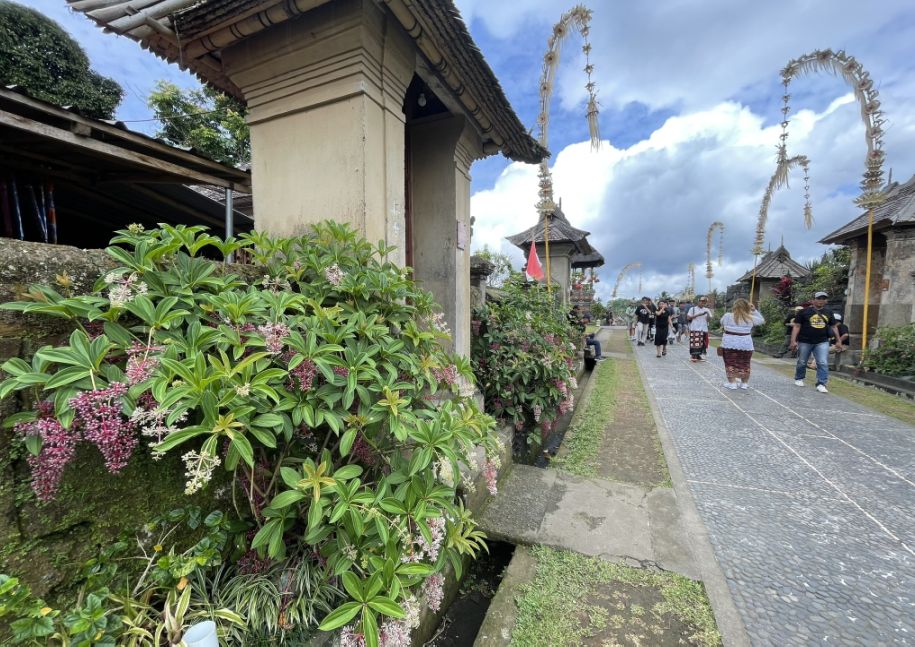
As we continued walking through Penglipuran Village, the care and pride the community takes in their surroundings becomes even more striking. Every house looks beautifully maintained, as if the residents have tended to their homes for generations, and they have. Beside each house, there is a narrow canal, allowing rainwater to flow away neatly, keeping the pathways clean and preventing flooding which is an important part of Balinese village design. The constant movement of water also keeps the area feeling cool and fresh.
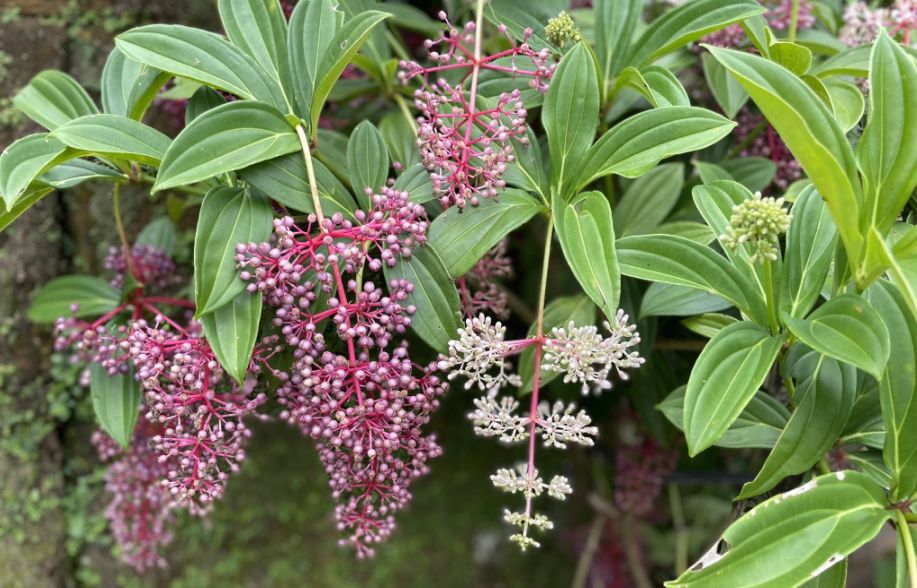
Beautiful flowers in the area.
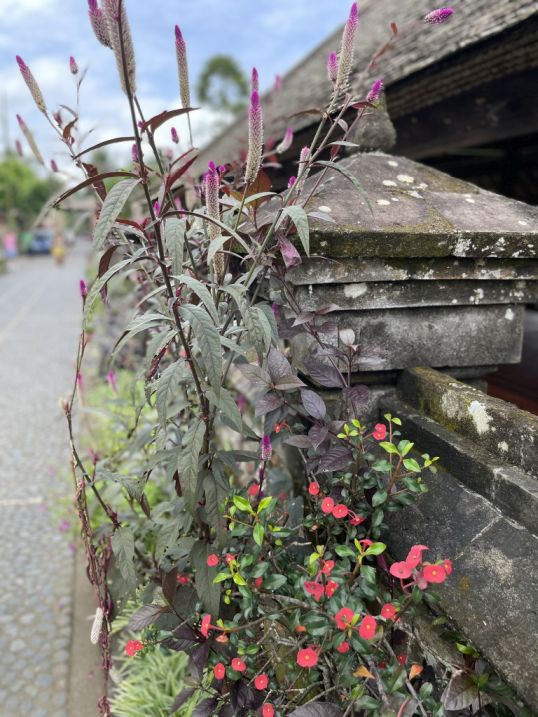 |
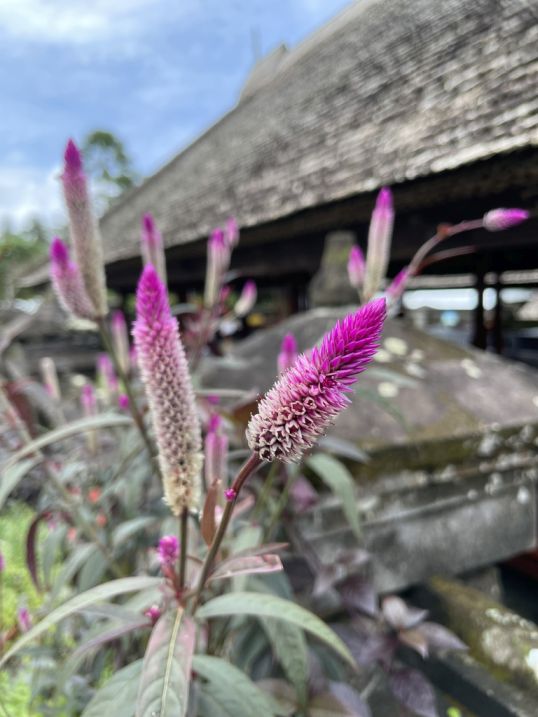 |
The flowers are really colorful and so pretty.
 |
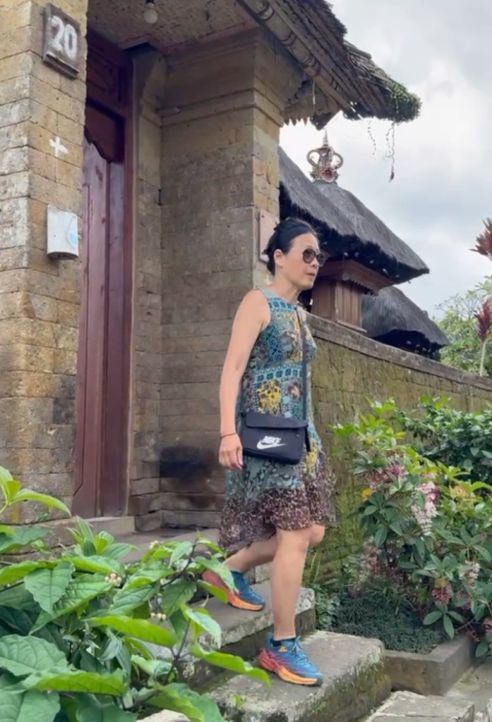 |
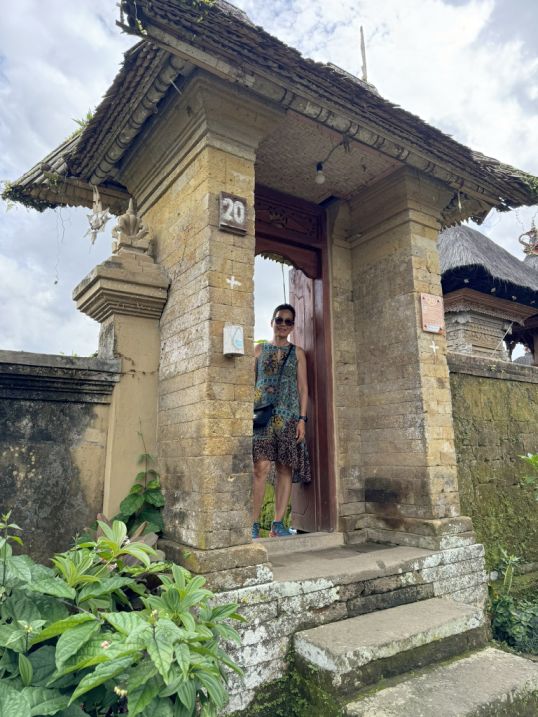
Stepping into the courtyard felt like being welcomed into someone’s home rather than a tourist spot. The space was simple but warm, open, clean, and framed with traditional Balinese architecture. I did not feel comfortable taking pictures inside of their house.
 |
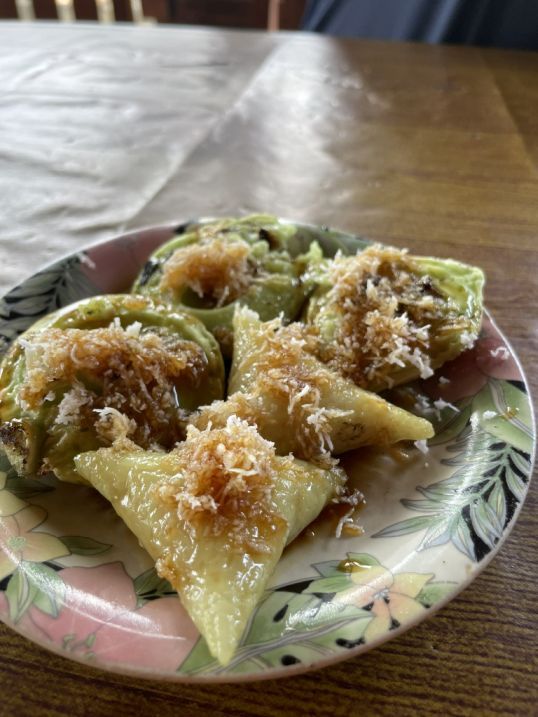 |
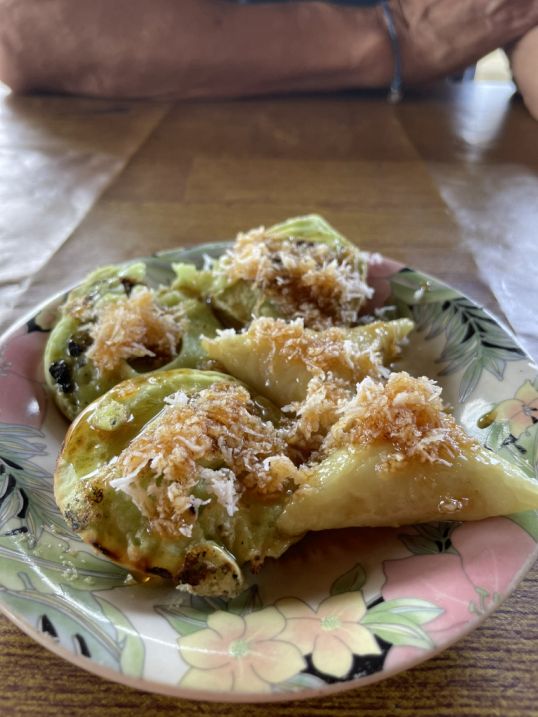
Right near the entrance, the homeowner had set up a small wooden table covered with freshly made traditional sweets, the kind families prepare for ceremonies or daily snacks.
Our guide helping us choose a triangle shaped sticky rice wrapped neatly in banana leaf, it had that soft, slightly warm texture. Inside, the rice was subtly sweet, and the mound of freshly shaved coconut on top added that perfect richness and aroma. We also ordered a round sticky rice with black beans.
The homeowner explained that these are indeed traditional Balinese desserts, simple, humble snacks made from ingredients grown locally: rice, coconut, beans, honey. They’re the same treats families serve during ceremonies, share with neighbors, or enjoy with afternoon tea.
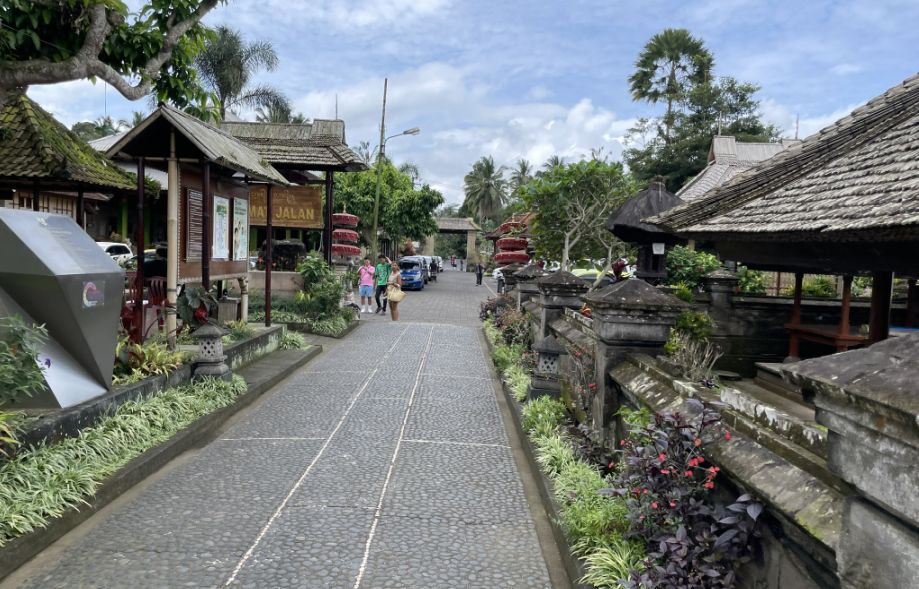
Walking here feels like stepping back in time. There is no power line, no modern clutter, just traditional architecture, bamboo, stone, and flowers. It is also incredible clean.

Lunch a Batur Sari Resto
 |
 |
Our tour guide took us to Batur Sari Resto for lunch. He told us the view is magnificent there. The restaurant has one of those classic Bali moments, the kind where the scenery completely steals the show, even if the food doesn’t quite measure up.
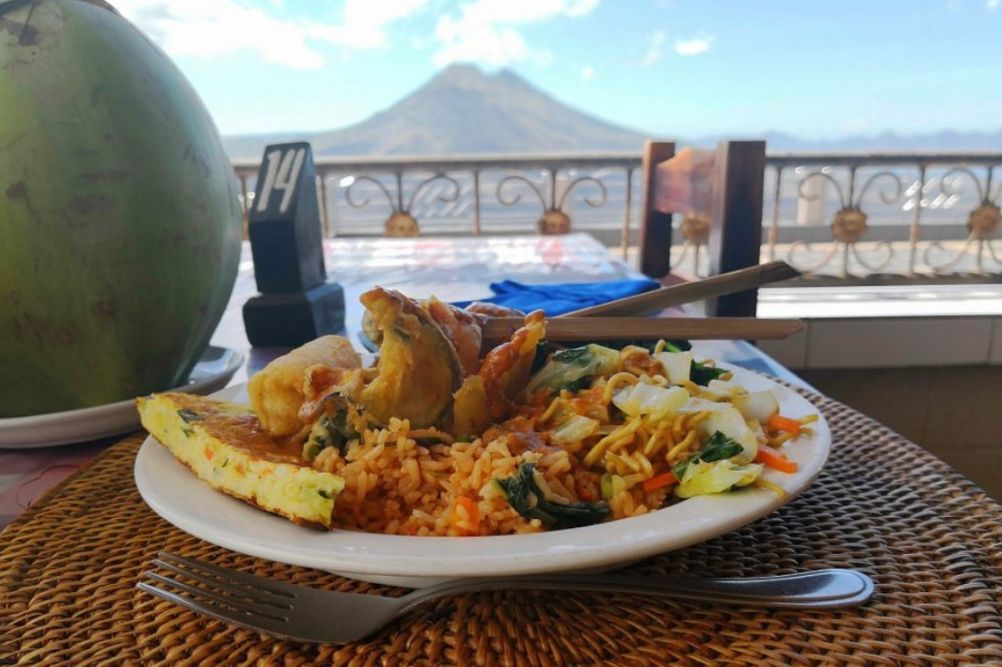
They served buffet style and the food is simply below average but the view makes up for it.
Sitting there with a plate you don’t really want but a view you can't stop staring at is an experience many visitors end up laughing about afterward.
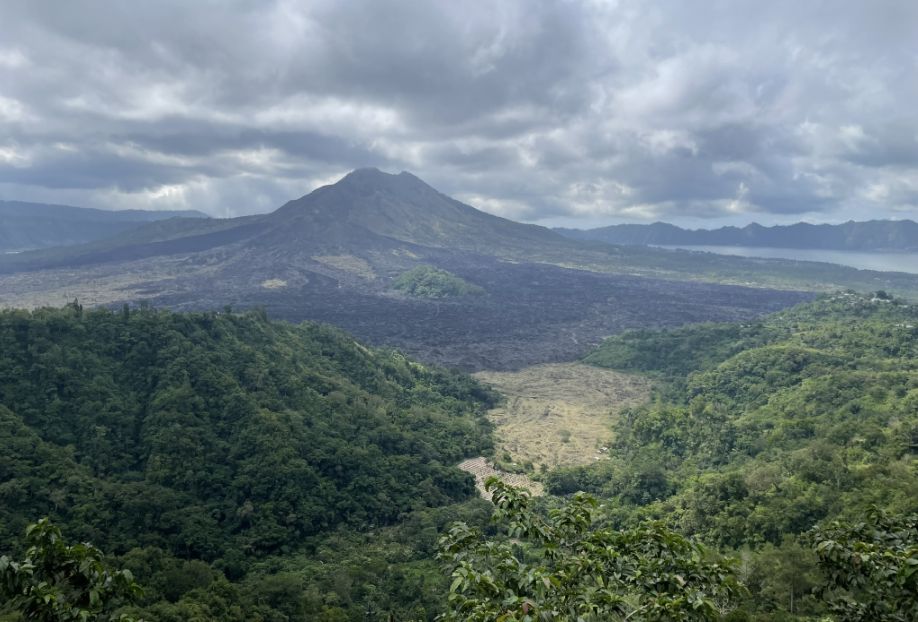
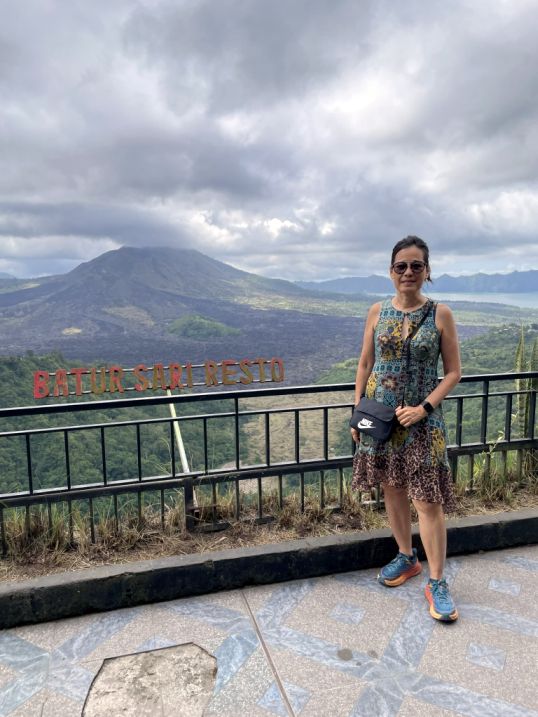
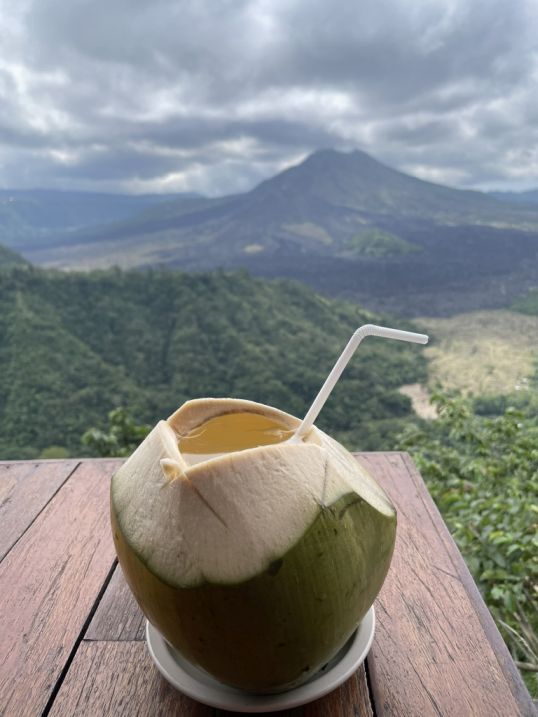
From here looking out it almost looks like a painting with Mount Batur looking absolutely majestic.
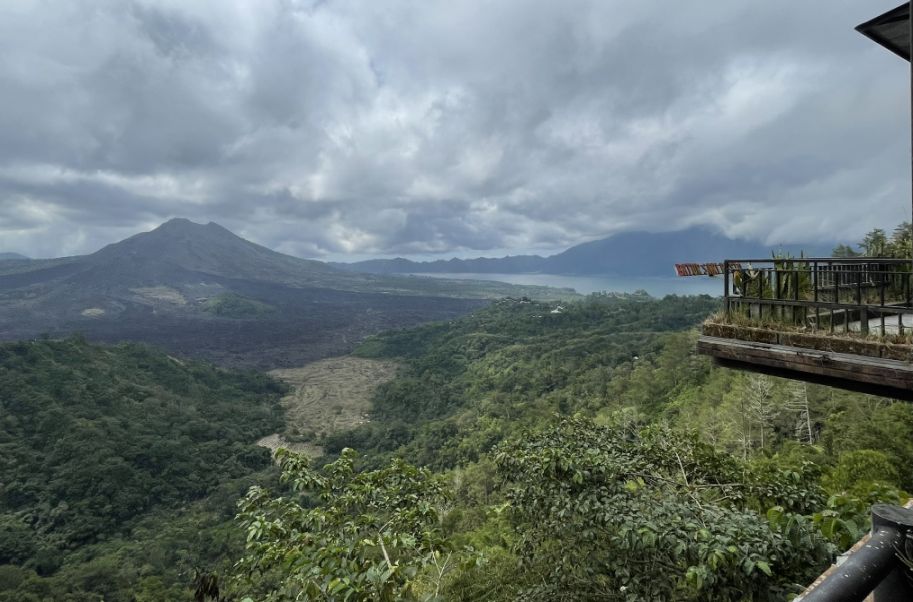
I am standing on one of the balcony and the panorama is incredible with Mount Batur rising sharply in the distance, its dark volcanic slopes stretching across the horizon.
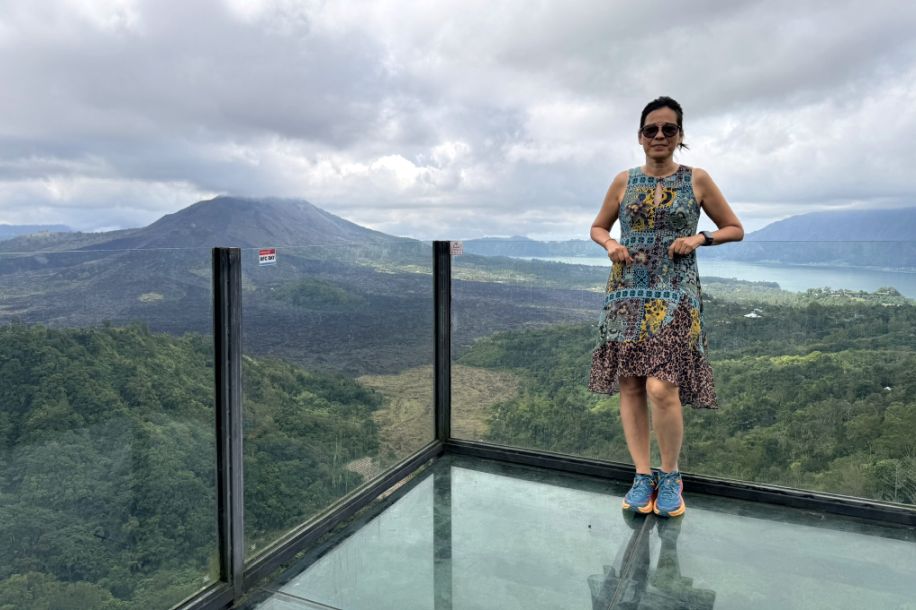
Beautiful view but not so beautiful meal. The restaurant itself is simple, and while the view is world-class, the food tends to be forgettable. But in a way, that contrast makes the stop memorable for the landscape, not the kitchen.
FuramaXclusive
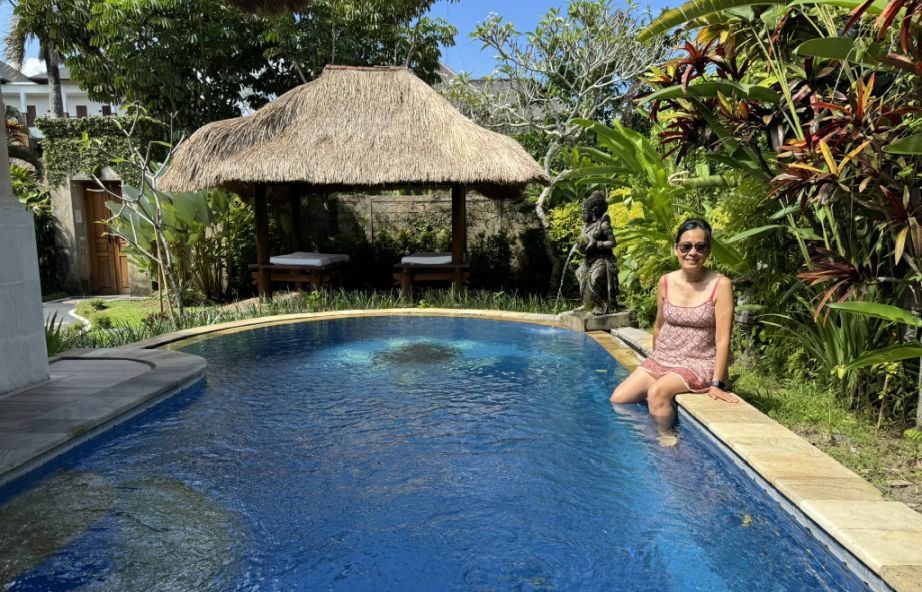
We returned to our villa after a full day of temples, villages, and mountain views. We just winds down and enjoy the pool.
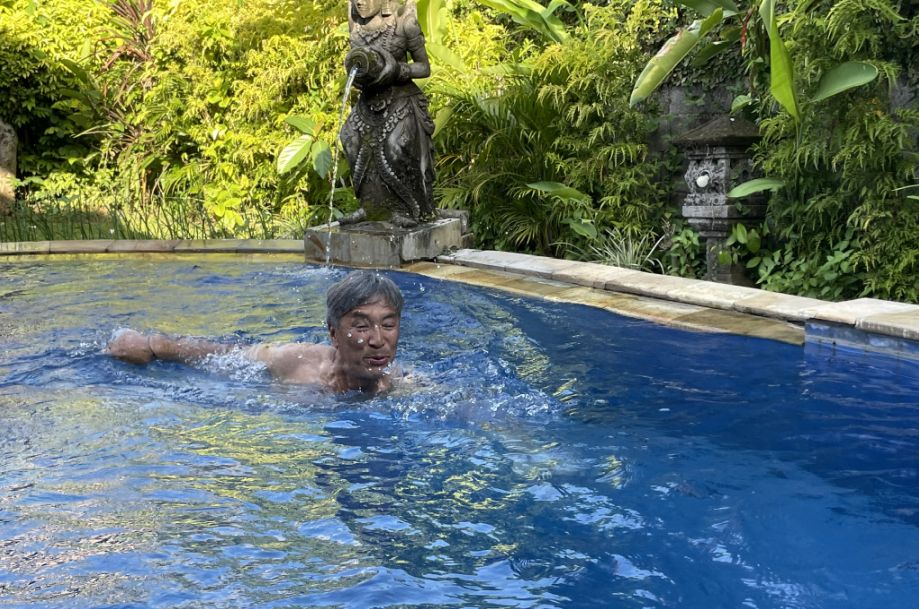
Hoa swam a few laps and we enjoyed a quiet time together.
 |
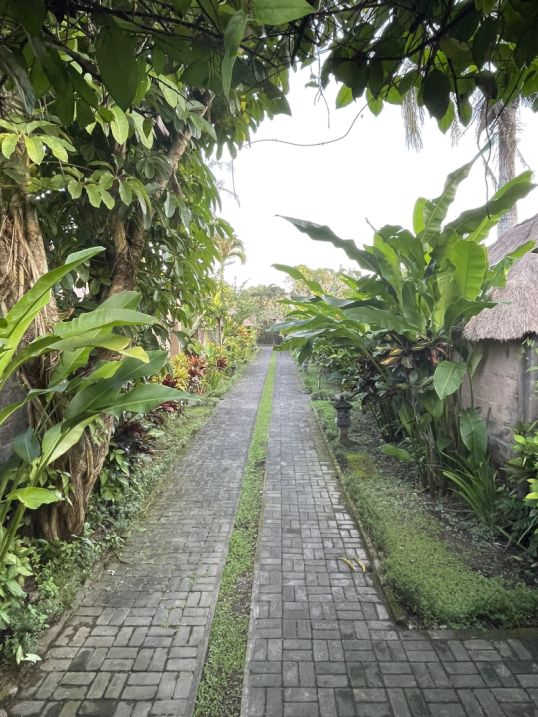 |
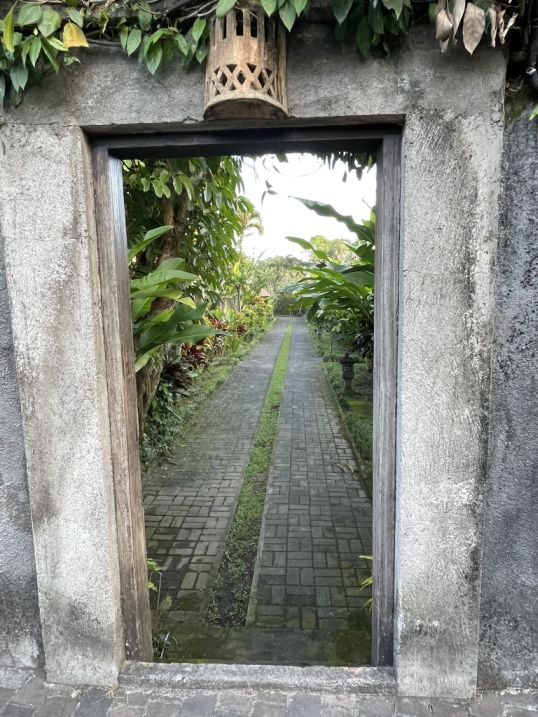
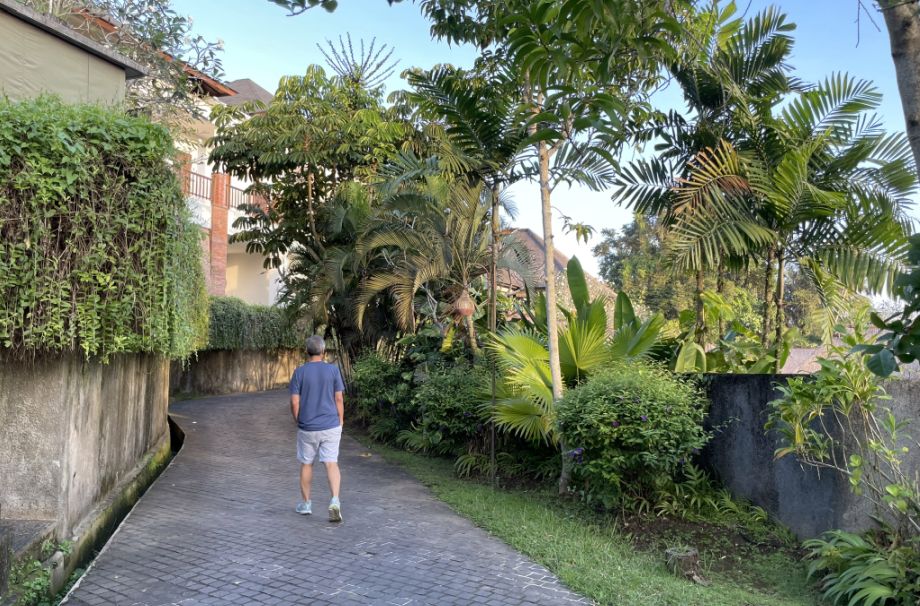
We are now strolling the property.
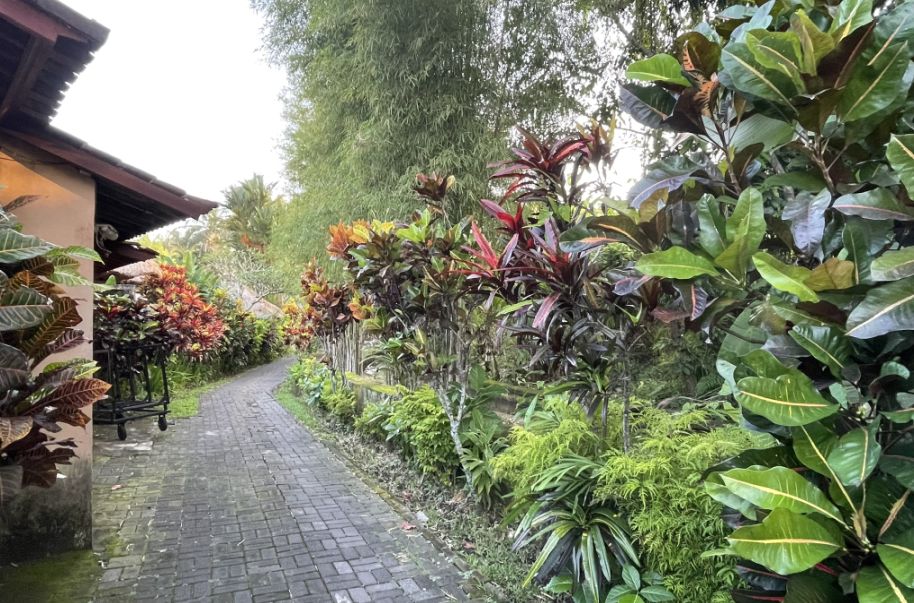
Walking around the resort, we get a sense of how lush and exotic the grounds are.
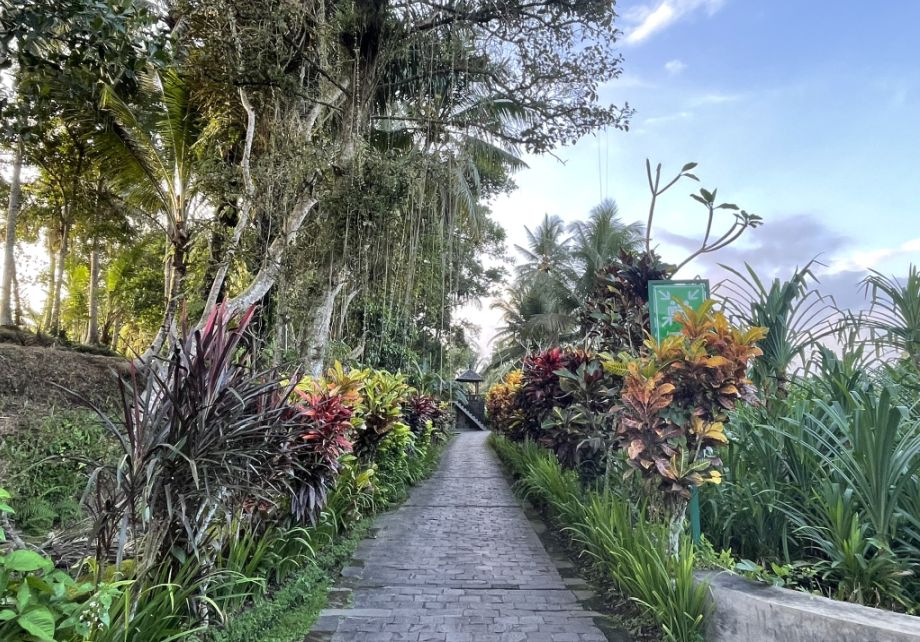
The pathways are lined with tropical plants, frangipani trees, and little pockets of garden that make the whole property feel like it’s tucked away in nature rather than just next to it.
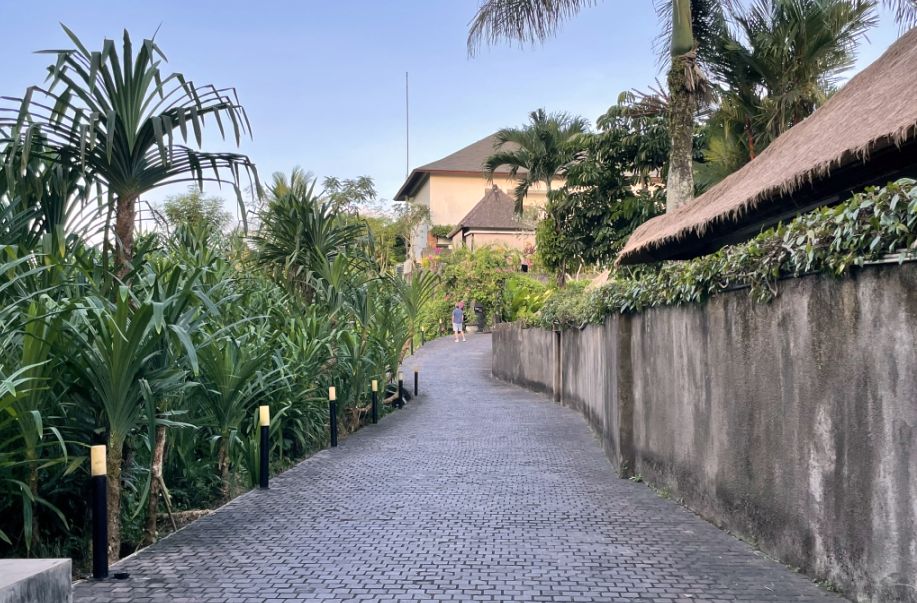
The resort is set next to the rice fields and we are just heading that way.
soft lighting, simple décor, and the comforting smell of broth simmering.
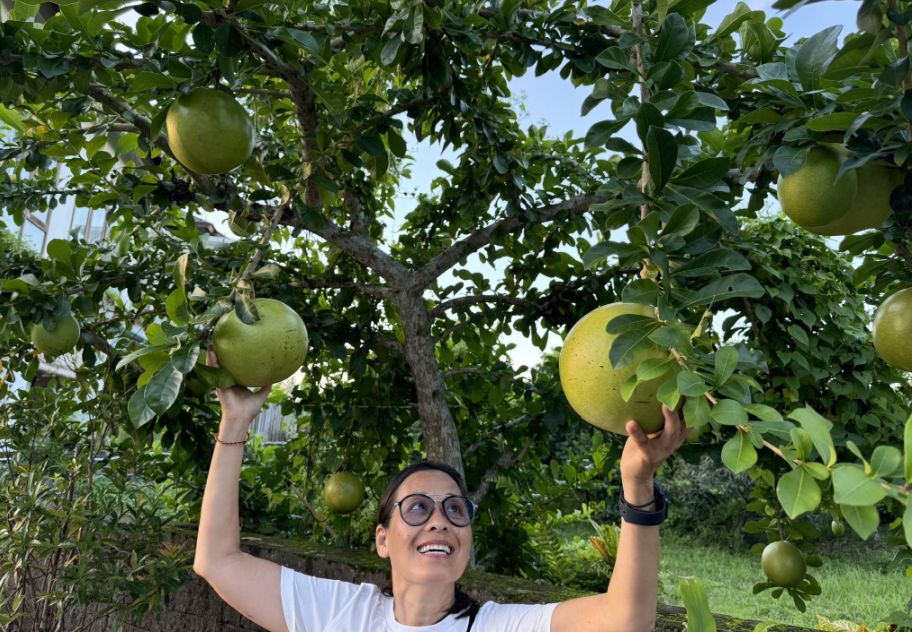
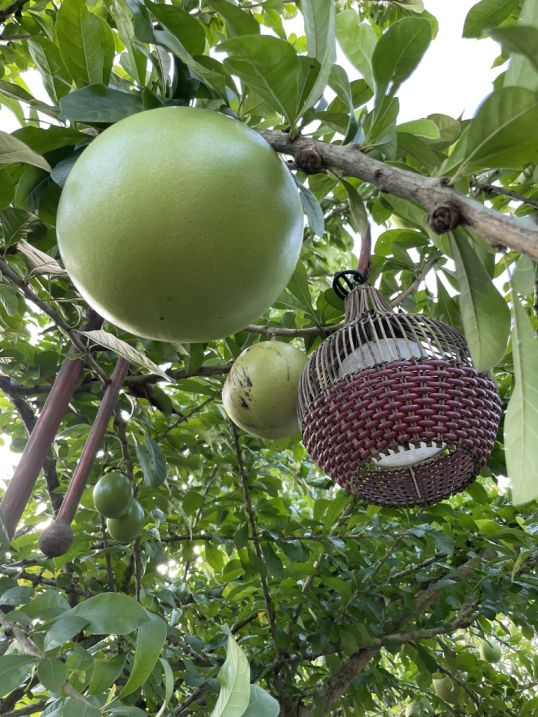
A Calabash tree at the resort. These trees are common in tropical Bali, and the fruits are large, round or oval, hanging directly from the trunk or branches. The shell Is the valuable Part is the main reason the fruit is grown. It’s used to make bowls, cups, ladles, and decorative containers.
 |
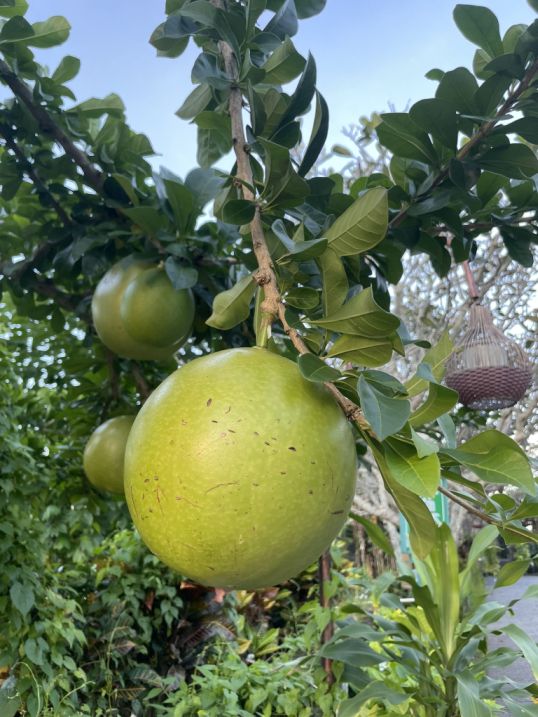 |
I never seen this tree before and was told that the fruit is not considered edible in its raw form. It is very bitter, sometimes mildly toxic when unprocessed. The pulp is used medicinally, often boiled and sweetened, it may be used for cough syrup or herbal remedies, but it is never eaten fresh.
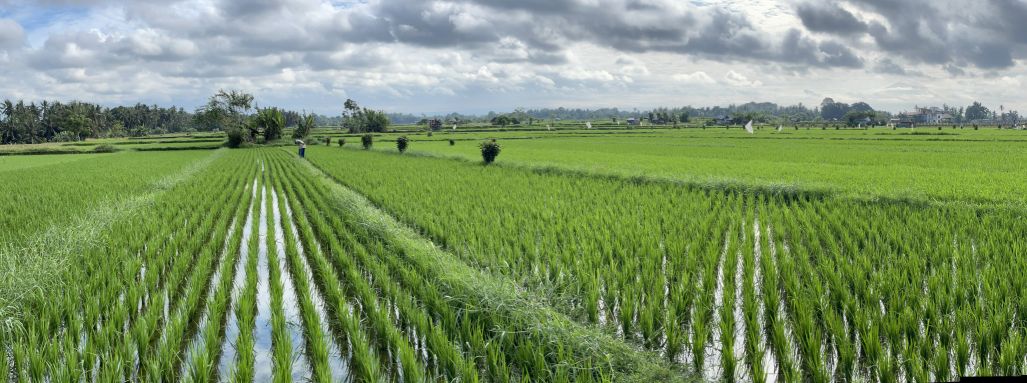
The moment we stepped out toward the rice field, the scenery shifted again into that iconic Balinese landscape.
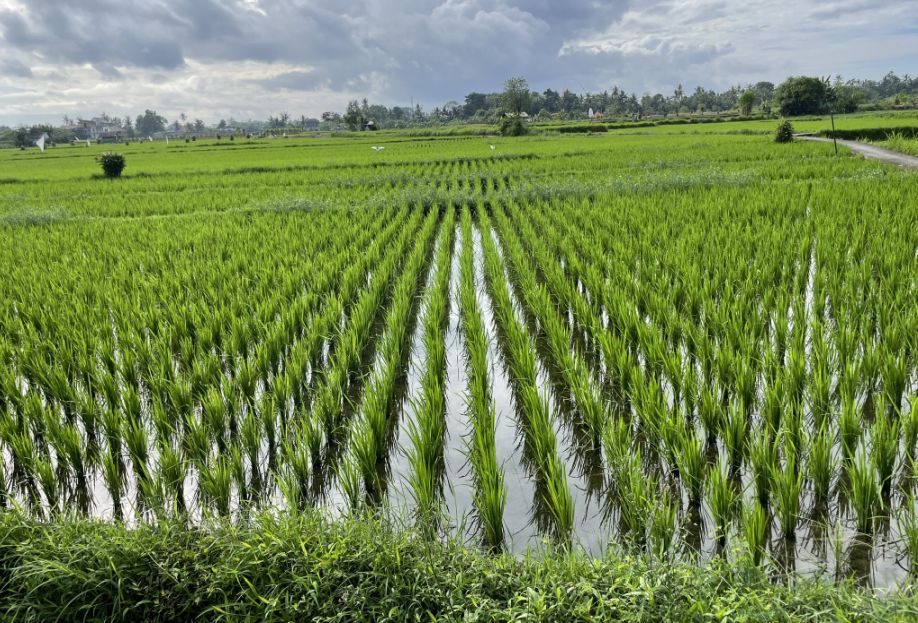
Bright green rice plants sitting in neat flooded rows, with shallow water glistening between the plants.
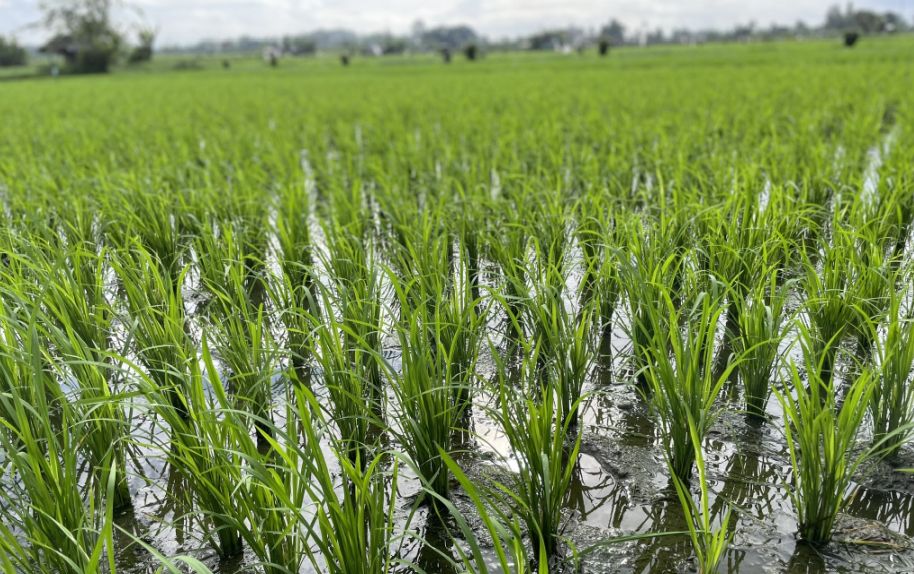
The horizon stretching out quietly, giving you that timeless countryside feeling. It’s such a peaceful contrast to the commercial bustle of places like Tegalalang—real farming land, real birds, real life happening slowly.
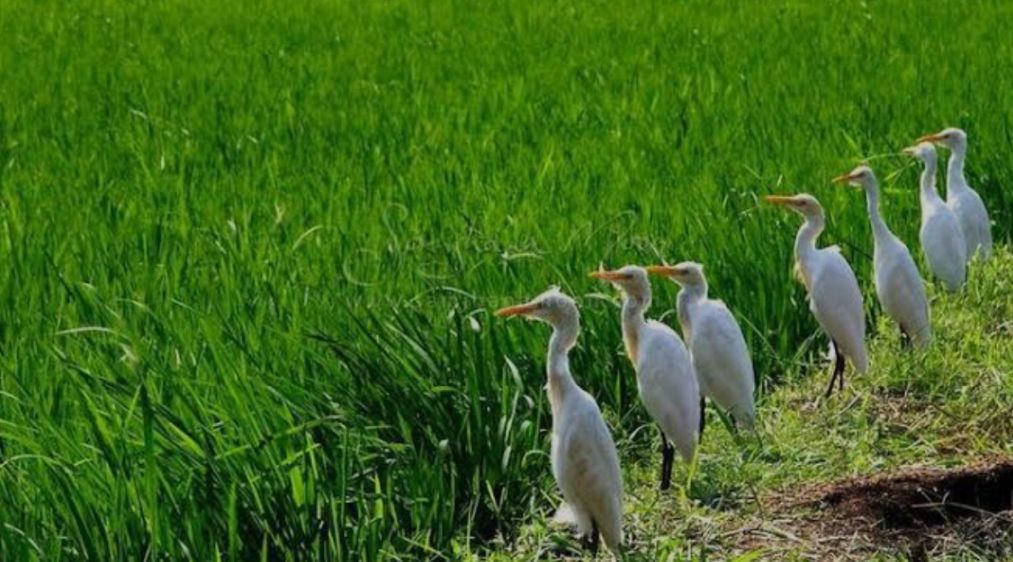
White herons and egrets wandering gracefully through the field. These birds generally do not eat the rice plants. Instead, they hunt for insects, worms, snails, and small pest that harm the young rice shoots. Many of the birds you see in Balinese rice fields are welcome. Their presence helps control pests naturally, reducing the need for chemicals. Farmers see them as small partners in the ecosystem.
NEXT... Day 11-Downtown Ubud